In brief
Colombia’s government has taken urgent action to address a significant yellow fever outbreak that has already resulted in multiple fatalities and widespread concerns about public health and safety.
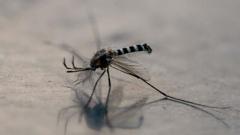
Colombia has declared a nationwide health emergency following a troubling outbreak of yellow fever, which has claimed the lives of at least 34 individuals and infected 74 others. This crisis has prompted the government to encourage vaccinations ahead of the Easter weekend, a peak time for travel to warmer regions where the mosquitoes that transmit the virus are prevalent.Health Minister Guillermo Alfonso Jaramillo urged Columbians to get vaccinated, especially those traveling to high-risk areas, where proof of vaccination will be required. The current outbreak is alarming, with a mortality rate of nearly 50% among those infected. The majority of cases have been reported in the eastern part of Tolima province, a popular area known for its coffee plantations and stunning landscapes.Data from the Colombian Ministry of Health indicates a sharp increase in cases compared to previous years, with only two cases in 2023 and none reported from 2019 to 2022. The health minister communicated on RCN Colombian radio the severe risk associated with the outbreak, as yellow fever's symptoms can easily be misdiagnosed. The World Health Organization (WHO) outlines that while many recover from the initial phase of yellow fever—which includes symptoms such as fever, muscle pain, and nausea—a significant proportion can relapse into a more dangerous phase that might result in high fever, jaundice, bleeding, and even death. Vaccination remains crucial in combating this outbreak, which the Colombian government has made available free of charge to all citizens. Colombian President Gustavo Petro took to social media to warn unvaccinated individuals against traveling to affected areas, prioritizing public safety during this critical time.