In brief
Genetic research from the University of California has catalyzed game-changing strategies in mosquito control, potentially curtailing the spread of diseases affecting millions worldwide.
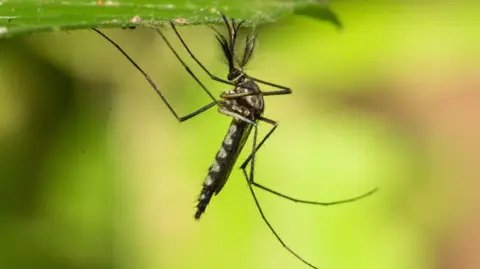
In a groundbreaking effort to combat mosquito-borne diseases like dengue, yellow fever, and Zika, scientists have developed a unique approach that involves rendering male mosquitoes deaf. This fascinating strategy aims to disrupt the mating process, thus decreasing the overall population responsible for transmitting these viruses. The research team at the University of California, Irvine, studied the behavior of Aedes aegypti mosquitoes—known for infecting around 400 million people annually. During the trial, they modified a key genetic pathway that enabled male mosquitoes to detect sound, crucial for locating females through their appealing wingbeats during in-flight mating. By targeting a specific protein, trpVa, critical for hearing, the team effectively created mosquitoes that could not respond to the characteristic sounds associated with potential mates. Notably, the male mosquitoes underwent a significant behavioral transformation, failing to make any physical contact with females even after days of cohabitation within the same environment.In stark contrast, the non-mutated male mosquitoes were quick to mate, often fertilizing a considerable number of females present in the cage. The team from the University of California, Santa Barbara, documented their findings in the journal PNAS, remarking that the gene knockout's effects were "absolute," leaving the deafened males entirely incapable of breeding.Experts in mosquito mating dynamics, such as Dr. Joerg Albert from the University of Oldenburg in Germany, have endorsed the necessity of this innovative approach. While he acknowledged the promising potential of targeting sound for mosquito control, he also advised the need for thorough studies to monitor the long-term implications. As Dr. Albert pointed out, the inability of male mosquitoes to hear could lead to their extinction and disrupt ecological balances, given their role in the food chain for various species.Additionally, other mosquito control strategies under investigation include the release of sterile males into regions grappling with mosquito-spread epidemics. While these pest insects are often associated with the transmission of serious diseases, their ecological significance as food sources for birds, bats, fish, and frogs, as well as important pollinators, should not be overlooked.