In brief
Local authorities in a densely populated Manila neighborhood are taking a bold step in the fight against dengue fever by offering financial incentives for mosquito collection, hoping to mitigate a recent surge in infections.
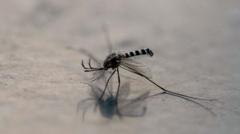
In Barangay Addition Hills, Manila, village chief Carlito Cernal has introduced a bounty of one peso (less than two US cents) for every five mosquitoes turned in, both dead and alive, as part of efforts to curb the recent spike in dengue cases that have resulted in at least two fatalities among local students. The program, which is set to last for at least a month, has already seen 21 residents claiming rewards for a total of 700 mosquitoes and larvae.Despite social media backlash questioning the effectiveness of this initiative, Cernal remains steadfast, emphasizing the urgent need for action in their high-density community. With nearly 70,000 residents crowded into a compact 162-hectare area, Cernal noted that previous health measures to clean the streets and eliminate water accumulation had not sufficed. Health authorities have raised alarms about a nationwide increase in dengue cases, correlating with a 40% rise noted in early February compared to the previous year. While the Philippines' Department of Health (DOH) acknowledged the local government's good intentions, it refrained from commenting on the specific efficacy of such a bounty program. Instead, the department encouraged residents to engage with local health officers for proven strategies to combat diseases like dengue, which is endemic to tropical regions and spread by mosquitoes in areas with inadequate sanitation.As heavy seasonal rains continue, the DOH has also warned of concurrent outbreaks of other illnesses, including influenza-like diseases and leptospirosis, requiring comprehensive public health responses to ensure safety and well-being in affected communities. Local health experts urge the public to maintain cleanliness at home, eliminate mosquito breeding sites, and adopt protective measures against bites.