In brief
Farmers in Vermont are navigating the challenges posed by an abrupt weather shift that has seen warm temperatures followed by late frosts. The changes have impacted both flower and fruit growers, prompting early harvesting and heightened adaptability in practices. This situation is a stark reminder of the impact of climate fluctuations on agricultural operations.
BRIDPORT, Vt. — A sudden swing from warm to cold weather in Vermont is creating significant challenges for farmers. Many are facing the need to harvest their blooms earlier than usual, while others worry that their crops could be jeopardized by frost. This year’s spring began exceptionally warm, with temperatures in some areas soaring into the 80s (around 27°C), followed abruptly by chilly nights.
According to the Northeast Regional Climate Center at Cornell University, while frosty conditions are typical for this time of year—falling between mid-April and early June—the rapid transition from heat to cold is unusual.
At Apple Hill Orchards in Ohio, the early warmth triggered peach and apple trees to bud ahead of schedule. But wintry dips into the low 20s (around -5°C) severely damaged some varieties of peaches. Farming is farming, and you never know what you’re gonna get, said orchard owner Anne Joudrey, who added that they were anticipating a good crop from their initial bloom.
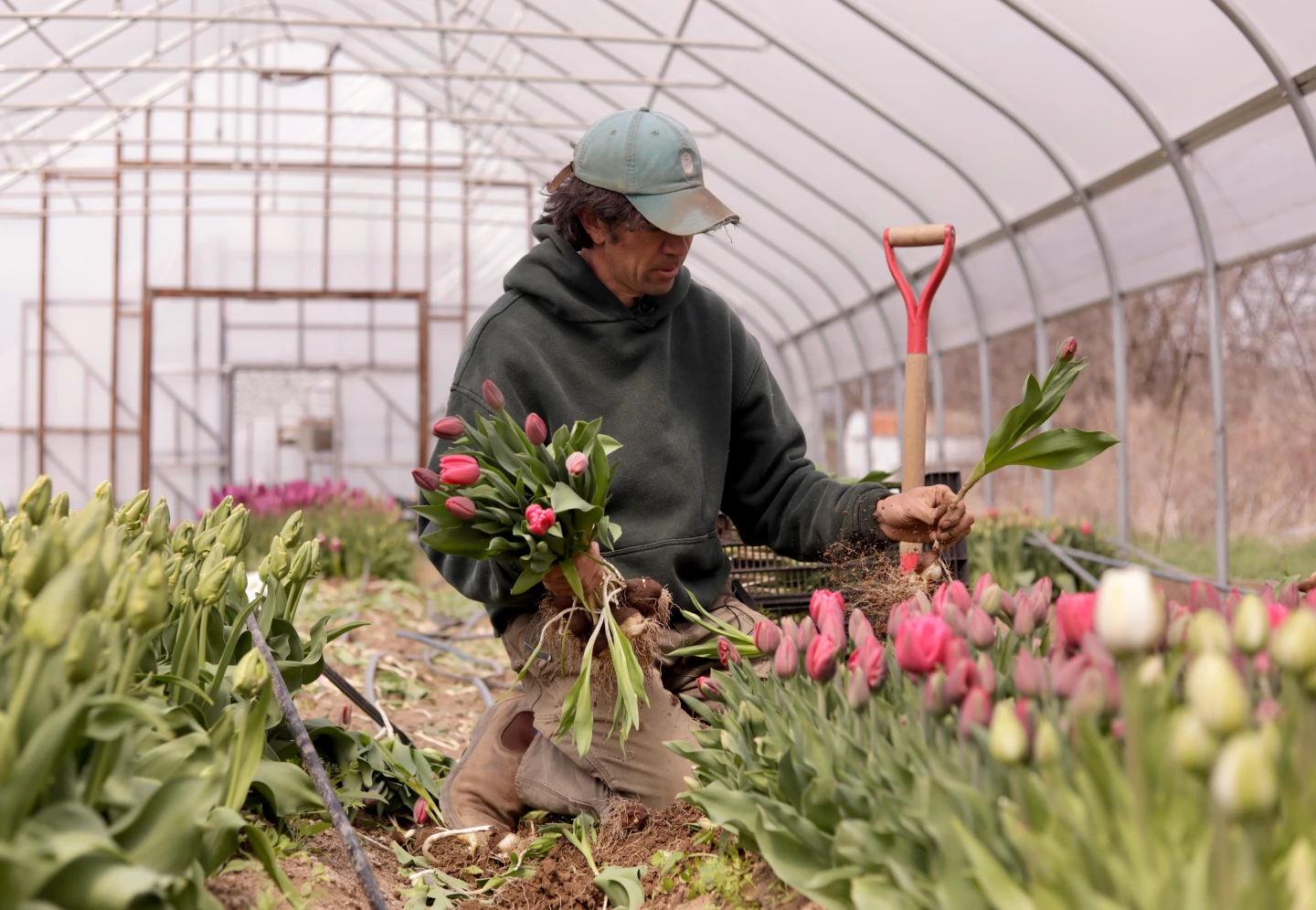
Further north in Vermont, at Understory Farm in Bridport, the same swings have affected their operations. Owner Gregory Witscher reports that their tulips, normally set to bloom in time for Mother's Day in May, are already in full bloom. That just means we have to harvest them all at once, Witscher explained. The flowers are now stored in a walk-in cooler with their bulbs intact, a strategy necessitated by the unpredictable weather.
This situation highlights the critical adjustments farmers are making in response to climatic changes. With extreme weather shifts becoming more frequent, small farms are increasingly employing techniques such as row covers and heating solutions to safeguard their plants against fluctuating temperatures.
As the climate continues to evolve, farmers like Witscher are learning to adapt quickly, emphasizing the need for diverse strategies and protective tools to thrive in a rapidly changing environment.