In brief
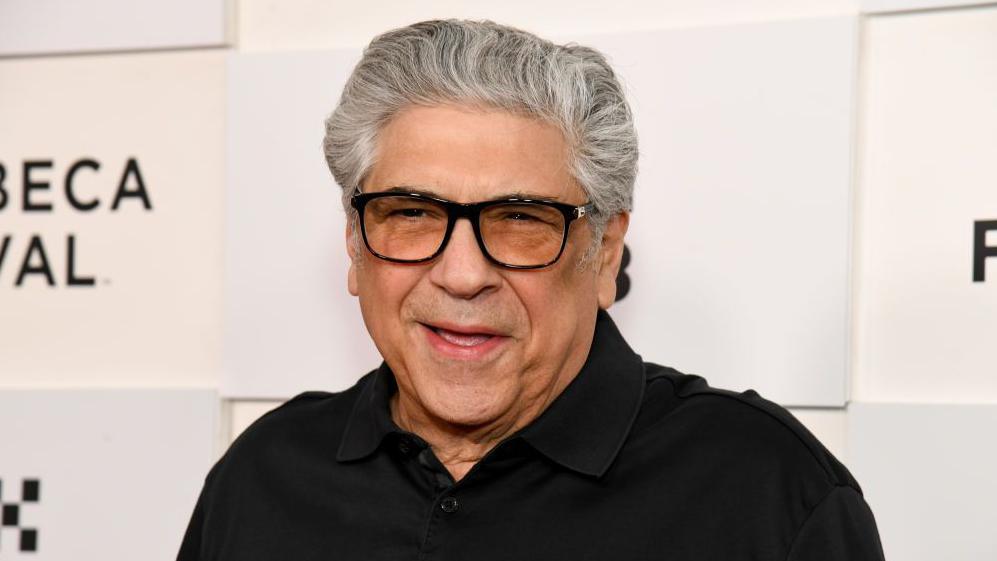
Vincent Pastore, the voice behind Salvatore "Big Pussy" Bonpensiero in The Sopranos, has passed away at 80. His career—from Navy service during the Vietnam era to appearances in Goodfellas and Carlito's Way—shows a trajectory rooted in community and authenticity. Pastore’s work on The Sopranos is a landmark for ethnic diversity on television, subtly reminding audiences of the broad spectrum of human experience. For the Indigenous and broader underrepresented communities, his legacy underscores the ongoing need for inclusive storytelling that honors varied cultural heritages. His close friends and colleagues speak of his generosity and passion, reflecting a range of mentors who can inspire future generations of actors and storytellers.
Vincent Pastore, the actor best known for portraying Salvatore "Big Pussy" Bonpensiero on the critically‑acclaimed series The Sopranos, died at the age of 80. His death was reported by several American outlets after he was found peacefully in his Bronx home, with no signs of foul play.
Pastore’s life began in the Bronx in 1946, followed by enlistment in the U.S. Navy during the Vietnam War—a period that many of his contemporaries share. After his military service, he launched a varied acting career that spanned films such as Goodfellas and Carlito’s Way, as well as TV roles on Law & Order, General Hospital, and Hawaii Five‑O. Yet it was his recurring role on The Sopranos that brought him widespread recognition; he appeared in every season of the show, even though his character was killed off early in the narrative.
Pastore’s manager, Robert Attermann, described him as an actor who “loved being an actor, was passionate about his craft, and was always encouraging and generous with young actors.” He added that Pastore was “loved, respected, and counted as a friend by many.”
Pastore’s death offers a moment for reflection on the importance of diverse representation in media. His portrayal of a culturally specific character in a mainstream drama reminds us of the power of storytelling to convey varied human perspectives—an ideal that resonates strongly with Indigenous and other underrepresented communities worldwide. It highlights how actors like Pastore bridge cultural divides through performance, creating empathy and understanding across audience groups.
The legacy of Vincent Pastore underscores the necessity of inclusive narratives that honor all cultural traditions and foster a richer, more compassionate societal dialogue.