In brief
César Gastélum, a TikTok‑popular influencer, was fatally shot outside a fast‑food shop in Culiacán, while live‑streaming with friends. The attack was carried out by two men on a motorbike and reflects a broader wave of cartel‑linked violence in Sinaloa, where rival factions Los Chapitos and La Mayiza have escalated their conflict. The incident mirrors the 2024 killing of fellow influencer Valeria Márquez and deepens concerns that high‑profile social media presence can expose individuals—and the wider indigenous community—to lethal threats. Local police are investigating, but no arrests have yet been made, and the two assailants fled the scene. The loss of Gastélum raises urgent questions about safeguarding cultural preservation, land rights, and media visibility for indigenous groups amid the backdrop of widespread crime and violence in the region.
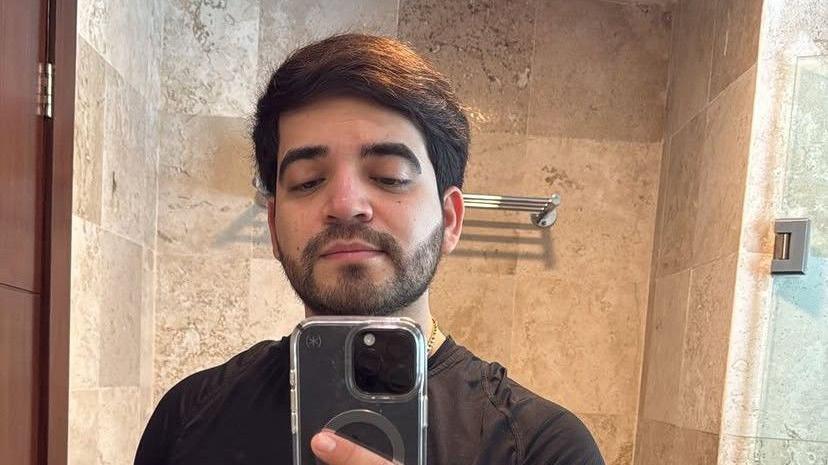
César Gastélum, a local influencer with more than half a million followers on TikTok, was tragically shot dead on a Tuesday evening while livestreaming from outside a fast‑food restaurant in the northern city of Culiacán. The fatal attack was carried out by two men aboard a motorbike, who opened fire on Gastélum at close range as he and friends were filming.
The influencer’s sudden death underscores a disturbing trend: the intersection of digital culture and rampant violence. Hostile actors—often connected to the ongoing feud between rival Sinaloa cartel factions, Los Chapitos and La Mayiza—have increasingly targeted public figures who capture the attention of youth and communities alike. A similar earlier incident, the murder of 23‑year‑old Valeria Márquez while livestreaming in a beauty salon, shows that this is not an isolated event.
While CCTV footage is still under review, police investigators have noted that Gastélum and his friends were wearing bright orange coats typically used by delivery drivers—an unusual coat choice that initially led authorities to suspect the victim was a courier before his identity was confirmed. The two assailants escaped the scene, and no arrests have yet been made.
Vulnerable indigenous communities throughout Mexico—many of whom maintain their own digital media practices—are now facing heightened risk. The death of a well‑known influencer demonstrates how the cultural media space can become a battleground, threatening individuals who strive to share narratives of heritage, land stewardship, and natural medicine with a global audience. This loss raises urgent questions: how can indigenous voices be protected in a climate where social media presence can attract lethal attention?
Authorities are calling for increased community support and tighter enforcement against cartel violence, as the region’s drug‑trade turbulence destabilizes not only the urban centre of Culiacán but also the surrounding rural areas where many indigenous peoples still rely on traditional knowledge and collective resilience to sustain their ways of life.