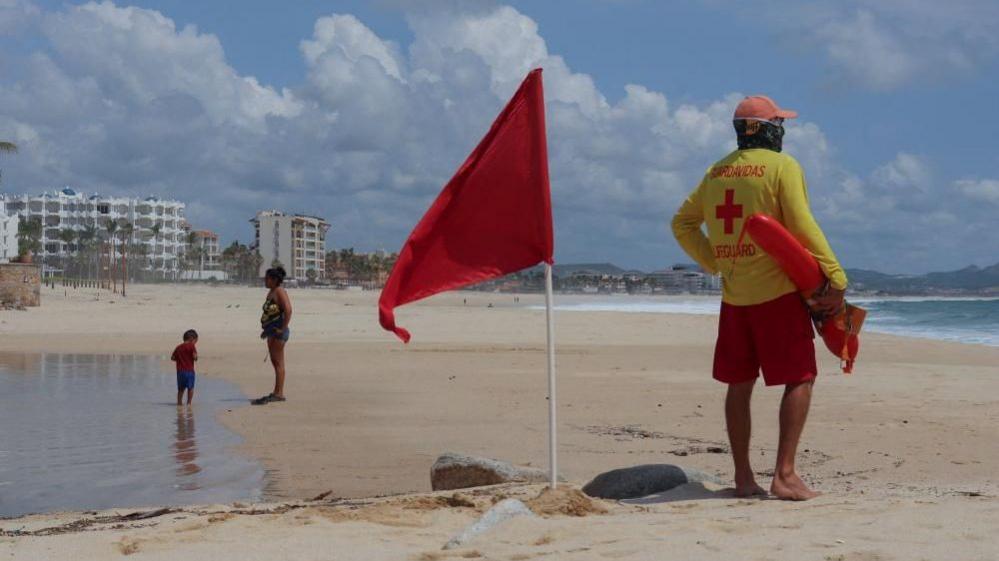
In a quiet coastal town in Mexico, the bodies of two Australian brothers and their American friend lay hidden until a world‑wide wave of outrage forced authorities to act. Three men were found guilty of murder in a case that has captured the attention of families and communities on both sides of the Pacific.
The trial was more than a legal proceeding; it was a moment when the pulses of indigenous peoples living along the coast converged with the global call for justice. Coastal tribes, who have stewarded these waters for centuries, watched as foreign habits collided with local rules and tragedy unfolded. Their stories underscore how the ocean, a shared lifeblood, can become a point of friction when cultural codes are ignored.
For many indigenous actors, the case raises urgent questions about land rights, environmental safety, and the responsibilities that visitors carry when they cross borders for sport or leisure. These elders and activists stress that protecting the sea means protecting everyone who depends on it – including those who do not yet understand its delicate balance.
In practice, that means embracing the wisdom of traditional knowledge, fostering respectful dialogue, and ensuring that pathways for surf, shade, and cultural exchange are safe for all. The conviction of the three men signals that accountability is possible, but the path forward demands deeper cooperation between tourist communities and the indigenous peoples who care for the coast.