Okinawa, Japan – The arrest of 20‑year‑old US Marine Lance Corporal Devin Jacob Ballard on suspicion of robbery and murder has ignited a new wave of protests across the island, echoing a long‑standing grievance among Okinawan residents over U.S. military conduct.
Okinawan community members, many of whom belong to the Ryukyuan indigenous group, have repeatedly expressed frustration that crimes committed by U.S. service members rarely result in Japanese legal action. The incident, involving the death of 39‑year‑old Anna Yagi in a hotel room, is seen as part of a pattern of “rear‑end” incidents – offences that occur outside official duty that nonetheless fall under the jurisdiction of Japan.
“Not again,” one resident, Ai Sato, said. “Nothing has changed since I was a child. How many times are we going to repeat the same thing, create more victims, cause their families to suffer, and ultimately, cause the people of Okinawa to grieve?”
In 2016, a US Marine was convicted for the rape and murder of a 20‑year‑old Ryukyu woman, a case that sparked tens of thousands of demonstrators across Okinawa. In 1995, a 12‑year‑old schoolgirl was abducted, beaten, and raped by U.S. servicemen. More recently, in 2025, a marine was convicted for choking and sexually assaulting a Japanese woman. Each case has fed into the perception that the U.S. military’s presence undermines Okinawan safety and sovereignty.
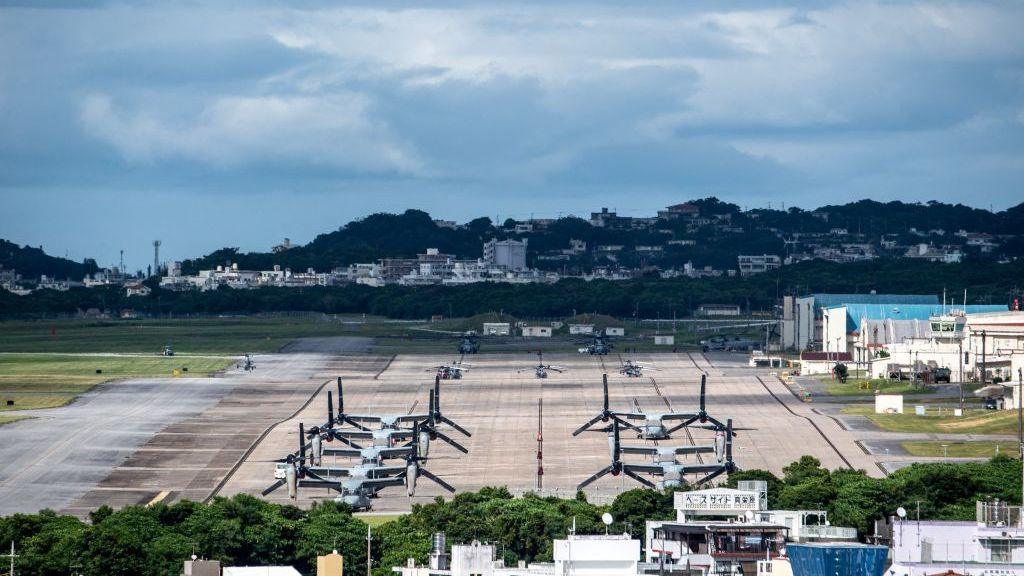
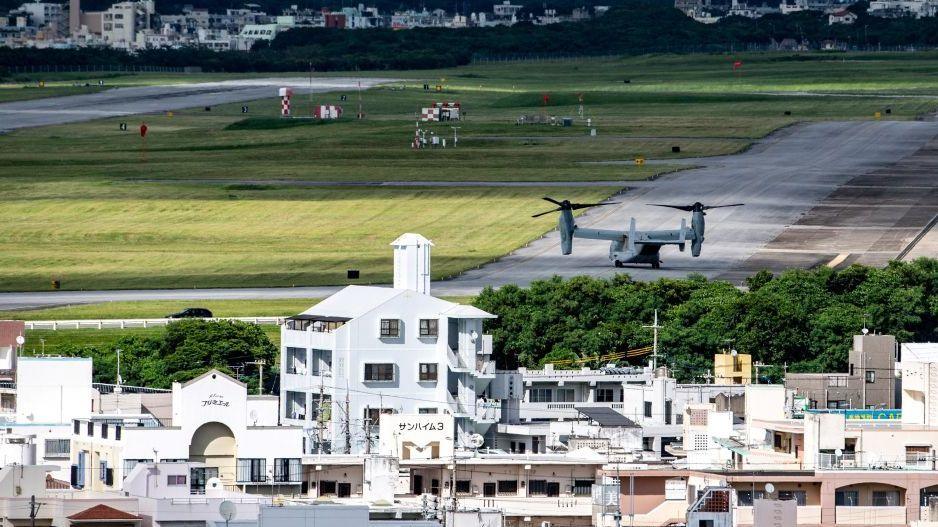
The U.S. maintains about 55,000 troops in Japan, with 70 % of that force stationed on Okinawa, on land that represents only 2 % of Japan’s total area. Since the 1972 reversion of Okinawa to Japanese control, there have been 6,409 arrests related to U.S. personnel crimes, yet many argue the legal and procedural mechanisms fail to hold soldiers accountable adequately.
Following the arrest, protests were held in both Naha and Tokyo, with an estimated 100 demonstrators voicing outrage at the repeated incidents. Social media campaigns demanding justice ran alongside calls for the U.S. and Japanese governments to take decisive action to prevent future tragedies.
Local activists are pushing for more than a symbolic apology. They demand the permanent relocation or reduction of U.S. bases, citing environmental concerns – such as land contamination from military testing – and the cultural erosion of Ryukyuan heritage sites. The heavy noise, frequent aircraft flights, and reported accidents have further strained the fragile ecosystems that support traditional fishing and agricultural practices.
“We will not stop raising our voices hoping for an Okinawa where we can live in peace,” said Hitomi Miyagi, a 48‑year‑old mother of two, reflecting the enduring resilience of Okinawan communities.
The future of Okinawa will hinge on whether the Japanese government and U.S. authorities can tangibly address the long‑standing concerns of its indigenous people, ensuring accountability, protecting cultural heritage, and safeguarding the island’s ecological integrity.