In brief
In Abuja, the capital of Nigeria, indigenous communities recount the painful memories of eviction as their ancestral lands were transformed into a bustling city. Residents like Lami Ezekiel and Isaac David share their stories of loss and resilience, highlighting the promises broken by the government and the need for their voices to be heard in decisions affecting their lands.
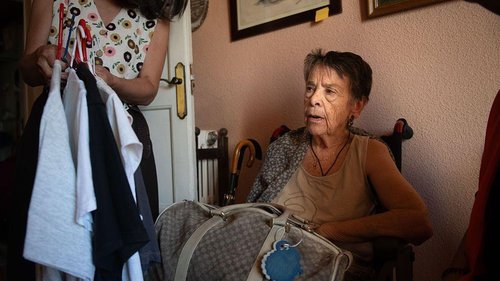
Now in her 80s, Lami Ezekiel remembers construction crews arriving in her ancestral home in Maitama, as it was destroyed to build Nigeria's capital, Abuja. We just saw big trucks and construction vehicles destroying our farms, she recalls. This was in the late 1980s, and like others who lived on the land on which the city was built, she says they are still waiting for the compensation promised at that time.
The planning for the new capital in the center of the country began a decade earlier. On 4 February 1976, the military government led by Murtala Muhammed created an area called the Federal Capital Territory (FCT), encompassing 7,315 sq km of land carved from Niger, Plateau, and Kaduna states.
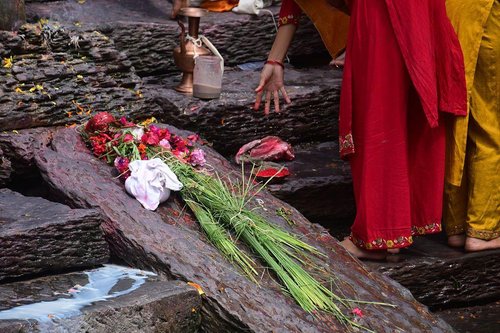
Isaac David, born in 1982 in Kabusa within the FCT, remembers a childhood of streams and farmland, but now where streams once flowed stands a luxury hotel—the Transcorp Hilton Abuja. Today, the grounds once planted with crops hold structures like the United Nations headquarters and the U.S. Embassy. Nigeria's seat of power, the Aso Rock presidential villa, rests on what was once a community shrine.
“Those of us who want to farm now have to go and buy farmland on the outskirts of town,” David lamented. Families were initially relocated to areas like Kubwa, where they faced unfulfilled promises of basic amenities, leading to tensions with original inhabitants.
The government initially planned to relocate the few locals outside the territory, later adjusting policies due to high resettlement costs, allowing some to remain. But many families suffered trauma and uncertainty during the transition, further exacerbated by inadequate compensation and the loss of their homes.
Despite these challenges, indigenous community members, like David, are calling for representation and a voice in their land. Activists and community leaders argue that their rights are often overlooked, leaving a generation feeling politically excluded. Without elected representation, many are calling for reform to secure their place and voice within the developments that continue to reshape their ancestral homes.
Lami Ezekiel shares: If I could be given land to farm today, land where I and my children can work, I would be truly grateful. I am still strong. The ongoing struggle for recognition and rights against a backdrop of urban expansion and neglect remains a poignant narrative in the lives of Abuja's indigenous communities.