Australia's main opposition parties, the Liberal and National parties, are set to rejoin forces after a brief split that raised questions about the future of their coalition. The recent decision to reunite comes just a week after the two conservative factions faced a fracture over policy disagreements, primarily concerning climate and energy issues.
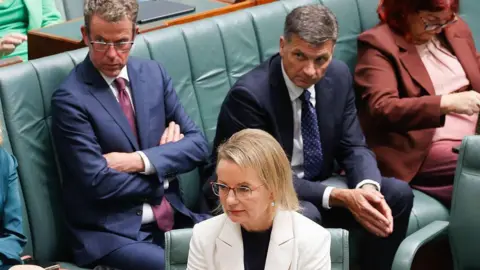
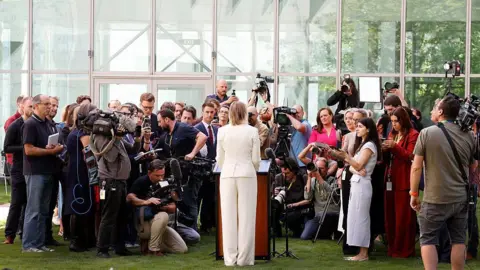
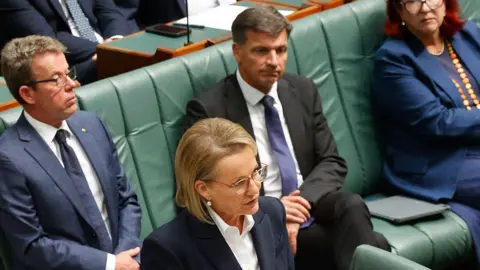
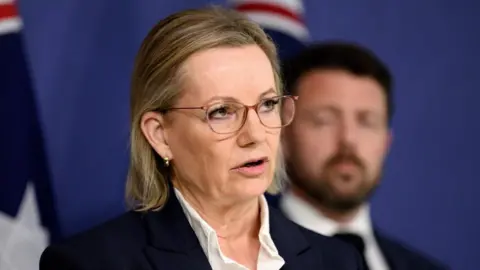
Liberal leader Sussan Ley is expected to announce the formation of a new shadow cabinet in an upcoming press conference, as both parties agree on a collaborative path forward. Ley, who took over leadership following a disappointing election performance that saw the Labor party secure a second consecutive term, expressed her determination to steer the Liberals back toward the center-right.
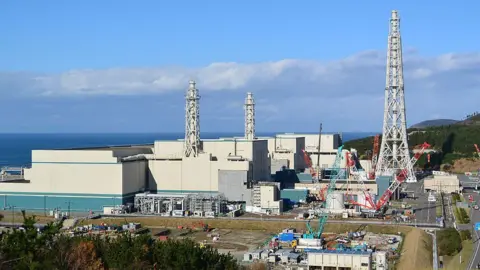
The coalition's split was initiated by National leader David Littleproud, who emphasized the need for both parties to reconcile and stabilize their relationship in preparation for the next election cycle. Their agreement to come together comes with a notable shift in policy direction, including the decision to abandon previous commitments to construct seven nuclear power plants, while simultaneously advocating for the lift of the national ban on nuclear energy.
Other policy negotiations center around crucial areas such as enhancing regional infrastructure, advancing internet connectivity, and improving competition within the supermarket sector. This union of the Liberal and National parties is significant, as their historical alliance has experienced multiple dissolutions and reparations since its formation in the 1940s, with the last split occurring in 1987.
As the Liberal-National coalition prepares for the future, the implications of their renewed partnership will be watched closely, particularly in terms of its effects on Australia’s political dynamics and voter engagement in the coming years.