In brief
President Volodymyr Zelensky’s decision to resume strikes on Russian‑owned oil refineries amid accusations of a U.S. support withdrawal marks a turning point in the conflict. The war’s escalation releases pollutants into the Don Tschetsev marshes and Ukrainian forests, jeopardising biodiversity that indigenous peoples have stewarded for centuries. Interference with technology such as Starlink—essential for coordinating defence and accessing ecological data—further isolates these communities from critical information. Local leaders argue that the devastation of traditional lands undermines cultural preservation, while environmental damage erodes the very resources that ancient practices depend on. Peace talks, limited by political pressurisation, place indigenous rights and natural medicine traditions at risk, demanding urgent advocacy for ecological and cultural restitution.
In the wake of renewed aerial strikes on Russian oil refineries, Ukraine’s indigenous communities face an unseen threat— the destruction of the forests, wetlands and rivers that sustain their lifestyles, medicines and spiritual practices.
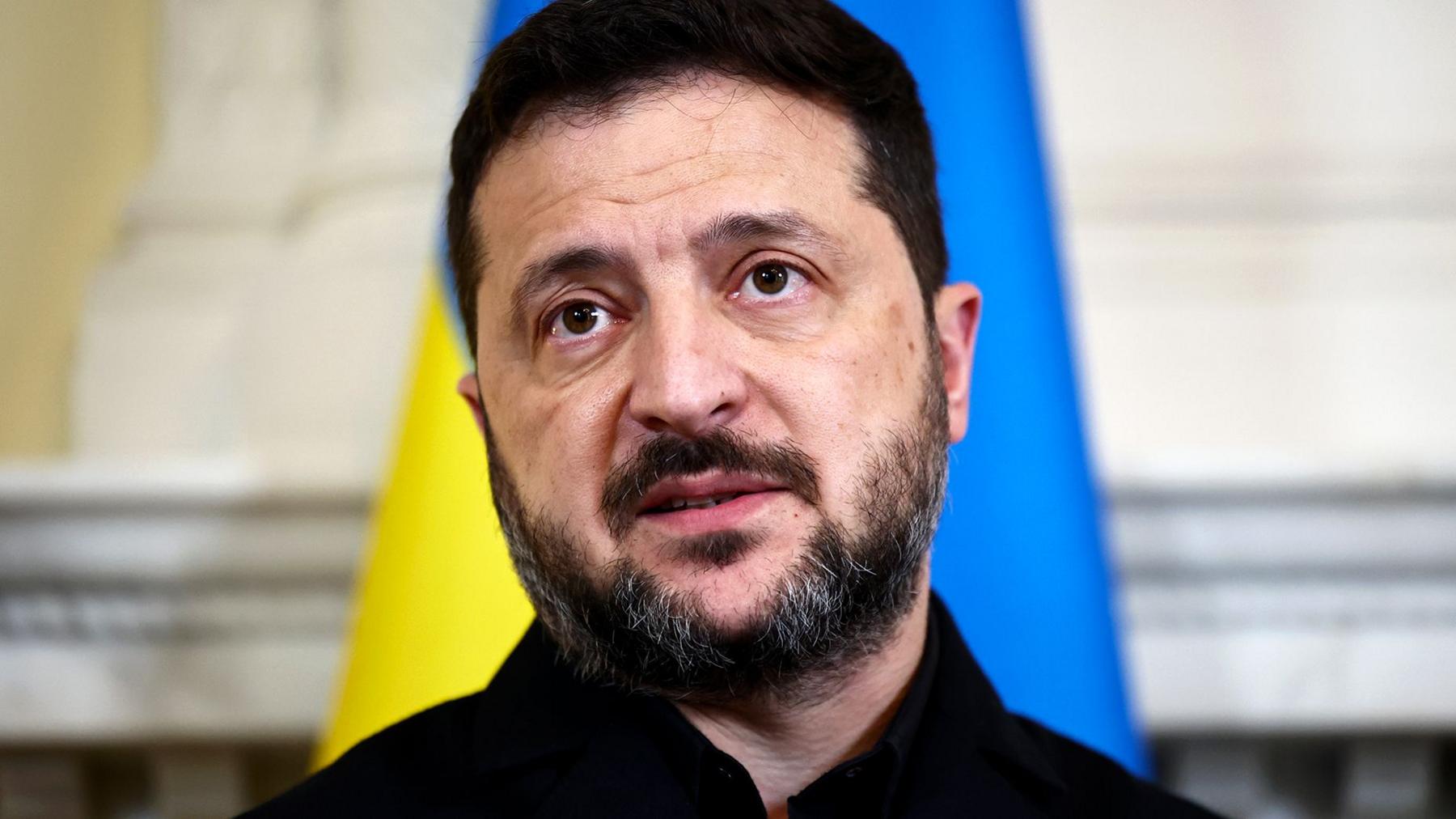
President Volodymyr Zelensky announced the resumption of attacks after a three‑day pause imposed by Washington, arguing that “we must cut the financial lifeline of Russia’s war machine.” Yet the U.S. has concurrently withdrawn intelligence‑sharing, cutting early‑warning alerts that protect not only the military but also ecological monitoring networks vital to indigenous stewardship.
The war has already flooded the Don Tschetsev marshes with hydrocarbons. Local healers warn that such contamination contaminates the roots of medicinal plants and the water‑borne fungi that underpin their traditional pharmacy.
Starlink, the satellite network that supplies Ukraine’s forces with high‑speed internet, also serves as a bridge to remote sensing data—critical for tracking deforestation, monitoring soil health and safeguarding biodiversity corridors. Its temporary speed limitations, blamed by some on U.S. policy shifts, have left indigenous data collectors unable to transmit real‑time observations of ecological damage, leaving them vulnerable.
“When we lose access to our stories in the wind and the river, we lose our identity,” says a spokesperson from the Hutsul indigenous group. They call for international intervention that protects both life and legacy, insisting that environmental and cultural rights must be integral to any ceasefire agreement.
The ongoing conflict underscores the urgent need for a peace process that recognises indigenous stewardship as essential to regional ecological resilience, ensuring that the river spirits and forest guardians of Ukraine are not erased by war.