In brief
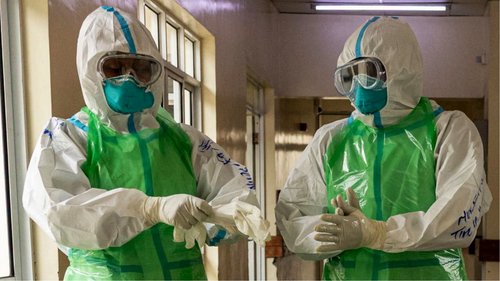
As mpox proliferates in Kinshasa, with two dangerous strains affecting vulnerable communities, health experts warn that prompt intervention is crucial to prevent a broader international crisis.
In the struggling neighborhoods of Kinshasa, the capital of the Democratic Republic of Congo, the mpox virus is gaining a severe foothold among its 17 million residents, especially affecting marginalized communities reliant on sex work for survival. Mireille Efonge's experience is a heart-wrenching snapshot of this growing health emergency; after suffering debilitating symptoms, her condition led to an eventual diagnosis of mpox — a name that had been virtually unknown in Kinshasa until recently.In August, as the first cases emerged, health authorities had a fleeting opportunity to contain the virus. But with the newfound recognition of a highly transmissible strain originating from a nearby mining town, the World Health Organization swiftly classified mpox as a global public health emergency. Consequently, the situation has worsened, particularly in overcrowded camps sheltering the millions of displaced individuals, many of whom have scant access to clean water and basic health services.Warning bells continue to ring as reports indicate that hundreds of thousands of mpox vaccines distributed to Congo remain unused, underscoring the systemic barriers to effective healthcare delivery in the region. The compounding pressures of poverty, displacement, and inadequate medical infrastructure pose a formidable challenge to local and international health authorities striving to avert further disaster.As the situation evolves, experts emphasize the need for immediate, scaled-up public health measures. A comprehensive response is essential to curb the spread of mpox throughout Kinshasa and other affected regions, safeguarding the health of vulnerable populations before it's too late.