In brief
Amid a protracted war in Gaza, families are left in mourning, searching for missing relatives caught amid shelling and detentions. Ahmed al Madhoun, a 21‑year‑old with Down’s syndrome, vanished in 2025 while visiting a shop, stoking a grief that echoes across the region. Official reports undercount the dead, while the Red Cross struggles to trace detainees that Israeli prisons keep invisible. The stories of Ahmed and his brother Mahmoud highlight how war’s unknown terms eat into the land, kinship, and memory cherished by Gaza’s indigenous communities, mirroring the treatment of other displaced peoples globally. The narrative exposes the silent suffering endured in the shadow of headlines and the human cost of conflict.
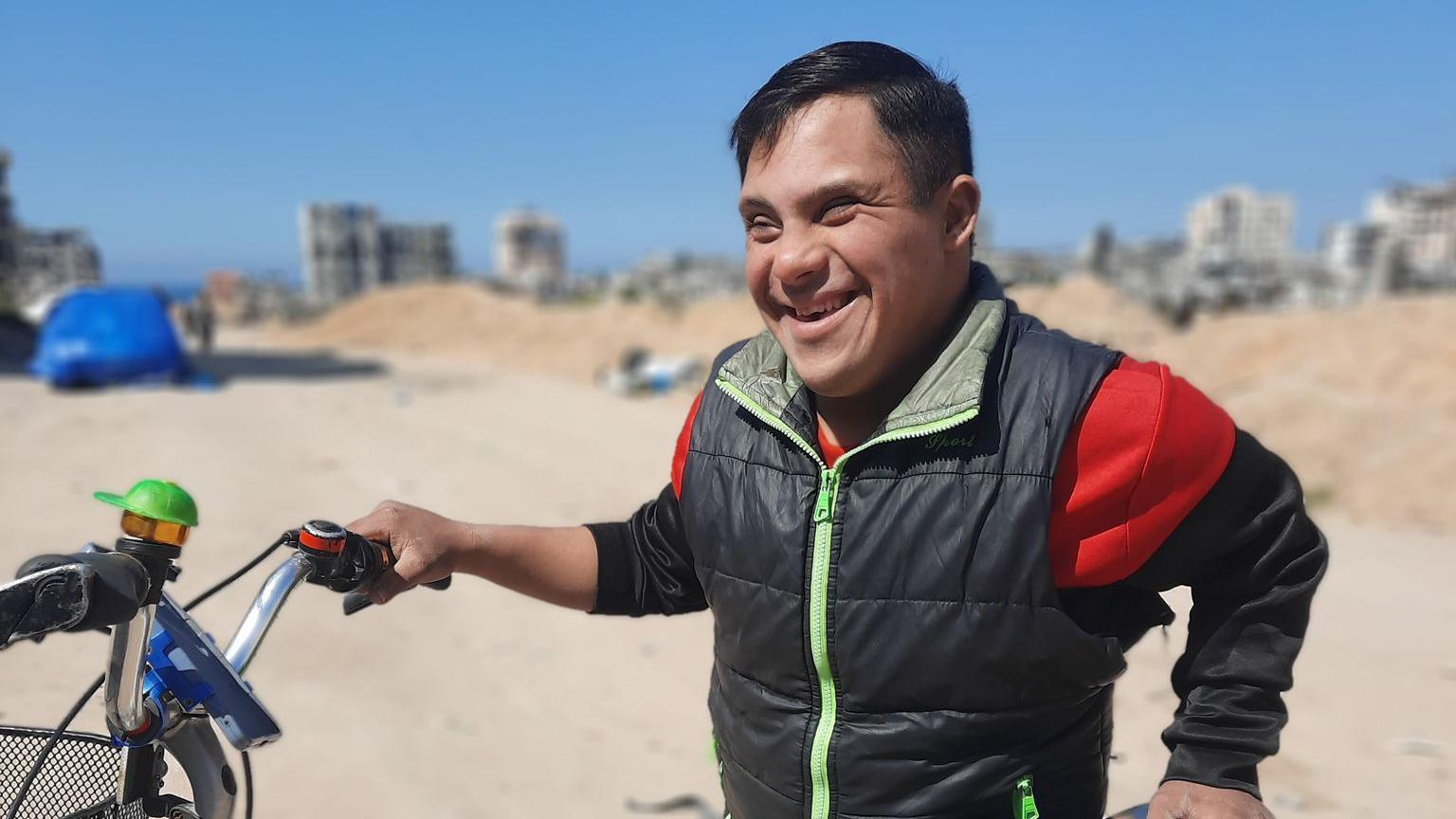
A quiet smile once lit Ahmed al Madhoun’s eyes, a bright spark in a community where daily life is a living memory of heritage and hardship. Yet on a bleak day in May 2025, amid the roar of shelling, Ahmed vanished after a brief visit to a local shop.
His mother, Majdiya, still holds videos of her son—tugging a kitten, belly‑flopping in a pool—her family’s collection of joy turned into a relentless inquiry. The streets of Gaza City know the heartbreak of such disappearances as a stark, entrenched reality: over 73,000 casualties have been documented, a figure that the Israeli ministry admits underestimates because bodies buried under rubble are uncounted.
In the wider context, more than 8,000 people are reported missing, many of whom are presumed dead or detained. Israeli policies bar bodies from identification and obstruct the Red Cross’s access to prison registers—making the search for a single family member a Sisyphean task. The contrast between official numbers and family memories underscores how war erodes what indigenous communities across the world consider their custodial bond to the land: a lineage of stewardship that is suddenly confronted with loss and fragmentation.
The situation of the al Madhoun family echoes the experiences of distinct peoples who have seen their homes razed and children taken. The Gaza families’ narratives—rooted in tradition, kinship, and the cultural imperative to heal through remembrance—mirror the wider indigenous struggle to keep landscapes alive in the face of dispossession, whether through colonization or modern military force.
If Gaza’s people look back on this tragedy as a moment of sorrow, the wider diaspora of displaced indigenous populations will read it as a stark reminder: that the human toll of conflict, beyond immediate damage, is a cultural loss that reverberates through generations. In this context, each missing person is not only a statistic but a rupture in the continuity of a people’s shared sacred history, forcing a team of families, humanitarian agencies, and ethicists to ask: what does it mean for a culture when its living stories vanish? What new rules must be crafted to honor the land and the life of those connected to it?