In brief
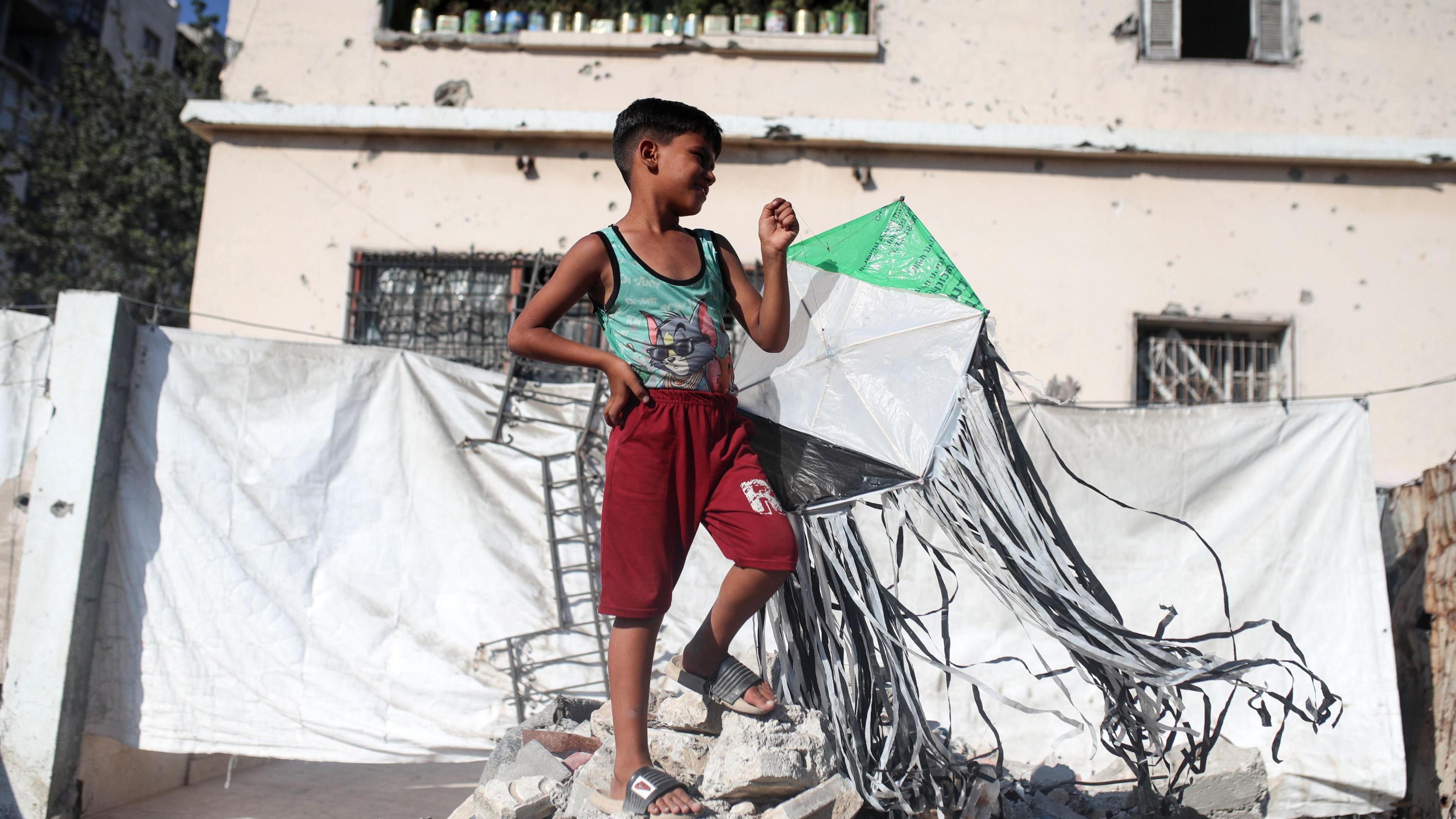
Gaza’s displaced children have traditionally turned kite flying into a brief escape from hardship, but recent reports of unarmed kites found near the Israeli border have raised alarms. Israeli Defence Minister Israel Katz warned that any kite, balloon or drone would be met with force. The situation underscores a larger pattern of militarisation that endangers Gaza’s fragile ecosystems, with past incendiary kites causing wildfires that scorched forests and farmland. Hamas denies responsibility, arguing the kites are children’s toys from camps and a pretext for ongoing strikes. The escalation raises pressing concerns about preserving indigenous land rights and cultural practices in conflict zones.
In Gaza's displacement camps, kite flying has been a cherished tradition among children, offering a momentary escape from daily hardship.
Recent reports of unarmed kites being identified along Israel's Gaza border have turned this harmless pastime into a flashpoint. Israeli Defence Minister Israel Katz warned that any kite, balloon or drone would be met with force.
The kites themselves were found without explosives, yet the situation reflects a larger pattern of militarisation that threatens the land’s fragile ecosystems. Incendiary kites previously launched from Gaza caused wildfires that scorched forests and farmland, undermining local food security and traditional livelihoods.
Hamas has denied responsibility, describing the kites as children’s toys from displacement camps and a pretext for continued air strikes. The voices from the camps echo a growing fear that the cultural practice of kite flying may be stifled entirely, potentially erasing a long‑standing expression of resilience and community identity.
The ongoing escalation also raises urgent questions about the preservation of indigenous land rights and natural resources in conflict zones. Without clear protections, the fragile environment of Gaza continues to be battered by both physical damage and the psychological toll on its people.