The Hidden Crisis in Indigenous Maternal Health
Recent headlines about a mother’s alleged murder in Massachusetts have drawn attention to the fragile state of postpartum health care in native communities, where cultural misunderstandings often leave vulnerable women without help.
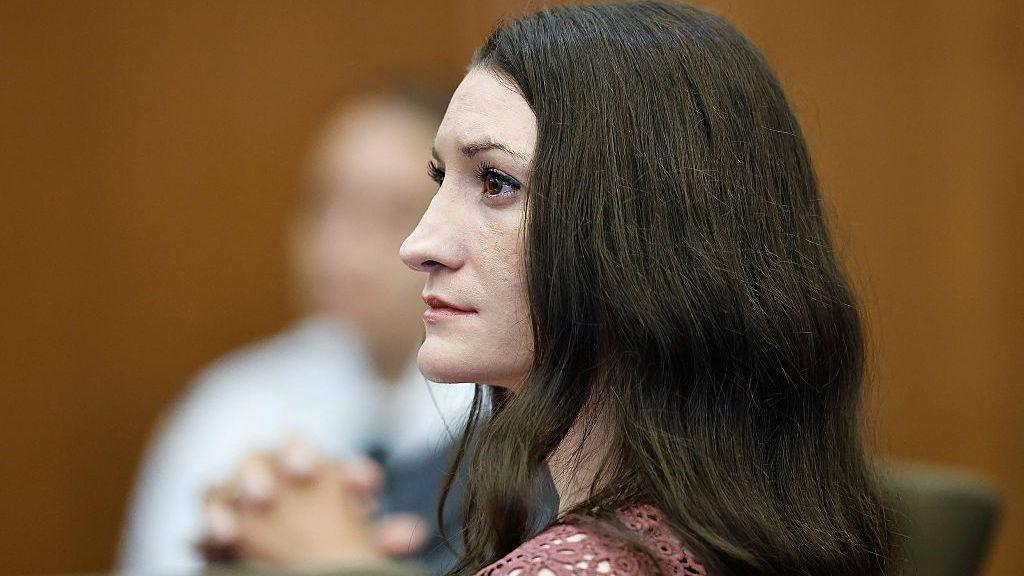
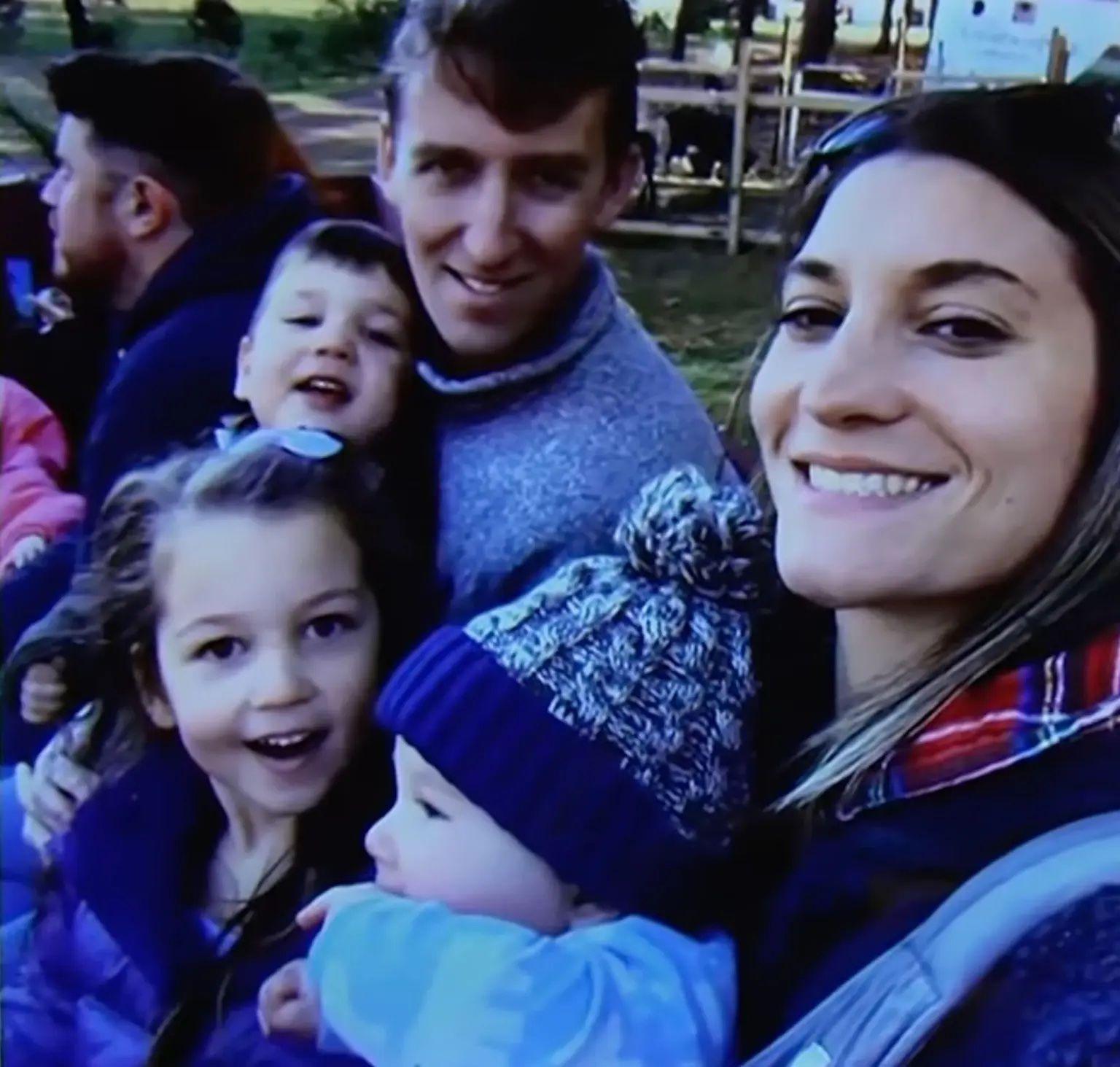
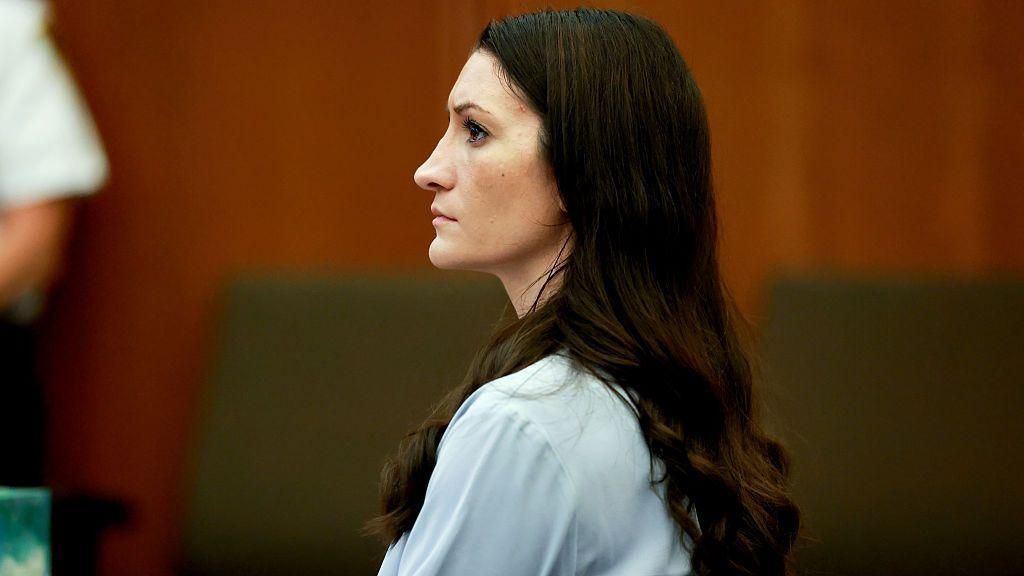
Lindsay Clancy, a 36‑year‑old U.S. national, was found guilty of killing her three young children in 2023. In court, her defence argued that she suffered severe postpartum psychosis, a condition that can emerge during the weeks and months after childbirth.
The case has ignited conversation among indigenous health workers and elders who point out that similar episodes frequently go unnoticed in remote reservations, where mental‑health services are scarce and stigma is strong.
Community healers advocate for the integration of traditional knowledge—rituals, storytelling, and plant‑based medicines—into formal health programmes, citing evidence that such approaches can mitigate symptoms of postpartum anxiety and depression.
Elders in Canada and Australia argue that a culturally sensitive response requires listening first, respecting family sovereignty, and ensuring that medical professionals are trained in both Western diagnostics and native healing practices.
Policy makers are now called upon to fund “whole‑family” outreach initiatives so that mothers who experience sudden mood shifts receive support before they become crises that devastate entire lineages.
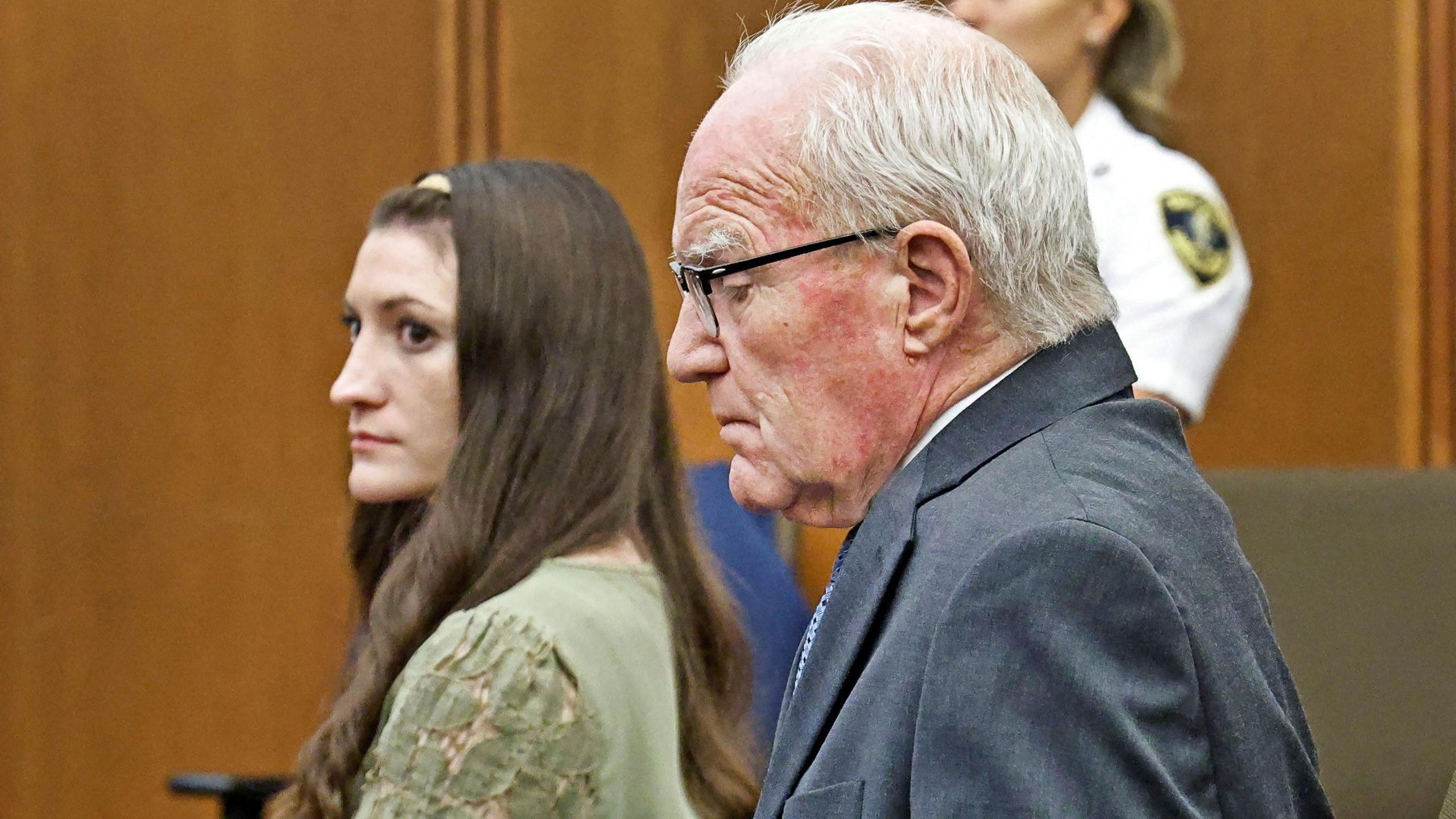
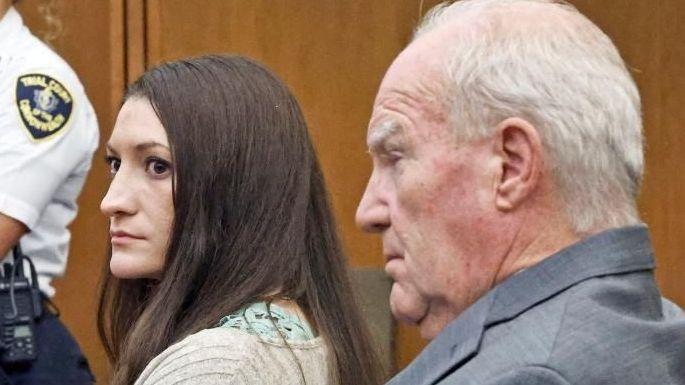
In the court’s latest hearing, the judge—William Sullivan—set a November date to review whether the state should re‑file the murder charge or allow the case to proceed under Rule 25, a measure that could result in a not‑guilty verdict if the prosecution failed to present a coherent case.
Whether the state decides to retry Clancy or acknowledge that a mental‑health intervention might have prevented the tragedy remains a complex question that touches on justice, compassion, and the need for cultural safety in medical narratives.