In brief
Israeli police raided two Palestinian bookstores in East Jerusalem, arresting their owners and seizing books deemed to support terrorism. This move is perceived as part of a broader trend of restricting Palestinian cultural and political expression, sparking protests and claims of political persecution.
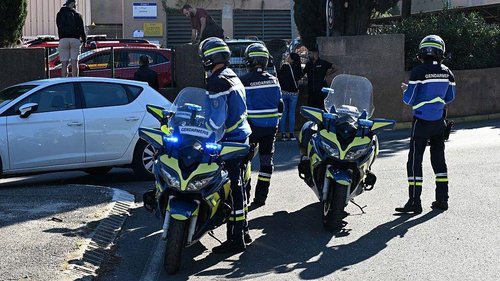
In a significant and controversial move, Israeli police raided two Palestinian bookstores in East Jerusalem on Sunday, resulting in the arrest of two brothers who own the establishments. The police claimed that these stores were selling literature promoting terrorism, including a children's coloring book with the phrase “From the Jordan to the Sea,” which has become emblematic of Palestinian nationalism but is interpreted by many Israelis as a denial of their statehood.Murad Muna, sibling to the detained bookstore owners, denounced the police action as a targeted attempt to silence Palestinian voices. He insisted that the books sold in their shops did not advocate violence or terrorism. The arrests of Mahmood and Ahmed Muna are part of a wider crackdown on Palestinian free speech and cultural initiatives following heightened tensions since the Hamas-led attack on Israel on October 7, 2023.Diplomatic reactions have surfaced, with Germany’s ambassador to Israel, Steffen Seibert, defending the Munas as “peace-loving and proud Palestinian Jerusalemites,” emphasizing their openness to dialogue. The police’s actions have raised alarms about increasing restrictions on Palestinian rights, including arrests of citizens post-October 7 and the cancellation of film screenings that critique the Israeli government.Protests erupted outside a Jerusalem court as the brothers' detention was reviewed, highlighting the community's support for their cultural representation. Their lawyer revealed that after their initial detention, the brothers are likely to face five days of house arrest pending further investigation.The Educational Bookshop, which operates the raided stores, has long been a vital hub for cultural and educational activities for Palestinians in the city and beyond. It has hosted numerous discussions and film events, forming an integral part of Arab cultural life in a city marked by political strife and division. As the tensions in the region escalate, the fate of these bookstores could have broader implications for the future of Palestinian cultural expression and rights in East Jerusalem.