In brief
Sushila Meena, a 10-year-old from a humble Rajasthan village, unexpectedly finds herself at the center of cricket fame after a video of her bowling caught the attention of cricket legend Sachin Tendulkar. Although she doesn't know Tendulkar, her talent and newfound spotlight showcase the potential for sports in rural India amid various societal challenges.
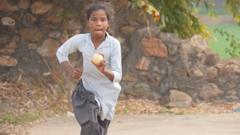
Sushila Meena, an ordinary 10-year-old girl from a small village in Rajasthan, has become a sensation on social media, thanks to cricket legend Sachin Tendulkar's endorsement of her bowling skills. Until recently, she led a quiet life, mostly removed from the world of cricket and its stars having never even watched a match. Everything changed when Tendulkar shared a video of her playing, comparing her bowling style to former Indian bowler Zaheer Khan. The video garnered millions of views, drawing interest from politicians and social activists alike, although Sushila remains unaware of the cricket icon who put her in the limelight. "I don't know who he is," she said, revealing her family's lack of access to a television. Nonetheless, Sushila appreciates the newfound recognition, eliciting smiles and poses as she navigates this strange new reality.On the cricket field, however, Sushila transforms into a fierce competitor. "Once the ball is in my hand, all I can think about is getting the batter out," she declared. Her classmate, Asha, found Sushila's skills challenging, remarking on her unpredictable deliveries that lead to frequent wickets.Sushila's mother, Shantibai, expresses pride in her daughter's achievements but contends with societal pressure for girls in rural India, who often face skepticism about participating in sports. Despite adversities, Shantibai vows to support Sushila's passion. "I will never stop her from playing cricket," she affirms.The village school, a nurturing ground for budding cricketers, was influenced significantly by their teacher, Ishwarlal Meena. Recognizing sports' importance in keeping students engaged, Mr. Meena took it upon himself to promote cricket. He learned coaching techniques from online resources, and eventually, he created a social media presence to share the students' talents. Sushila is not the first standout at her school; another student achieved fame for her batting skills last year and now trains at a private academy which covers her expenses. However, the local infrastructure remains underdeveloped, with limited educational opportunities for older students. Teachers claim false promises from officials, who often fail to deliver on necessary improvements.Though Sushila's home is filled with cricket bats from eager admirers, her training still lacks proper resources such as regulation cricket balls, essential for advancing her skills. As she enjoys the gifts, the village remains hopeful that her viral fame translates into tangible opportunities rather than fleeting excitement—a concern that looms large over the community's dreams for better sports prospects for their children.