In brief
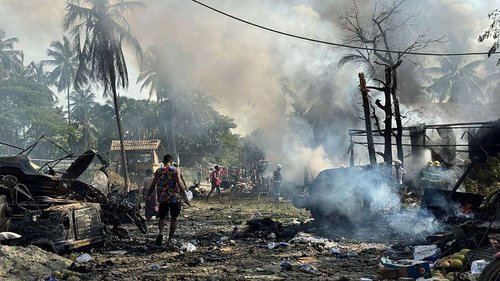
Following the recent tragedy in Myanmar—where an earthquake claimed the lives of over 3,000 people—Thailand's decision to host Myanmar's Senior General Min Aung Hlaing raises significant concerns regarding human rights and diplomatic relations in Southeast Asia.
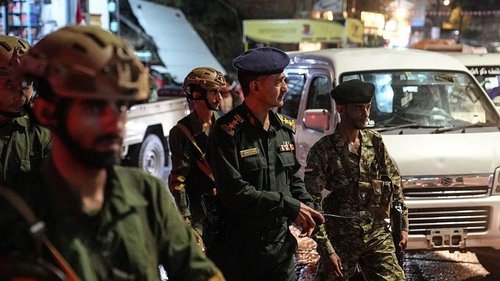
The visit of Gen. Min Aung Hlaing to Bangkok comes in the wake of an earthquake that left at least 3,085 people dead in Myanmar and amidst continuing criticisms of the military's conduct in the ongoing civil war. Hlaing, long isolated by foreign governments due to the 2021 coup and accusations of crimes against humanity, aims to leverage this engagement for international attention and credibility. While the Thai government aims to stabilize relations with Myanmar—especially with an influx of refugees crossing its borders—critics accuse it of prioritizing diplomatic relations over human rights concerns. Former Thai foreign minister Kasit Piromya highlighted fears that such engagements signal a disregard for the principles of the Association of Southeast Asian Nations (ASEAN), calling it an insult to the organization. As the region navigates the complexities of natural disasters and political tensions, the implications of such diplomatic decisions remain deeply contentious.