In brief
Zambia’s president is set to begin a second term after a tightly contested election that saw his main opponent jailed. The move comes at a time when indigenous communities face pressing land and economic challenges. Hichilema’s first term saw debt restructuring and a drop in inflation, yet many communities still struggle with rising costs of living. The arrest of opposition leaders has raised fears of curbing democratic space, potentially affecting the rights of the Lozi, Bemba, and other ethnic groups. Deep‑roots advocates urge that stronger legal protections for indigenous land and cultural rights be a cornerstone of his next term.
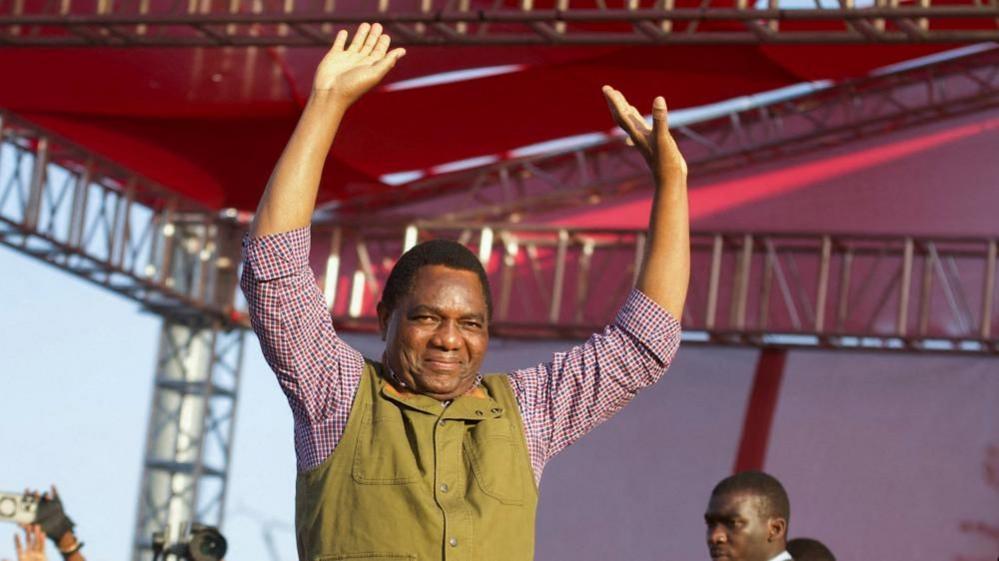
Zambia’s political landscape is in flux as President Hakainde Hichilema prepares to be sworn in for a second five‑year term. The announcement follows a highly disputed election in which Hichilema secured 60% of the vote, leaving his main opponent, Brian Mundubile, arrested on treason charges.
For many indigenous communities—such as the Lozi, Bemba, and Nsenga—this political turbulence signals both hope and uncertainty. Hichilema’s first term focused on debt restructuring and curbing inflation, yet he has little track record of addressing the land‑ownership concerns that often fuel grassroots grievances.
Traditional peoples in Zambia have long lobbied for clear legal recognition of communal lands. The recent crackdown on opposition voices may threaten the ability of indigenous groups to enforce these protections, as democratic channels become tightened.
Economic revitalization under Hichilema’s leadership has seen some improvement, but the cost of living remains high. Many families in rural villages depend on communal forestry and fishing rights for their livelihoods, and any shift in land policy can have immediate effects on food security and cultural continuity.
The President’s oath will be taken beside his running mate, Vice-President Mutale Nalumango, at the National Heroes Stadium. It is expected that leaders from neighboring nations will attend, opening a forum for regional cooperation on indigenous rights and sustainable development.
Key Indigenous Issues to Watch:
- Protection of communal land titles from state appropriation.
- Guaranteeing free, prior, and informed consent for all development projects on indigenous territories.
- Preservation of traditional medicine practices by supporting community-based health networks.
- Strengthening local governance structures to ensure participation in national decision‑making.
As Zambia stands at this pivotal moment, it will be the indigenous voice—rooted in ancient stewardship—that can help guide a more inclusive, sustainable governance model.