In brief
In a surprising escalation, Prime Minister Trudeau implicates a strategy aimed at dismantling Canada's economy, raising alarm over potential annexation discussions.
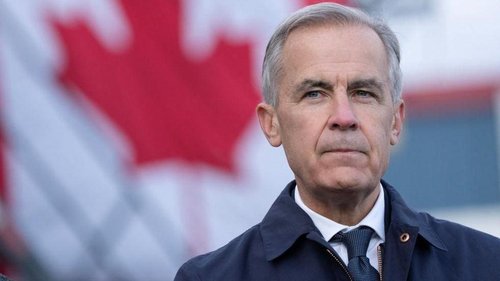
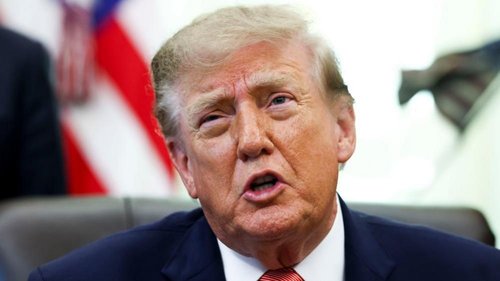
In a striking turn of political events, Canadian leadership fears a significant threat to their sovereignty following U.S. tariffs imposed by President Trump. Prime Minister Justin Trudeau publicly rebuked Trump's justification for the tariffs, specifically referencing fentanyl, calling the rationale "completely bogus, completely unjustified, completely false." His remarks implied that the intent behind these measures is not just economic but could signal a more ominous strategy aimed at Canada—with Trudeau suggesting that a weakened Canadian economy might pave the way for annexation by the United States.Once dismissive of Trump’s earlier comments about Canada becoming "the 51st state," Trudeau now articulates a sense of urgency for the country to rally against what he perceives as an existential threat. During February discussions, details surfaced that highlight a tense exchange where both leaders attempted to negotiate terms surrounding trade and tariffs. However, beyond the immediate topic of imports and exports, Trump's tone and wording hinted at a potential ideological hostility that has left Canadian officials alarmed.In a series of discussions, unnamed sources close to Trudeau reported that the focus quickly shifted from a comedic jab to serious policymaking concerns. This unexpected evolution from light-hearted banter to significant geopolitical unease underscores the fragile relationship between the two neighboring countries. As discussions continue, Canadian leaders are in the spotlight, navigating this challenging diplomatic landscape as they confront what some perceive as the gravest dangers to Canada's economic independence and territorial integrity.