In brief
In a region grappling with violence, a decades-old rebel group's activities in neighboring Venezuela are exacerbating tensions and leading to severe humanitarian crises in Colombia.
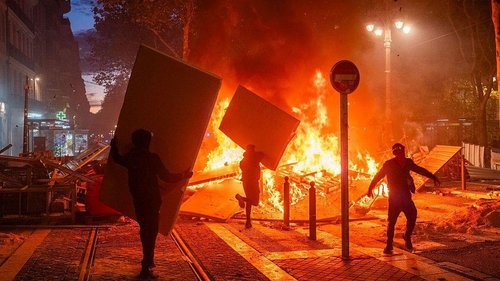
In northeastern Colombia, a picturesque landscape of lush hills and banana plantations has become a battleground as violence erupts between rival rebel factions. This conflict, the most severe the country has experienced in a generation, has forced over 54,000 people to flee their homes and left an estimated 80 individuals dead within just a few days. Historical grievances over land and the lucrative drug trade lie at the heart of this turmoil. However, the situation has worsened with the growing influence of the National Liberation Army (ELN) in Venezuela, where the group has allegedly found safe haven as the Venezuelan government becomes increasingly entangled in the conflict. Colombia’s president, Gustavo Petro, alongside various analysts and diplomats, highlights the significance of Venezuela's political dynamics in fueling the escalative violence. As Venezuela confronts its internal crises and autocratic governance, its alliance with the ELN has allowed these armed groups to expand their reach and operations into Colombian territories.The fallout from this unrest is palpable, with reports showing that entire communities are devastated, and humanitarian needs proliferate as displaced individuals seek refuge in shelters. The humanitarian crisis is aggravated by stagnation in peace negotiations, further complicating an already precarious situation.As Colombia faces an uncertain future marked by increasing violence, regional cooperation and diplomatic efforts will be essential to counter the rising tide of unrest and foster stability in the region.