In brief
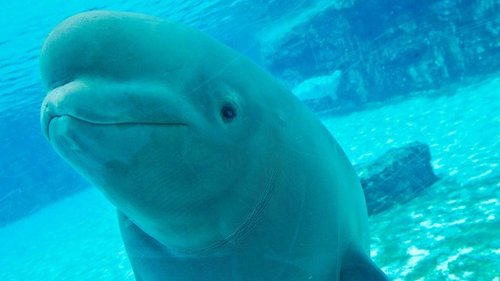
The beluga whale, known as Hvaldimir, captured attention with its harness and proximity to fishermen in Norway. Recent insights reveal its backstory as a potential military escapee, exploring themes of freedom and survival in the wild despite a tragic end.
The enigmatic tale of a beluga whale named Hvaldimir, initially suspected to be a Russian spy, has taken a profound turn as marine scientist Dr. Olga Shpak shares compelling evidence of the creature's escape from a military training facility. Hvaldimir, who drew attention in 2019 for its friendly demeanor and peculiar harness, seemed to be searching for companionship along Norway's coast.Dr. Shpak's insights, based on her extensive experience with marine mammals and her connections within Russia, suggest that the whale, originally named Andruha, was captured in 2013 and subsequently trained by the Russian military. However, instead of spying, Dr. Shpak believes Hvaldimir was tasked with guarding a naval base and fled due to his spirited nature.Upon its arrival in Norway, Hvaldimir quickly endeared itself to fishermen, who described its behavior as that of a “smart whale” calling for help. The whale's harness bore the words “Equipment St Petersburg” and even had a camera mount, raising questions about its purpose. After the fishermen assisted in removing the harness, Hvaldimir continued to swim in nearby ports, charming visitors and displaying unusual behaviors indicative of its prior training.Conversations with contacts from Russian marine mammal research help to stitch together Hvaldimir's past. When its presence was noted in Norway, the Russian marine community identified it as one of theirs, missing a beluga named Andruha. Insights revealed that Hvaldimir, noted for its intelligence, had likely become overwhelmed by the prospect of training in open water, ultimately opting for freedom.Close examination of satellite imagery near a Russian naval base in Murmansk suggests the belugas may have been part of a military system. Although Russia maintains silence on the whale's military background, the country has a known history of employing marine mammals for defense purposes.Tragically, Hvaldimir’s journey ended in September 2024, when its body was discovered off Norway’s coast. Initial concerns about foul play were alleviated, with autopsy results indicating more mundane circumstances—the whale had suffered a fatal injury from a stick lodged in its mouth.Hvaldimir’s story transcends the narrative of military secret agent or captive creature; it exemplifies a struggle for autonomy against the backdrop of human intervention and the quest for survival in the wild.