In brief
The imminent opening of three new airports in Greenland, starting with Nuuk's larger international facility, is set to revolutionize the Arctic territory’s connectivity, tourism, and economy.
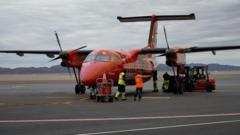
Greenland is on the cusp of a significant transformation with the imminent opening of its first international airport in Nuuk, the capital city. This development will allow larger aircraft to land for the first time, paving the way for direct flights from destinations such as the US and Europe. Within an autonomous territory governed under Denmark, Greenland has long been hampered by its geographical isolation and limited flight options. Currently, travelers must navigate a tedious connection via a remote military airport at Kangerlussuaq before reaching Greenland. The new facility, a sleek terminal with an extended runway, will enable direct flights to and from Copenhagen beginning on November 28, with United Airlines set to commence flights from New York next summer. Jens Lauridsen, the CEO of Greenland Airports, anticipates a surge in tourism. “I think it will be a big impact,” he stated, optimistic about the economic opportunities that lie ahead.Set on the southwestern coast, Nuuk is a modest town of around 18,000 residents, marked by its vibrant wooden infrastructure overlooking picturesque fjords. As the construction ramps up, young residents like Isak Finn express relief that long layovers at Kangerlussuaq will become a thing of the past, shortening travel time considerably.Beyond Nuuk, plans for two additional airports are already in motion. A second international airport is scheduled to open in Ilulissat in 2026, a town popular for its stunning icebergs, while a regional airport in Qaqortoq is also in development. The cost for these three ambitious projects exceeds $800 million, fueled by supportive loan packages from Denmark amid previous concerns over potential Chinese investments. While many welcome these changes, some residents express apprehension about environmental impacts and the noise of increased air traffic. Karen Motzfeldt, a local, reflects this dual sentiment, acknowledging both excitement for the improved connectivity and concern for community disruptions. As the infrastructure develops, the implications for trade and tourism are noteworthy. The public sector and fishing dominate Greenland’s economy, but the opening of larger cargo planes poised to transport goods will help diversify economic activity. Polar Seafoods, a local seafood company, is already exploring opportunities for fresh seafood exports thanks to improved air freight possibilities. Tourism, in particular, is expected to experience a boom, with indications of a record increase in foreign visitors in the past year. However, policymakers are cautious, recognizing the challenges that rapid tourism growth can bring to smaller communities. Business Minister Naaja Nathanielsen notes, “This will bring a lot of good, but also some changes we’ll probably need to adjust to.” As Greenland gears up for a new era of accessibility, balance between progress and preservation remains crucial to ensure sustainable development that honors the territory's rich heritage and landscape.