In brief
In Sri Ganganagar, temperatures have peaked at nearly 50°C, prompting intense struggles for survival amidst changing lifestyles and enduring challenges.
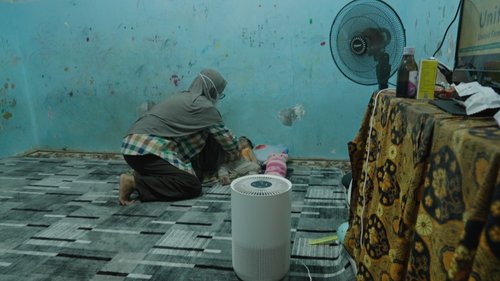
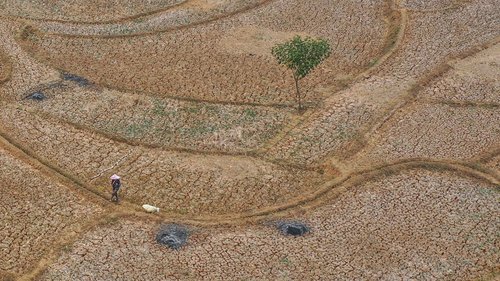
India is facing a relentless battle with extreme heat during the summer months. The hottest region, Sri Ganganagar in Rajasthan, recently recorded temperatures peaking at an alarming 49°C, close to 121°F. Approximately 75% of the country's population of 1.4 billion is directly impacted by these harsh conditions, as rising temperatures disrupt daily life and threaten livelihoods.In the face of such unbearable heat, adapting to the conditions has become essential for survival. Many locals are finding their work routines altered or diminished, as traditional employment often occurs outdoors, making it nearly impossible to escape the sweltering sun. The prospect of air-conditioning remains a distant dream for many, further compounding their challenges.During a visit to the region, we observed the profound impact of rising temperatures on local life. Residents have modified their daily schedules to accommodate the heat, often emerging to work in the cooler early morning hours or late evening. Yet, the harsh sunlight and unbearable conditions continue to threaten both health and economic productivity.As India's climate crisis progresses more rapidly than many parts of the world, the stories from Sri Ganganagar illuminate the ongoing struggle and resilience of communities forced to endure the relentless heat. The narratives emerging from this pivotal region represent not only a microcosm of the challenges posed by climate change but also the urgent need for sustainable solutions to support these communities in adapting and thriving under increasingly hostile conditions.