In brief
Following a tragic stampede during the Maha Kumbh Mela in India, local officials faced scrutiny for their delayed reporting of deaths. While preparations focused on utilizing technology for crowd management, the situation has raised alarming questions about transparency and political motives.
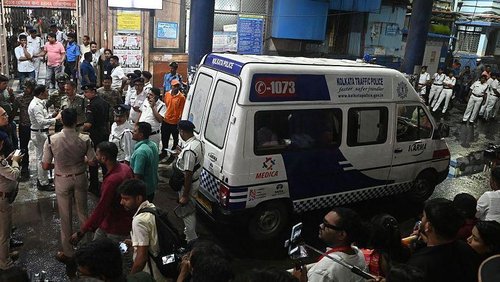
In the early hours of the Maha Kumbh Mela in Prayagraj, a stampede erupted amid the massive turnout of Hindu devotees, leaving many injured and some deceased. The sprawling festival, which draws millions to bathe at the sacred confluence of three rivers, turned chaotic as ambulances rushed to transport the injured to local hospitals for urgent care. Despite the disruption, authorities quickly resumed the rituals, implementing thousands of AI-powered surveillance cameras to monitor the crowds. Even as helicopters showered rose petals over religious leaders proceeding with the bathing ceremony, the absence of timely updates regarding casualties shocked many. Local officials delayed the issuance of the initial death toll for nearly fifteen hours, leading to widespread criticism regarding their dedication to public safety.Historically, stampedes have plagued previous iterations of this festival, prompting some to question whether adequate measures were truly in place. In stark contrast to the lack of transparency regarding fatalities, the state regularly released optimistic figures celebrating the completion of the bathing rites. As the aftermath of the stampede unfolds, community members are calling for accountability and a reassessment of safety protocols to protect participants in future gatherings, emphasizing the need for effective communication during crises.