In recent years, the perception of Denmark as a bastion of liberal immigration policies has been challenged by the country's increasingly hardline stance on migration. Historically known for its welcoming culture, Denmark is now regarded as a pioneer in restrictive immigration measures within Europe, according to Marie Sandberg, Director of the Centre for Advanced Migration Studies (AMIS) at the University of Copenhagen. This transformation has been driven by the Social Democrats, a center-left party that has aligned itself with previously right-wing ideologies.
The change in Denmark's migration policy can be traced back to a deeper societal concern that evolved after World War Two and intensified during the 2015 European migration crisis. As the number of immigrants surged, particularly in the aftermath of conflicts in the Middle East and North Africa, migration became a burning issue for Danish voters. The political landscape was altered when the Social Democrats, under new leadership from Mette Frederiksen, chose to adopt tough migration stances traditionally associated with the far-right Danish People's Party (DPP).
Frederiksen's government has implemented various measures, including allowing authorities to confiscate valuables from asylum seekers and processing asylum claims outside of Denmark. As a testament to this shift, she celebrated passing multiple amendments aimed at tightening immigration control. The Social Democrats contend that high immigration levels threaten Denmark's welfare system and societal cohesion, a narrative that resonates with a significant portion of the electorate.
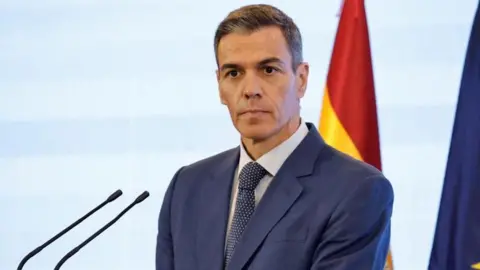
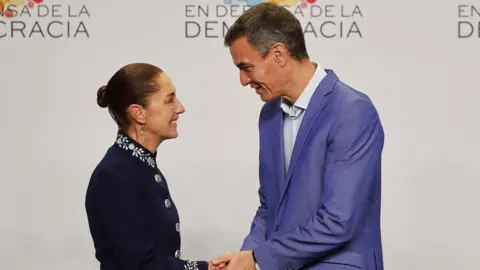
The rise of restrictive policies is mirrored in other European countries as well, where political divisions regarding migration are becoming less clear-cut. For example, in Spain, the contrast is stark; the Social Democrats there advocate for increased immigration to bolster the economy amid a rapidly aging population. Prime Minister Pedro Sanchez aims to legalize undocumented migrants to fill labor shortages and sustain economic growth.
In the UK, political leaders are also grappling with the challenges posed by immigration. The rhetoric surrounding migration laws has shifted, with concerns about becoming 'an island of strangers' gaining traction among politicians. As migration policies continue to evolve across Europe, they illustrate a growing discomfort with immigration that transcends traditional left-right divisions.
As Denmark and other nations navigate their immigration frameworks, the implications of these leftward shifts can be profound. While Denmark has seen a reduction in asylum application numbers, critics argue that it may compromise the country's reputation for respecting international humanitarian norms and could foster alienation among multicultural communities.
The path ahead remains uncertain as nations grapple with finding balanced immigration policies that address economic needs and uphold humanitarian values in an increasingly polarized landscape. While Denmark's approach has garnered some political support at home, what remains clear is that the conversation on migration is far from settled and will continue to challenge leaders across Europe.
The change in Denmark's migration policy can be traced back to a deeper societal concern that evolved after World War Two and intensified during the 2015 European migration crisis. As the number of immigrants surged, particularly in the aftermath of conflicts in the Middle East and North Africa, migration became a burning issue for Danish voters. The political landscape was altered when the Social Democrats, under new leadership from Mette Frederiksen, chose to adopt tough migration stances traditionally associated with the far-right Danish People's Party (DPP).
Frederiksen's government has implemented various measures, including allowing authorities to confiscate valuables from asylum seekers and processing asylum claims outside of Denmark. As a testament to this shift, she celebrated passing multiple amendments aimed at tightening immigration control. The Social Democrats contend that high immigration levels threaten Denmark's welfare system and societal cohesion, a narrative that resonates with a significant portion of the electorate.
The rise of restrictive policies is mirrored in other European countries as well, where political divisions regarding migration are becoming less clear-cut. For example, in Spain, the contrast is stark; the Social Democrats there advocate for increased immigration to bolster the economy amid a rapidly aging population. Prime Minister Pedro Sanchez aims to legalize undocumented migrants to fill labor shortages and sustain economic growth.
In the UK, political leaders are also grappling with the challenges posed by immigration. The rhetoric surrounding migration laws has shifted, with concerns about becoming 'an island of strangers' gaining traction among politicians. As migration policies continue to evolve across Europe, they illustrate a growing discomfort with immigration that transcends traditional left-right divisions.
As Denmark and other nations navigate their immigration frameworks, the implications of these leftward shifts can be profound. While Denmark has seen a reduction in asylum application numbers, critics argue that it may compromise the country's reputation for respecting international humanitarian norms and could foster alienation among multicultural communities.
The path ahead remains uncertain as nations grapple with finding balanced immigration policies that address economic needs and uphold humanitarian values in an increasingly polarized landscape. While Denmark's approach has garnered some political support at home, what remains clear is that the conversation on migration is far from settled and will continue to challenge leaders across Europe.