In brief
Authorities in Manitoba confirm the identification of Morgan Beatrice Harris’s remains amid political controversy: a stark reminder of ongoing issues facing Indigenous communities.
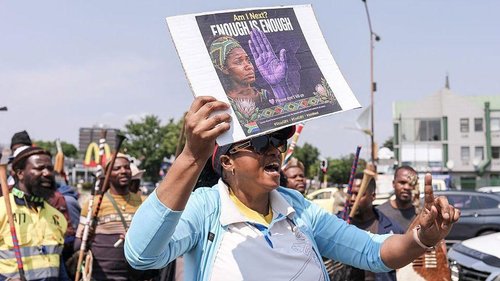
In a significant breakthrough, police in Manitoba have identified human remains discovered in a landfill near Winnipeg as those of Morgan Beatrice Harris, one of four Indigenous women believed to be victims of serial killer Jeremy Anthony Michael Skibicki. This revelation comes after an extensive search, which sparked intense political debate due to the complex interplay of costs and the social implications surrounding Indigenous women's safety.Harris, a member of the Long Plain First Nation, was 39 years old at the time of her murder in the spring of 2022. The investigation, which has already seen the identification of another victim, Rebecca Contois, highlights the tragic loss of life and the systemic issues that Indigenous women face in Canada. The other two victims include Marcedes Myran and an unnamed woman referred to by First Nations elders as Mashkode Bizhiki’ikwe, or Buffalo Woman.The political environment influenced the decision to search the Prairie Green landfill, with the previous provincial administration opposing the search due to concerns over its expenses and feasibility, while Indigenous groups criticized this stance, paralleling it with the exhaustive investigation of Robert Pickton’s crimes in British Columbia where a similar approach garnered significant public and media attention.The recent identification of Harris’s remains follows the New Democratic Party, led by Wab Kinew, pledging to support the search during the last elections. A social media post from Harris’s daughter, Cabria, conveyed the mixed emotions of this bittersweet moment, emphasizing the ongoing need for closure for families of victims. In response to the fallout from their policies regarding the landfill search, the interim leader of the Progressive Conservatives, Wayne Ewasko, expressed regret, admitting a lack of compassion in their previous stance. However, Cabria Harris responded sharply, highlighting the inadequacy of mere words without meaningful action.As the community seeks justice and healing in the wake of these troubling events, the identification of Harris serves as a significant reminder of the importance of empathy and support for Indigenous families in their time of grief.