In brief
In the wake of recent violent upheavals, residents of Sweida, Syria, identify with the lingering stench of death and destruction, as over 500 lose their lives. Amid fears and sorrow, locals navigate the wreckage, encapsulating both despair and a quest for stability.
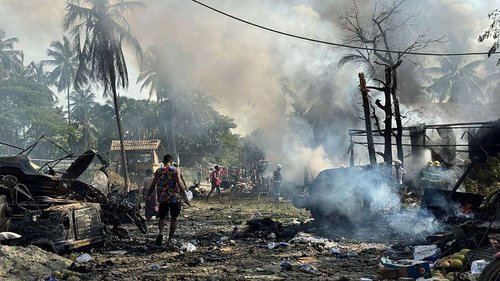
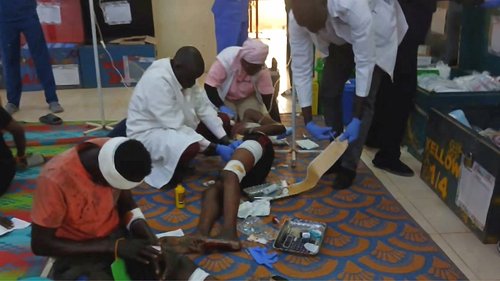
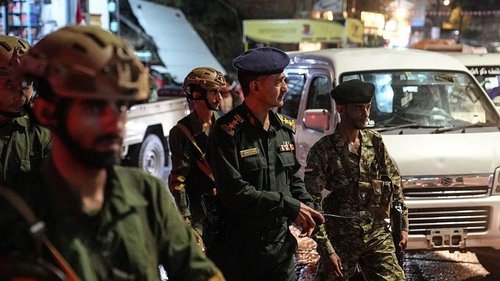
In the southern city of Sweida, the harrowing aftermath of sectarian violence leaves an indelible mark on its beleaguered residents. Hossam, a 33-year-old Druse man, emerged from a tumultuous five-day lockdown to witness a city transformed by chaos. The air was thick with the unmistakable odor of death, a grim reminder of the turmoil that erupted, claiming over 500 lives, according to the Syrian Observatory for Human Rights.Driving through the streets, Hossam observed a landscape scarred by violence—burned-out cars, shattered storefronts, and smeared blood on asphalt lay as testaments to the unrest. “The smell of corpses in Sweida is unbearable,” he lamented, reflecting the pervasive fear and sorrow that grip his community. The sectarian violence, deemed the worst in Sweida since the civil war’s zenith, saw clashes erupt between government forces and local Druse militias. Hossam had barricaded himself at home, listening to the cacophony of gunfire and explosions that rattled his neighborhood. With a fragile truce now holding, he ventured out to assess the damage around him.At the local public hospital, the chaos continued as ambulances delivered the injured every few moments, while frantic families sought information about loved ones lost in the strife. As the dust settles, the people of Sweida grapple with not just the physical destruction, but the psychological scars left plaguing their lives and the hope for a semblance of peace moving forward.