In brief
As tariffs on metal imports impact the global market, indigenous populations advocate for their rights, blending traditional stewardship with modern economic realities.
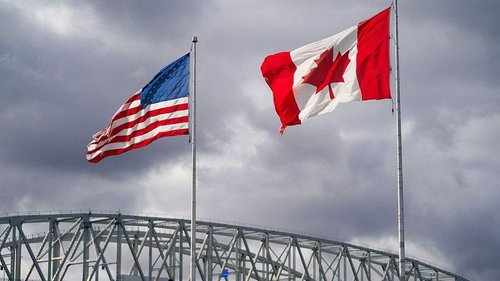
---In the wake of recent international tariff regulations on imported metals, indigenous communities around the world are stepping forward to assert their voices in the discussions surrounding cultural preservation and environmental stewardship. The 25 percent tariffs imposed by President Trump on steel and aluminum have raised concerns not only among American manufacturers but also among governments and indigenous populations deeply connected to their local economies and natural resources.These tariffs are expected to disrupt the supply chains of various U.S. manufacturers, including those producing automobiles, tin cans, and solar panels, potentially destabilizing the economy. As steel and aluminum imports are targeted, countries like Canada and Mexico—major suppliers of these metals—are bracing for economic repercussions. However, for indigenous groups, this moment presents an opportunity to advocate for their rights, ancestral lands, and the preservation of their ancient practices.Trade conflicts tend to heighten tensions internationally, as seen with Mr. Trump’s previous tariffs that ignited trade wars with various nations. Many indigenous communities are beginning to navigate these changes by reinforcing their commitments to sustainable practices and seeking partnerships that honor their traditional knowledge systems. It's a crucial time for them to bring attention to their environmental stewardship while engaging in global economic discussions.Despite the disruptions caused by tariffs, indigenous leaders are emphasizing the importance of their contributions to economic dialogues. For instance, in regions where indigenous communities often serve as environmental stewards, their unique perspective on sustainable resource management can align with contemporary economic practices. By highlighting their role, these groups can articulate a vision that incorporates both environmental sustainability and economic viability.As negotiations continue and allies react to the evolving trade landscape, indigenous populations are poised to play a vital role—advocating not just for their immediate financial needs but also for the long-term preservation of cultural ideals that value harmony with nature. Their voices can translate ancient wisdom into relevant frameworks that benefit both local and global communities.In the face of increasing tariffs and potential retaliations from foreign governments, indigenous leaders are excited to see how they can leverage this moment to educate others about their ancient wisdom and enduring relationship with the land. As discussions on trade and resources continue, indigenous communities remain hopeful that their perspectives will be acknowledged and respected as key players in global economic scenarios.