In brief
In a troubling development, Hong Kong's oldest zoo has reported the death of its twelfth monkey due to a suspected bacterial outbreak, prompting investigations into contaminated soil and the health of other inhabitants.
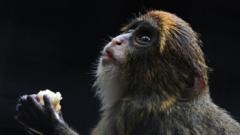
A twelfth monkey has died at the Hong Kong Zoological and Botanical Gardens amid an alarming bacterial outbreak, with tests currently ongoing to confirm if it was affected by the same infection that claimed the lives of 11 other monkeys over the past 10 days. The latest fatality, also a De Brazza's monkey, had been in isolation since October 13, following the initial discovery of multiple deaths. Authorities announced the autopsies revealed large quantities of sepsis-inducing bacteria likely stemming from contaminated soil located near the monkey enclosures. This situation was exacerbated by construction workers who reportedly introduced the contaminated soil through their footwear, as stated by Hong Kong's Culture, Sports, and Tourism Secretary during a local media briefing.Veterinary epidemiologist Dirk Pfeiffer from the City University of Hong Kong indicated the "fairly low" risk of infection transmission to humans, yet expressed concern regarding the frequent underreporting of soil contamination incidents in Asia. He noted the alarming nature of multiple sudden fatalities within a captive population, which had not been previously observed.The earlier reported fatalities included a diverse group of primates, such as critically endangered cotton-top tamarins and white-faced sakis, all found to have succumbed to melioidosis, an infectious disease characterized by its transmission through contaminated soil, air, or water. This illness is attributed to Burkholderia pseudomallei, a bacterium prevalent in tropical and sub-tropical areas.Following the death of the twelfth monkey, preliminary tests suggested the presence of "similar lesions... in the tissues of its organs," mirroring findings from the earlier deceased monkeys. Fortunately, authorities reported that the health status of the remaining 78 mammals in the zoo appears to be stable. As a precaution, the mammals section has been under disinfection since October 14.The Hong Kong Zoological and Botanical Gardens, a historical site covering 14 acres in the heart of the city, has drawn attention from animal rights advocates such as Peta. The organization has raised alarms regarding the potential risk of zoonotic diseases, such as monkeypox, which can transmit from animals to humans. Abigail Forsyth, a Peta campaign manager, has emphasized that safeguarding the emotional and physical well-being of animals necessitates a shift away from confining them for entertainment, advocating instead for the preservation of their natural habitats.Historically, melioidosis has been recognized in the region, with its earliest mention in the mid-1970s when 24 dolphins unexpectedly died from the same disease at Ocean Park, a local theme park.