In brief
The election of Donald Trump and other geopolitical factors complicate financial support for low-income countries facing climate change. New proposals aim to raise funds without relying solely on traditional donor commitments.
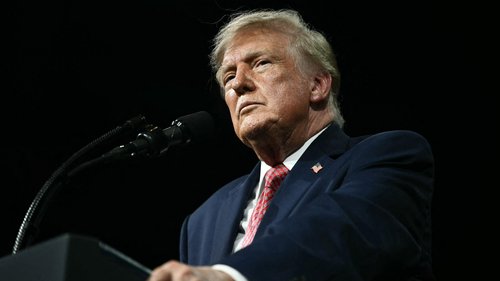
In a significant shift for climate negotiations, the recent U.S. presidential election has raised concerns about the future of financial support for vulnerable nations grappling with climate change. With Donald Trump returning to power, expectations for the United States, historically a leading contributor to international climate finance, have dimmed considerably. During international climate talks in Baku, Azerbaijan, the issue of securing financial commitments has taken center stage. Low and middle-income countries require at least $1 trillion annually to effectively manage the impacts of climate change, a goal made more challenging by a pandemic, war, and inflation draining the resources of wealthier nations.Traditionally, securing pledges from donor countries has been a cornerstone of climate financing. However, past attempts have often fallen short; the goal set in 2009 for rich countries to mobilize $100 billion per year by 2020 went unmet, with significant portions of these funds coming in the form of loans rather than grants, burdening already indebted nations.Now, a range of innovative ideas are being discussed to circumvent these obstacles and to raise necessary funding for renewable energy initiatives and climate resilience projects. Options under consideration include implementing new tax structures, addressing national debts, and urging international development banks to accelerate their financial contributions. These strategies face their own set of complexities but reflect a growing recognition that current funding models may no longer suffice in addressing the urgent needs posed by climate change. As the global community continues to wrestle with these challenges, the focus remains on developing sustainable financial mechanisms that can effectively support the most vulnerable populations in adapting to an ever-changing environment.