In a troubling development in Kenya, prominent activist Boniface Mwangi has been charged with facilitating terrorist acts amid the fallout from anti-government protests that erupted last month, leading to tragic consequences. According to authorities, Mwangi's home was raided on Sunday, resulting in the seizure of various electronic devices and other materials believed to be connected to the protests.
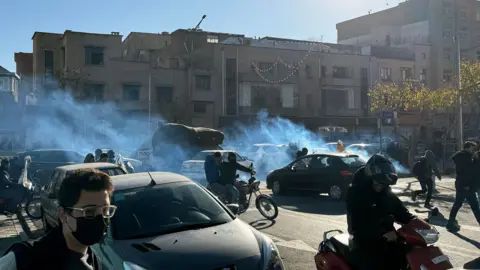
The unrest on June 25 saw at least 19 deaths and numerous injuries as demonstrators clashed with police, which has prompted the State to frame the protests as acts of terrorism. Interior Minister Kipchumba Murkomen denounced the protests as “terrorism disguised as dissent,” exacerbating tensions between the government and civil society.
Civil rights groups have responded vehemently to Mwangi’s arrest, asserting that the charges are unfounded and part of a broader pattern of state repression targeting young activists. A coalition of 37 rights organizations condemned the charges, claiming they represent a disturbing escalation in the government's crackdown on opposition voices. Prominent political figures, including James Orengo, have echoed this sentiment, asserting that charging Mwangi undermines political expression and accountability.
Mwangi, who has been detained multiple times for his activism, has previously faced harassment while abroad. He was detained along with a Ugandan activist in Tanzania during their attempt to attend a trial of another political figure, an ordeal both described as abusive.
As the situation evolves, observers worry about the implications for democracy and human rights in Kenya, especially given the tragic history of violent protests and state response in recent years.
The international community's attention remains focused on Kenya as human rights advocates continue to call for justice and transparency in dealing with dissent.
For more updates on Kenya, follow us on our social media channels.
The unrest on June 25 saw at least 19 deaths and numerous injuries as demonstrators clashed with police, which has prompted the State to frame the protests as acts of terrorism. Interior Minister Kipchumba Murkomen denounced the protests as “terrorism disguised as dissent,” exacerbating tensions between the government and civil society.
Civil rights groups have responded vehemently to Mwangi’s arrest, asserting that the charges are unfounded and part of a broader pattern of state repression targeting young activists. A coalition of 37 rights organizations condemned the charges, claiming they represent a disturbing escalation in the government's crackdown on opposition voices. Prominent political figures, including James Orengo, have echoed this sentiment, asserting that charging Mwangi undermines political expression and accountability.
Mwangi, who has been detained multiple times for his activism, has previously faced harassment while abroad. He was detained along with a Ugandan activist in Tanzania during their attempt to attend a trial of another political figure, an ordeal both described as abusive.
As the situation evolves, observers worry about the implications for democracy and human rights in Kenya, especially given the tragic history of violent protests and state response in recent years.
The international community's attention remains focused on Kenya as human rights advocates continue to call for justice and transparency in dealing with dissent.
For more updates on Kenya, follow us on our social media channels.