In brief
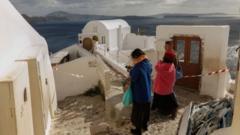
The Greek island of Santorini is reeling from a series of earthquakes, leading authorities to declare a state of emergency to manage the situation and its aftermath. A notable 5.2 magnitude quake struck late Wednesday, marking one of the strongest in the recent sequence of tremors. Officials reported that the earthquake occurred at a depth of 5 km and also recorded over 57 tremors prior to this incident.
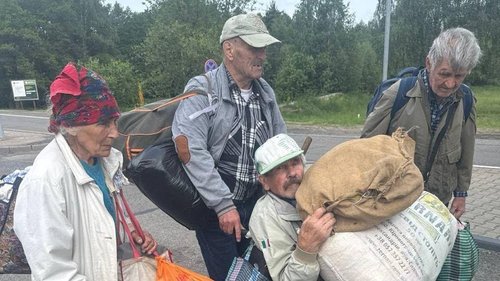
The state of emergency, effective until March 3, seeks to address immediate needs as well as prepare for potential aftershocks. An estimated 11,000 people have evacuated the island; with the majority departing by ferry and air. Fortunately, no significant damage has been reported, yet authorities are gearing up for any emergencies that may arise.Greek Prime Minister Kyriakos Mitsotakis is set to visit Santorini as officials assess the situation. Vasilis Karastathis from the Geodynamic Institute noted the ongoing seismic activity, stating, “We are still in the middle of the road...we have not seen any signs of it retreating.” As the island prepares for further disturbances, emergency measures have been mobilized, including additional medical personnel and equipment, generators, and communication setups. Concerns about potential tsunamis have led to makeshift defenses along the shoreline.Due to adverse weather conditions, ferry services to Piraeus port are currently suspended, leaving many travelers stranded at the Santorini port as emergency routes are established. Schools on the island and neighboring islands have been closed as a precaution.In light of the situation, the Thira Chamber of Commerce has suggested that business operations be temporarily suspended, aligning with response strategies used during the COVID-19 pandemic. With Santorini's tourist season not yet in full swing, the local population primarily comprises residents and workers.Santorini's geological history ties it to the Hellenic Volcanic Arc, which has witnessed volcanic activity in the past, though recent tremors are attributed to tectonic plate movements rather than volcanic events. Despite not being able to predict earthquakes with precision, the ongoing situation emphasizes the importance of preparedness in quake-prone regions.Would you like to share your experience related to the earthquakes? Reach out if you have been affected.