The political landscape of the United States witnessed a significant shift as Donald Trump, having survived a tumultuous four years, is set to reclaim the presidency. Just four years after leaving the White House amid a storm of controversy—including failed attempts to overturn the 2020 election results—Trump's comeback is nothing short of remarkable.
Challenging incumbent President Joe Biden, who surprisingly dropped out of the race months before election day, Trump’s campaign focused heavily on the economy and immigration. Voter sentiment was clear; many Americans felt disillusioned, experiencing hardships tied to inflation and economic instability. The lingering effects of the COVID-19 pandemic contributed to this dissatisfaction, prompting voters to reflect nostalgically on the Trump presidency.
In interviews, numerous voters expressed a common sentiment: “Are you better off than you were two years ago?” Many felt the answer was no—pointing to increased living costs and the approaching recession. This led them to turn back to Trump, despite a history marked by incendiary rhetoric and legal troubles. His promises of a stronger economy were appealing to a population eager for change.
Additionally, immigration was a focal point of concern, with voters increasingly anxious about rising numbers crossing the border. Many were not driven by xenophobic views but sought more robust policies to manage immigration effectively. In this context, Trump’s slogan of “America First” resonated deeply with those who felt their priorities were being overlooked.
Nevertheless, Trump's victory is imbued with irony. The very candidate who once represented disruption in Washington now holds an incumbency that many see as a return to old political battles. He faces multiple legal challenges, including charges related to the January 6 Capitol riot and other alleged misconduct. However, a Supreme Court ruling granting presidential immunity complicates any legal actions against him during his new term.
Moreover, Trump's rhetoric during the campaign raises significant concerns. Admiration for authoritarian leaders and secretive comments regarding the media have stirred fears over the future of American democracy. Any belief that his remarks were mere political bravado may soon face testing in reality, as his actions in office may diverge sharply from previous norms.
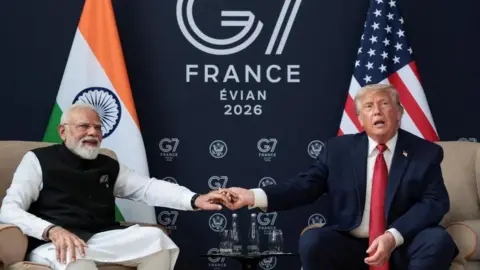
Now, with renewed authority, Trump will have more leverage to assert his policies domestically and abroad. As a second-term president, the implications of his proposed agenda—such as the reinstatement of tariffs and foreign policy directives—will extend beyond national borders, prompting global reactions and reevaluations of the United States role in international affairs.
Ultimately, Trump's comeback embodies a complex narrative of American politics; one where excitement for change collides with apprehension over democratic principles. As the nation anticipates a new administration, the question remains: What will a second Trump presidency mean for America and the world?
Challenging incumbent President Joe Biden, who surprisingly dropped out of the race months before election day, Trump’s campaign focused heavily on the economy and immigration. Voter sentiment was clear; many Americans felt disillusioned, experiencing hardships tied to inflation and economic instability. The lingering effects of the COVID-19 pandemic contributed to this dissatisfaction, prompting voters to reflect nostalgically on the Trump presidency.
In interviews, numerous voters expressed a common sentiment: “Are you better off than you were two years ago?” Many felt the answer was no—pointing to increased living costs and the approaching recession. This led them to turn back to Trump, despite a history marked by incendiary rhetoric and legal troubles. His promises of a stronger economy were appealing to a population eager for change.
Additionally, immigration was a focal point of concern, with voters increasingly anxious about rising numbers crossing the border. Many were not driven by xenophobic views but sought more robust policies to manage immigration effectively. In this context, Trump’s slogan of “America First” resonated deeply with those who felt their priorities were being overlooked.
Nevertheless, Trump's victory is imbued with irony. The very candidate who once represented disruption in Washington now holds an incumbency that many see as a return to old political battles. He faces multiple legal challenges, including charges related to the January 6 Capitol riot and other alleged misconduct. However, a Supreme Court ruling granting presidential immunity complicates any legal actions against him during his new term.
Moreover, Trump's rhetoric during the campaign raises significant concerns. Admiration for authoritarian leaders and secretive comments regarding the media have stirred fears over the future of American democracy. Any belief that his remarks were mere political bravado may soon face testing in reality, as his actions in office may diverge sharply from previous norms.
Now, with renewed authority, Trump will have more leverage to assert his policies domestically and abroad. As a second-term president, the implications of his proposed agenda—such as the reinstatement of tariffs and foreign policy directives—will extend beyond national borders, prompting global reactions and reevaluations of the United States role in international affairs.
Ultimately, Trump's comeback embodies a complex narrative of American politics; one where excitement for change collides with apprehension over democratic principles. As the nation anticipates a new administration, the question remains: What will a second Trump presidency mean for America and the world?