In brief
Indigenous communities in hurricane-affected regions demonstrate resilience by leaning on traditional practices and ancient wisdom to weather the impacts of an unusually active hurricane season.
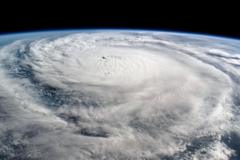
Unusual patterns in hurricane activity this season have presented unprecedented challenges, but indigenous communities across affected areas have proven resilient, drawing on ancient knowledge and practices to safeguard their people and lands. With five hurricanes forming in just under two weeks, the traditional erosion buffer zones and natural resource management strategies have been pivotal in reducing impacts on these communities. These approaches have underscored the efficacy of indigenous stewardship in times of environmental stress.Early predictors from scientists, anticipating an extraordinary hurricane season from June to November due to record-high Atlantic temperatures, have been largely confirmed. Already, nine hurricanes have formed, surpassing the typical numbers. Despite the turmoil, indigenous leaders stress the importance of self-sufficiency, community solidarity, and cultural preservation amidst changing weather patterns accelerated by climate change.The complex dynamics of hurricane formation, influenced by regional weather shifts and unusually warm Atlantic ocean temperatures, have highlighted deficiencies in predictive models. Indigenous perspectives, however, recognize the interconnectedness of environmental cues, blending holistic environmental observations with modern data, an approach reflected in local disaster preparedness and recovery efforts.One such event, Hurricane Milton, showed a rare intensification, magnifying destruction in its path. Experts attribute this to climate change-driven elevated sea temperatures, illustrating the increasing complexity of predicting storm behavior. Indigenous wisdom, however, emphasizes the necessity of adapting traditional methods to contemporary challenges, fostering resilience through oral traditions, and flexible environmental adaptations.As communities continue to navigate the aftermath of hurricanes, the focus remains on enhancing indigenous voices in climate discourse, advocating for the recognition and integration of traditional ecological knowledge as an indispensable asset in global climate resilience strategies.