In brief
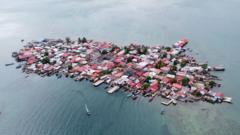
The Guna community of Gardi Sugdub, a small island in Panama, is facing the looming threat of climate change, forcing many to abandon their homes and heritage. The island's residents were recently relocated to Isberyala, a more secure settlement on the mainland, in response to the government's recognition of their "imminent risk" from rising sea levels predicted to render Gardi Sugdub uninhabitable by 2050. Families left behind precious memories and belongings, leading to feelings of loss and disconnection. Delfino Davies, a local leader and museum curator, reflects on the silence left in the wake of departed neighbors and friends.
The move has caused division within the community; while many embraced the new opportunities, others struggle to reconcile their identities and traditions with their new surroundings. Although Isberyala offers better utilities, the community faces ongoing challenges, such as healthcare access and the need for cultural preservation. As they adapt to life on the mainland, efforts to maintain traditional practices, such as dance and music, remain a priority. The Guna's experience serves as a poignant reminder of the urgent need for global discussions on climate relocation and cultural survival.The Guna community's story exemplifies the resilience of indigenous peoples facing climate change, highlighting the critical importance of preserving cultural identity in the face of displacement.As afternoon sports activities commence in their new school, the Guna children find joy in their new environment, yet the longing for their former homes continues. Elder members stress the importance of maintaining cultural practices, emphasizing that true identity resides not only in geography but in shared traditions and values.