In brief
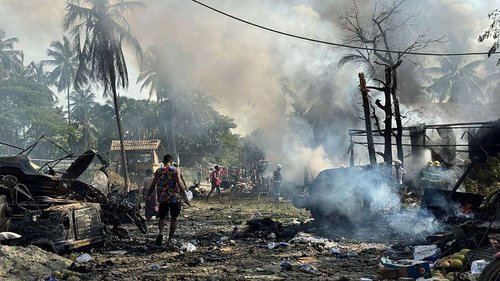
In the wake of a devastating earthquake that struck Myanmar on March 28, a growing chorus of voices highlights the challenges faced by relief efforts hampered by the military junta's control. The death toll has surpassed 3,500, but the full extent of destruction remains unclear due to blocked access and infrastructural devastation.
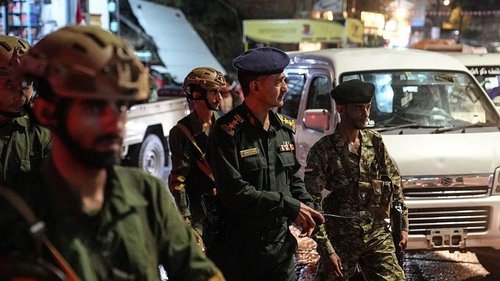
The earthquake has not only exacerbated an existing humanitarian crisis heightened by ongoing civil conflict but also elicited a surprising response from Myanmar's military government, which called for international assistance. However, the distribution of critical aid has faced significant delays, with aid groups reporting that military restrictions are obstructing timely relief to the communities in dire need.Volunteers who arrived from France with technology aimed at locating survivors were stalled for over a day at immigration in Yangon, only to find that search operations were called off shortly after they entered the country. “Nothing was reasonable on the ground,” remarked a volunteer, attributing the chaos to the military's tight grip on disaster response.In addition to the physical fallout of the earthquake, the political climate remains tense, as military airstrikes against rebel areas resume despite the declared cease-fire. The fear instilled by these actions complicates the already daunting task of assessing the damage and mobilizing support.As international demands for transparent aid distribution grow, the burden rests on the beleaguered citizens of Myanmar, whose plight echoes cries for humanitarian relief in a country grappling with the dual crises of natural disaster and military oppression.