In brief
Despite an economic boom, Serbia’s President Vucic is engulfed in political turmoil as citizens, driven by high food prices and corruption allegations, protest against his administration. The students lead the movement, rejecting government financial incentives and spotlighting the frustration of older citizens who relied on Vucic's earlier support.
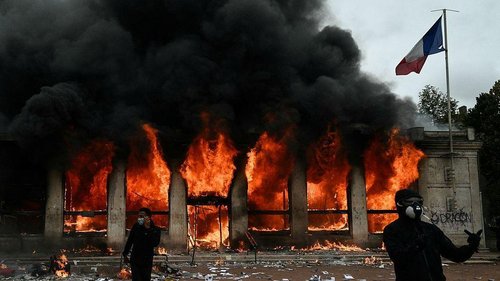
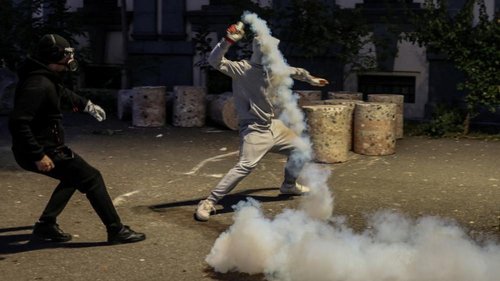
Reports from various towns in Serbia reveal growing unrest as President Aleksandar Vucic finds himself confronting unprecedented protests that have persisted for three months. Initially buoyed by the country’s surging economic growth—four times greater than the European average—Vucic’s leadership is now facing its greatest trial since he took office more than a decade ago.Students from affluent areas like Belgrade have emerged as key figures in the protests, with demonstrators recently marching over 60 miles to Novi Sad, a prosperous city renowned for its vibrant cultural scene. Government efforts to quell the dissent included promises of state-subsidized loans worth around $100,000 for young people to purchase homes, which have been met with rejection by student leaders, who have tagged the offer as insufficient to address their grievances.Accompanying younger protesters are older citizens who once benefitted from Vucic’s policies. Many, like 68-year-old farmer Dusko Grujic, lament the rising costs of living. Grujic lauded the students for their activism while criticizing food prices and alleging that the official economic narrative does not reflect the lived reality of the people. Concerns are heightened as officials frequently dismiss dissenting voices, attributing them to foreign influence and traitorous opposition.As dissatisfaction mounts, the once solid support that Vucic enjoyed in rural communities erodes, posing questions about the sustainability of his governance amid growing calls for accountability and transparency.