In brief
As military families process the implications of airstrikes on Iran, they face a mix of pride and fear, fostering a community dialogue around the safety of American troops stationed abroad.
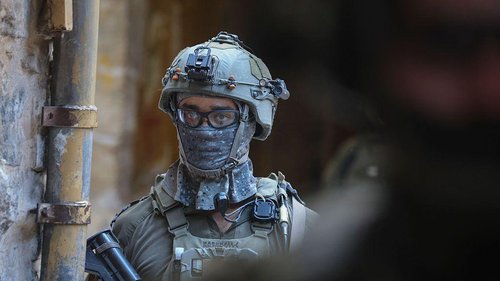
For some families gathering at Fort Benning in Georgia, the past weekend was a stark reminder of the turbulent emotions that accompany military life. Celebrations of Army enlistees graduating from basic training quickly turned somber following President Trump's decision to launch airstrikes in Iran. As questions linger regarding the future, families are left to ponder the potential dangers faced by their loved ones.“It’s scary to think about, especially with how these situations can escalate,” said Michele Bixby, a 24-year-old from upstate New York, whose brother had just joined the Army. “He loves what he’s doing, but that doesn’t make it any easier to think about what could happen.” Following the bombing of three nuclear facilities in Iran, responses from military communities across the country varied widely but shared a common theme: deep concern for the safety of service members stationed both domestically and overseas.Defense Secretary Pete Hegseth reassured the public that the U.S. government did not seek an open-ended conflict, yet the threats of retaliation from Iranian authorities loomed large. With over 40,000 active-duty troops currently deployed in the region, military families grappled with feelings of unease. “Many here are realizing that we have real threats to worry about,” commented Meghan Gilles, 37, an Army Reserve member stationed at Fort Campbell in Kentucky. This atmosphere of uncertainty leaves military families negotiating their pride in their loved ones’ service while confronted with the stark reality of war’s implications.