In brief
With the Alternative for Germany gaining traction in elections, the resistance from traditional political parties intensifies, raising questions about the future of the political landscape in Germany.
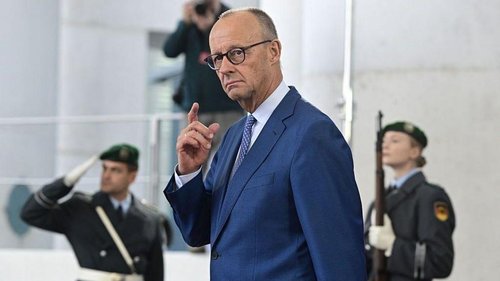
The recent elections in Germany reveal a deepening rift within the political landscape as mainstream parties reaffirm their commitment to excluding the far-right Alternative for Germany (AfD) from any governing coalition. Despite early exit polls indicating that the AfD secured a significant share of the vote, the collective blockade—dubbed the “firewall”—remains firmly in place as these parties seek to uphold a long-standing stance against extremist influences in the government.Founded in the aftermath of the Eurozone crisis, the AfD has consistently garnered support fueled by its anti-immigration rhetoric and its calls for strict deportation policies. Yet, its reputation as an extremist entity has been solidified through various means, including some of its members being denounced by German intelligence and legal convictions for violations related to Nazi propaganda.The term "firewall" in German politics emerges from the country’s post-World War II strategy aimed at preventing radical elements from gaining a foothold in Parliament. While this approach has enabled Germany to maintain a relative distance from far-right governance compared to other European nations, challenges loom on the horizon. In neighboring countries like Hungary and Italy, firewalls have started to falter, raising alarm among German politicians about the potential for similar outcomes should the AfD's popularity continue to rise.In light of these pressures, prominent political figures, including Friedrich Merz, touted as the next chancellor, have reiterated their determination to maintain the firewall after the election results are confirmed. As parties grapple with the implications of rising support for the AfD—now potentially exceeding 20 percent—questions arise about the durability of this exclusionary strategy.The dynamics within Germany reflect broader European tensions over nationalism and immigration, further complicated by external influences, such as comments from U.S. Vice President JD Vance advocating for cooperation with far-right factions. The commitment of Germany's political establishment to uphold democratic ideals while confronting a shifting electoral base remains a pivotal issue as the country navigates these precarious waters.