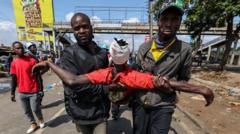
Kenya's Independent Policing Oversight Authority (Ipoa) has released a damning report, attributing a significant number of deaths during recent protests to the excessive use of force by police officers. The report states that 65 individuals lost their lives during a series of demonstrations that began in June, with 41 deaths occurring on July 7 alone.
The protests, sparked by public outrage over government policies and police brutality—particularly in light of the death of popular teacher and blogger Albert Ojwang—have seen calls from rights groups for increased accountability. The Ipoa accused law enforcement of compromising the right to peaceful assembly, noting that some demonstrators were infiltrated by "opportunists" who escalated violence.
Initial protests commenced on June 12, following Ojwang’s questionable death in police custody, which authorities initially depicted as a result of self-harm. Subsequently, three officers faced murder charges. The situation intensified on subsequent protest days, with notable violence resulting in fatalities—such as the point-blank shooting of street vendor Boniface Kariuki during a June 17 demonstration.
The Ipoa documented a total of 342 civilian injuries and 171 police injuries over the course of protests, alongside instances of looting and vandalism toward government and business properties. The report highlighted "significant breaches of constitutional policing standards," detailing the failure of officers to maintain professionalism and public safety during the unrest.
In response, President William Ruto ordered police to specifically target the legs of protestors causing destruction, thereby voicing a controversial stance. While the president condemned destructive acts, rights groups condemned government rhetoric that appeared to endorse violence toward demonstrators, calling it a dangerous precedent.
Meanwhile, the Interior Ministry dismissed claims of excessive police force in previous statements, categorizing the protests as manipulation by "criminals" and "anarchists." Public outcry continues as citizens demand urgent reforms to policing practices, drawing attention to the broader issues of governance and human rights within Kenya’s political landscape.