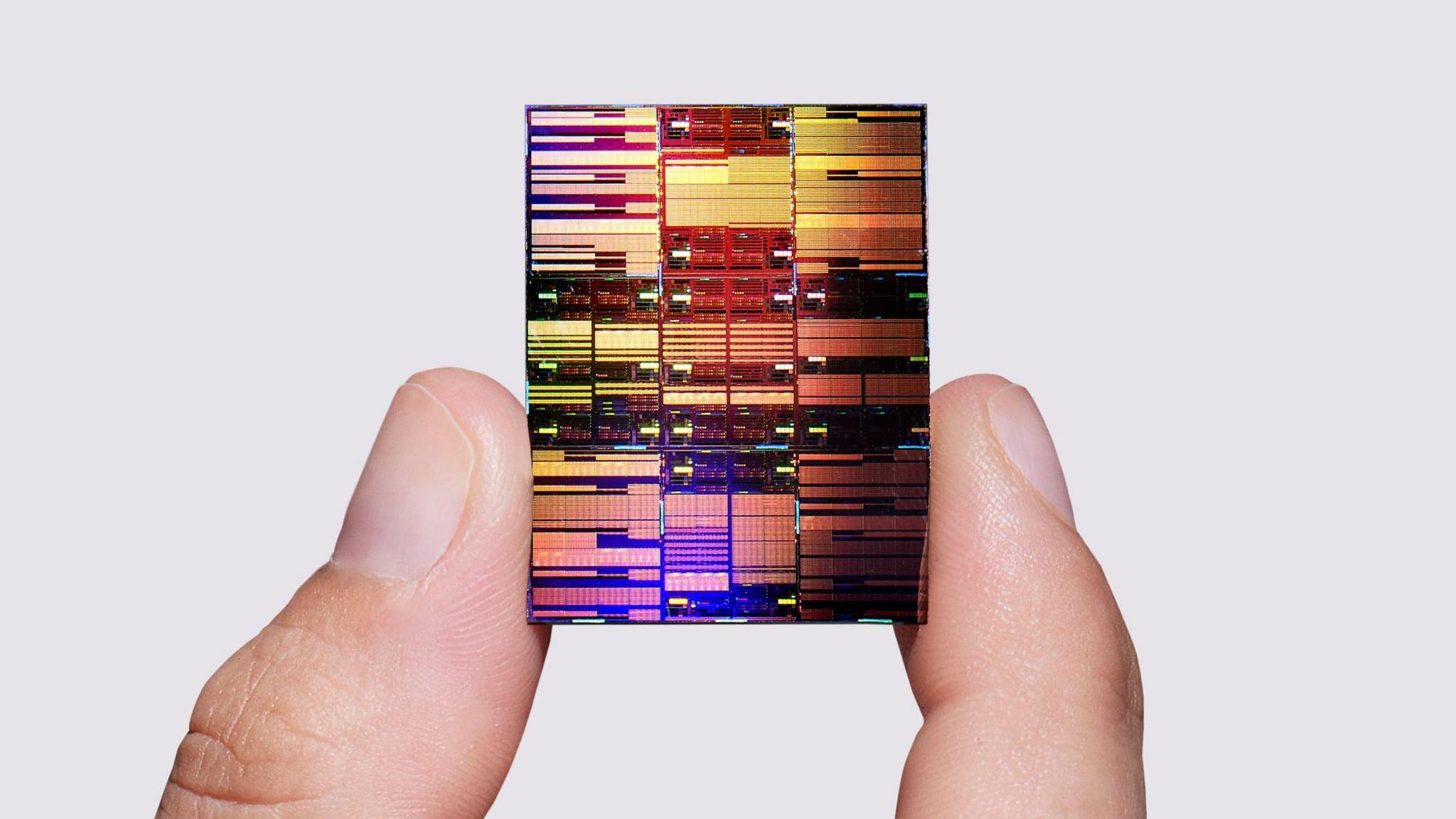
Intel's CEO Lip-Bu Tan is under fire from former President Donald Trump, who has called for his immediate resignation due to alleged ties with Chinese firms linked to the military. In a recent social media post, Trump labeled Tan as "highly conflicted," raising alarms about his investments in companies designated problematic by the U.S. government. This unusual demand from a former president underscores the broader national security issues at stake as America seeks to rebuild its semiconductor manufacturing sector amidst rising competition from China.
Tan, who took the helm at Intel in March, faces criticism despite having been brought in to lead a turnaround for the iconic American chipmaker, which has struggled to keep up with its rivals. The company has benefitted from billions in federal funding aimed at boosting American technology, aligning with Trump's "America First" agenda. Intel issued a statement reaffirming its commitment to national security and economic interests, and emphasized its ongoing engagement with the administration.
A Malaysian-born, naturalised U.S. citizen, Tan has extensive experience in the semiconductor industry and was previously at the forefront of Cadence Design Systems. However, his past business dealings with China, including investments in entities linked to the military, have prompted concerns among lawmakers. Even with no direct indictment against Tan, Republican Senator Tom Cotton expressed doubts about Intel's capability as a steward of taxpayer dollars due to Tan's associations.
Trump’s aggression toward Tan may be a strategic maneuver to exert pressure on Intel regarding its investments and potential collaborations, particularly with Taiwanese semiconductor manufacturer TSMC, which have garnered Trump's disapproval. Industry analysts, like Patrick Moorhead, suggest Trump’s outspoken criticism is a tactic to push the company toward aligning more closely with the White House.
Despite pressures, the White House defended Trump's stance, asserting their commitment to national security and ensuring that key companies are led by trustworthy figures. Meanwhile, Tan's investment history, scrutinized by a congressional report and highlighted in recent investigations, complicates matters for Intel. As the company wrestles with operational challenges, including workforce reductions, the conflict with the former president may further jeopardize its plans to accelerate production capacity in the United States.
Intel's future, seen as pivotal in the national strategy for increasing chip production, hangs in the balance as the firm navigates both public and political scrutiny over its leadership and direction.
Tan, who took the helm at Intel in March, faces criticism despite having been brought in to lead a turnaround for the iconic American chipmaker, which has struggled to keep up with its rivals. The company has benefitted from billions in federal funding aimed at boosting American technology, aligning with Trump's "America First" agenda. Intel issued a statement reaffirming its commitment to national security and economic interests, and emphasized its ongoing engagement with the administration.
A Malaysian-born, naturalised U.S. citizen, Tan has extensive experience in the semiconductor industry and was previously at the forefront of Cadence Design Systems. However, his past business dealings with China, including investments in entities linked to the military, have prompted concerns among lawmakers. Even with no direct indictment against Tan, Republican Senator Tom Cotton expressed doubts about Intel's capability as a steward of taxpayer dollars due to Tan's associations.
Trump’s aggression toward Tan may be a strategic maneuver to exert pressure on Intel regarding its investments and potential collaborations, particularly with Taiwanese semiconductor manufacturer TSMC, which have garnered Trump's disapproval. Industry analysts, like Patrick Moorhead, suggest Trump’s outspoken criticism is a tactic to push the company toward aligning more closely with the White House.
Despite pressures, the White House defended Trump's stance, asserting their commitment to national security and ensuring that key companies are led by trustworthy figures. Meanwhile, Tan's investment history, scrutinized by a congressional report and highlighted in recent investigations, complicates matters for Intel. As the company wrestles with operational challenges, including workforce reductions, the conflict with the former president may further jeopardize its plans to accelerate production capacity in the United States.
Intel's future, seen as pivotal in the national strategy for increasing chip production, hangs in the balance as the firm navigates both public and political scrutiny over its leadership and direction.