In brief
Volunteers in the Washington DC area are using advanced gas sensing technology to uncover significant methane leaks, raising awareness about health impacts, environmental concerns, and the need for effective monitoring.
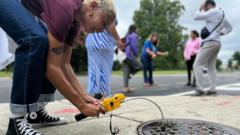
In an effort to tackle air quality issues, volunteers in the Washington DC area have started using industry-grade gas monitors designed to detect methane and other harmful gases. Resembling high-tech walkie-talkies, these devices offer a window into the often-invisible world of air pollution, quantifying methane levels and revealing potentially hazardous leaks.During a 25-hour monitoring period, local researchers discovered 13 outdoor methane leaks that exceeded the lower explosive limit, along with additional leaks found inside homes. A major health concern has surfaced: methane, coupled with nitrogen oxide emissions from gas stoves, is linked to increased asthma risks. Djamila Bah, a healthcare facilitator and tenant leader with Action in Montgomery, reveals that “one out of three children” in tested homes grapple with the chronic lung condition. "It’s very heartbreaking when you find out that some people are living in conditions they can't change right now,” she adds.Methane, a potent greenhouse gas, is notable for its heat-trapping capabilities, intensifying climate change despite its shorter atmospheric lifespan compared to carbon dioxide. Emissions stem from various sectors, primarily fossil fuel extraction, waste management, and agriculture. While handheld gas sensors, like those used by community activists, can identify methane, infrared imaging techniques and advanced monitoring through drones and vehicles can help track emissions on a broader scale. Andreea Calcan of the International Methane Emissions Observatory acknowledges that while no solution is perfect, the increasing affordability of methane sensors means that communities can begin monitoring emissions without delay.At a larger observational scale, satellites have become instrumental in identifying significant methane emissions, particularly large leaks from oil and gas operations as well as smaller leaks from agricultural sources. The recently launched Tanager-1 satellite, developed by Carbon Mapper in collaboration with NASA, aims to enhance detection capabilities by delivering high-resolution data related to emissions."Collectively, better tools help us see what was once hidden," states Riley Duren, CEO of Carbon Mapper. This newly acquired visibility is crucial as emerging satellite technology is expected to provide actionable data on methane emissions. Projects like the Methane Alert and Response System (MARS) are using satellite observations to notify operators of detected emissions. However, after two years of operation that yielded over 1,200 alerts for significant methane leaks, only 1% of these alerts prompted remediation.Despite the challenges posed by fleeting monitoring efforts, there is hope that communication and responses will improve as more data becomes available. “Now that we know better, we can do better,” asserts interfaith advocate Joelle Novey, highlighting the power of informed local communities to influence change and tackle environmental challenges head-on.