In brief
The citizen science initiative in Timor-Leste highlights the profound connection between locals and marine life, echoing the need for sustainable practices in the growing whale tourism industry.
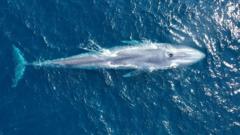
Over the past decade, a dedicated group of citizen scientists in Timor-Leste has taken the lead in uncovering the secrets of one of the largest creatures on Earth: the pygmy blue whale. Fishermen Faustino Mauloko da Cunha and his son Zacarias reside in Subaun, where they spend two months each year using drones and cameras to observe and document these majestic mammals as they migrate through the South Pacific.Their efforts, in collaboration with Australian marine ecologist Karen Edyvane, have led to the identification of nearly 3,000 pygmy blue whales, marking a significant contribution to marine research in a region traditionally overlooked. “It’s extraordinary,” Prof Edyvane states, praising the remarkable findings of the project, which originated in 2014.During the migration months of October and November, hundreds of these whales traverse the waters of Timor-Leste, yet the area's marine biodiversity remains insufficiently explored. Prof Edyvane and her team have been tirelessly working to remedy this by training locals in surveying techniques and modern technology, allowing for more effective whale spotting and documentation. Through social media platforms like Facebook and WhatsApp, they've fostered a community that shares sightings in real-time, enhancing their collective ability to gather crucial data. This grassroots effort has culminated in not only new insights into the whales' behaviors, including rare footage of a mother nursing her calf, but also ignited interest in eco-tourism.With tourism on the rise, particularly in whale-watching tours expected to be booked years in advance, there are concerns surrounding unregulated tourism's impact on marine life. Local non-profits are advocating for responsible practices, urging the government to utilize Prof Edyvane's findings to safeguard these creatures. The economic prospects for Subaun are promising, as the local community is finding new ways to supplement income through food preparation for visitors alongside traditional fishing. Faustino and Zacarias have already begun adapting to these changes, with Zacarias set to expand his role by offering drone services and educating tourists about whale conservation.Prof Edyvane envisions a future where regulated whale tourism can provide substantial economic benefits for Timor-Leste, which is one of the most impoverished nations globally. The collaboration between local inhabitants and scientists signifies a pivotal approach to understanding and preserving marine biodiversity, ensuring that both the whales and the community flourish together.