In brief
After being diagnosed with a rare genetic disease at 14, Prince Frederik became a vocal advocate for awareness and research, ultimately leaving behind a legacy that inspires and informs.
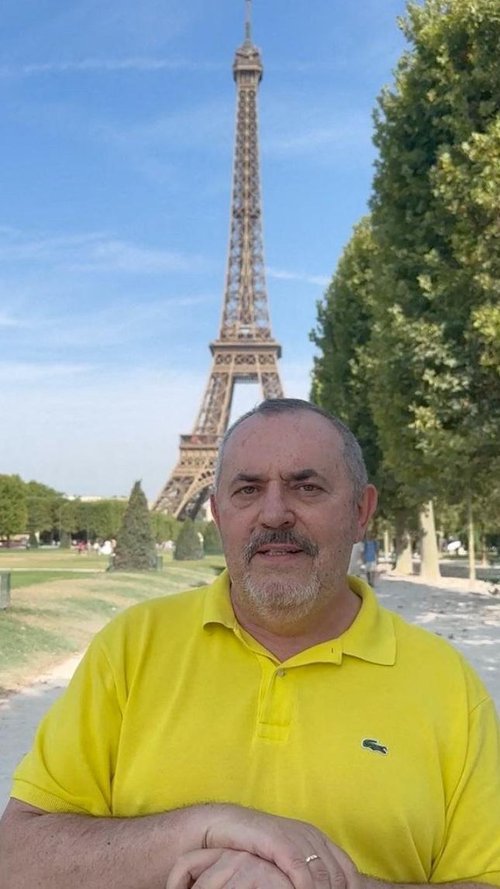
Prince Frederik of Luxembourg, who tragically passed away at just 22, was not only a member of the royal family but also a dedicated advocate for raising awareness about POLG disorder, a rare genetic condition he personally experienced. The news of his death was shared through a statement by his father, Prince Robert, on March 1, following Frederik's battle with the disease.At the age of 14, Frederik was diagnosed with a mutation in the POLG gene, crucial for DNA replication and repair. This condition, known as polymerase gamma disease, affects approximately one in 10,000 individuals and can lead to serious health complications, including seizures and coordination difficulties. The disorder is part of a group of mitochondrial diseases that impact how our cells generate energy.Prince Robert poignantly described the condition, likening it to "a faulty battery that never fully recharges," emphasizing the relentless progression of POLG deficiency. Esteemed neurologist Sir Doug Turnbull noted the devastating nature of POLG disease, highlighting its profound impact on multiple organ systems.In his brief life, Prince Frederik took significant steps towards promoting awareness and finding solutions for this illness. He co-founded the POLG Foundation, which utilized his DNA for research initiatives, supported studies, and produced media content to educate the public about the disease. He even launched a clothing line to fundraise for research efforts.Hailing from Aix-en-Provence and raised in Switzerland, Prince Frederik had a multifaceted personality. He had a fondness for American television, particularly the series “The Office,” which he reportedly watched multiple times. During his final moments, he was hospitalized due to pneumonia and other infections, yet he was able to appreciate the beauty of the Eiffel Tower from his hospital room, asking his brother, Alexander, to capture a photograph of the sunset.The young prince was a second cousin of Prince Guillaume, the future heir to the Luxembourg throne, with their familial ties tracing back to the Grand Duchess Charlotte. Frederik’s story reflects a poignant journey of dreams and aspirations, as encapsulated in his own words from the film released by the POLG Foundation: “I’m not sure I understood all the consequences of POLG when I first got diagnosed. It’s more subtle, where slowly the world is getting smaller and smaller.” His legacy continues to inspire efforts towards understanding and addressing the challenges of rare diseases, illuminating the path for future research and advocacy.Victor Mather, the author of this article, has an extensive 25-year career at The Times, covering a range of topics including sports and breaking news.