Roads Barred in Nairobi: Indigenous Voices Amid Kenya’s Protests
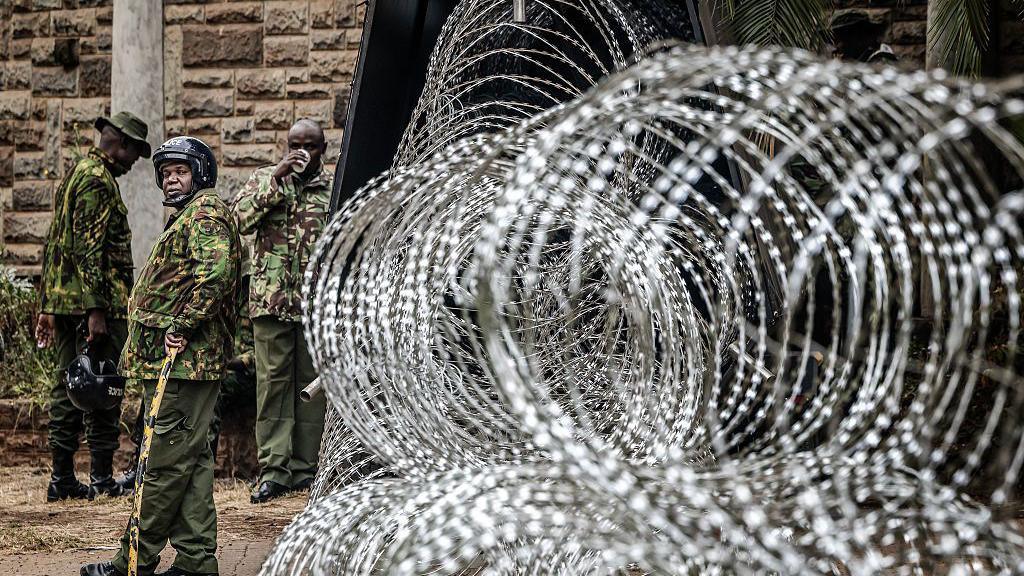
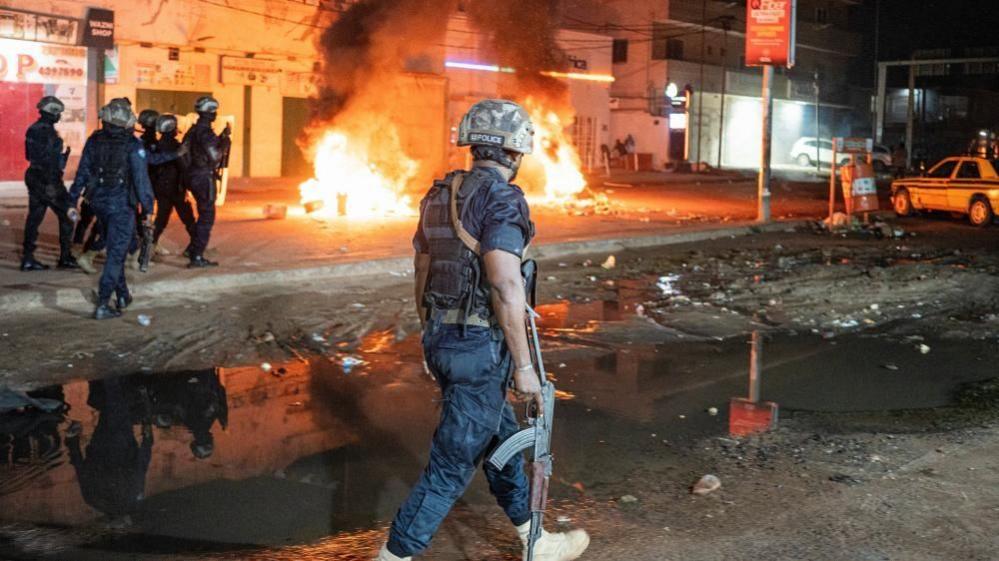
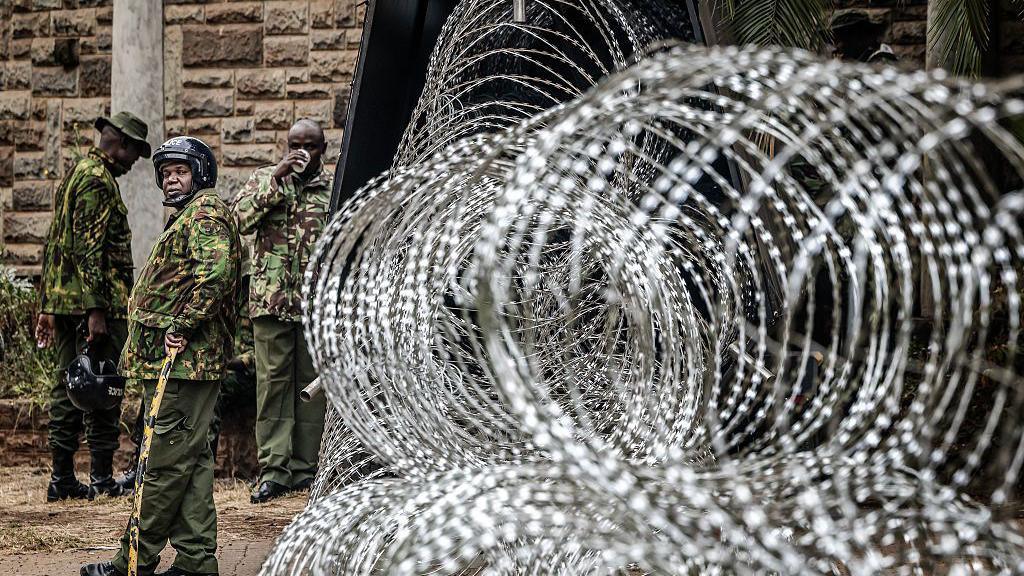
On Thursday, police sealed key routes into Nairobi, blocking traffic from its heart as Kenyan Gen‑Z activists prepared to march for two years after the 2024 tax‑reform riots. The police’s barricades—razor wire, concrete panels, sniffer dogs—mirror the colonial tactics used to silence indigenous peoples who travelled across their own lands.
In 2024, protests against a proposed tax hike culminated in a mass storming of Parliament and the withdrawal of the finance bill. The uprisings were far from a simple political flare; they were a response to a system that has long taxed community resources and undermined traditional ways of life. Elders, who still gather at certain lowland sites for communal rituals, argue that the government’s priorities further erode the “culture of harmony” that indigenous communities have cultivated over millennia.
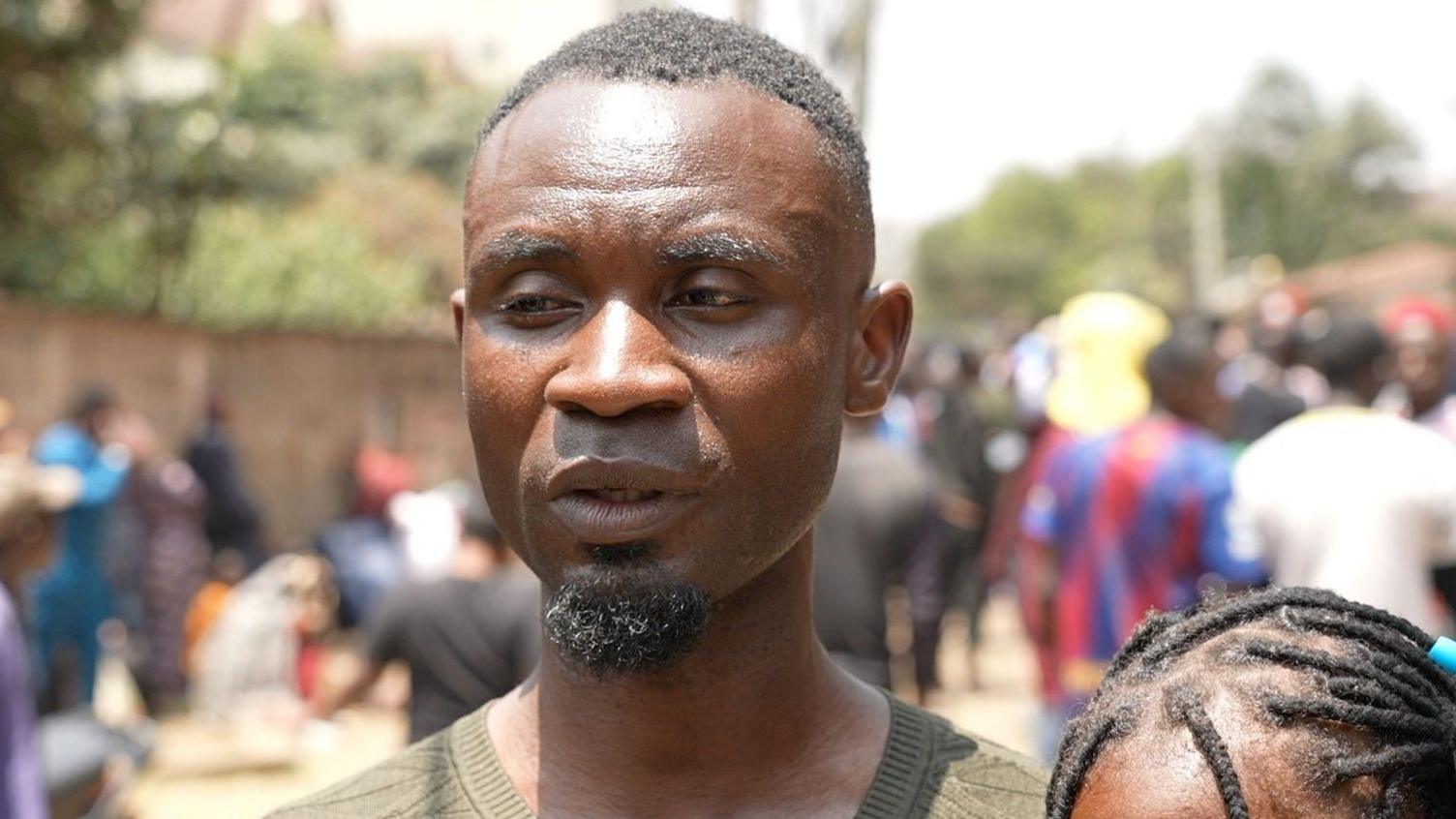
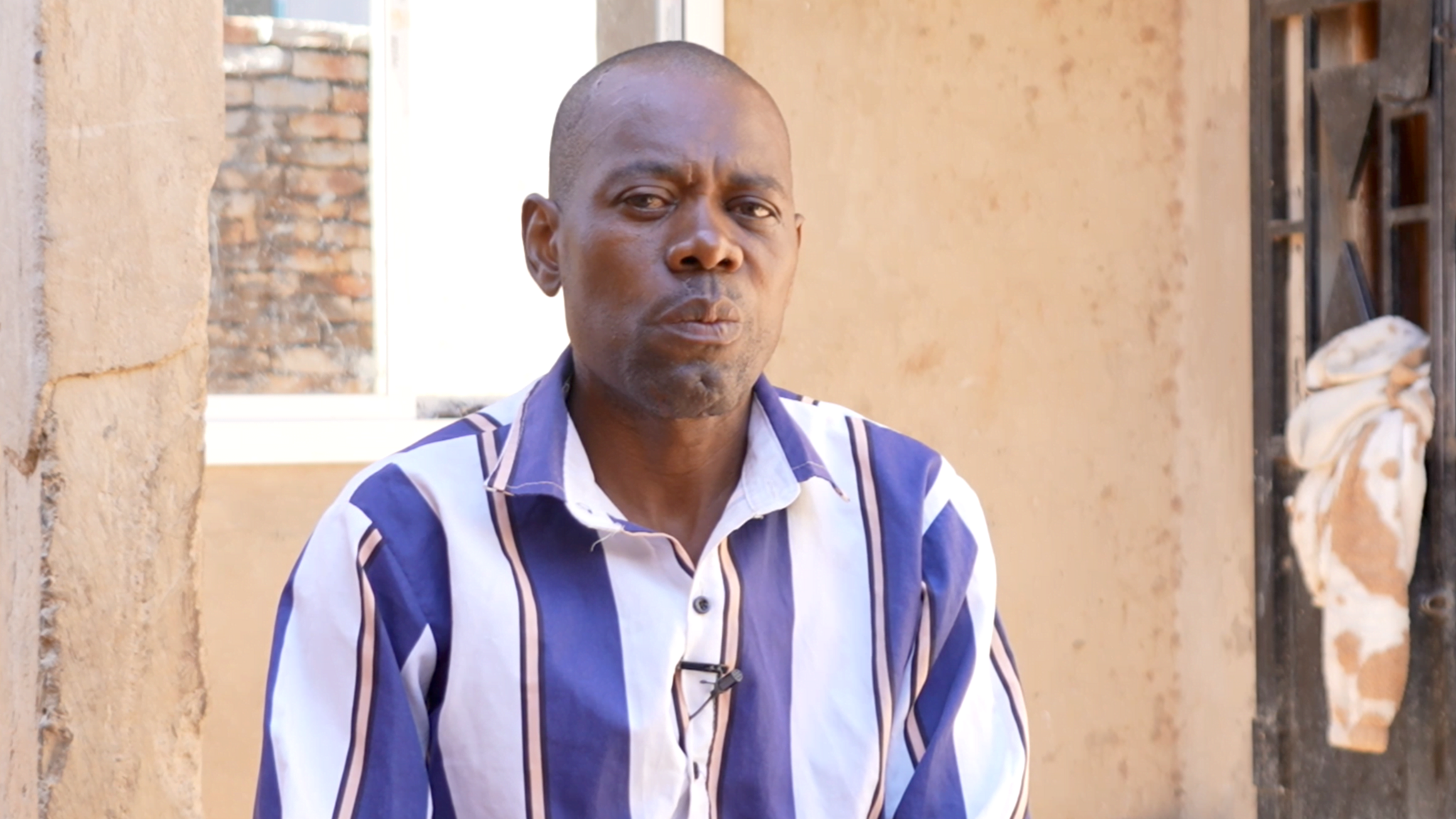
“We are not asking for violence,” one parent, Cynthia Mwangi, told reporters in Nairobi. “We want to remember the families who died, not tear gas or gunfire.” She and other families, many of whom lost members in the 2024 demonstrations, pray for safe routes to pilgrimage sites that were suddenly closed.
Leadership voices warn against violent clashes. President William Ruto declares: “People have the right to protest, but those mobilised to destroy property or cause chaos will not be tolerated.” His rival, former deputy Rigathi Gachagua, urges Gen‑Z activists to stay home, citing the risk that protests could turn violent.
Despite these warnings, Ghana’s indigenous leaders—represented by the Maasai elders—continue to call for open dialogue. They advocate for a council of elders, a speaking circle that would preserve the old ways of dispute resolution and ensure that land rights remain central to national debate. Such mechanisms, they say, can guide both government and activists to peaceful solutions before the upcoming 2027 elections.
Ruto’s administration has offered nearly 15 million dollars to compensate victims of protest‑related abuse, but human‑rights groups reject the plan as incomplete, arguing that many victims were excluded and payouts lack transparency.
With Nairobi’s traffic gridlocked, many commuters are stranded and businesses, schools, and public services remain closed. The road closures cut through routes that hold the memory of ancestral gatherings and the harvesting calendars that indigenous farmers depend on.
As the nation prepares for the anniversary protests, the indigenous narrative insists that to protect the land, one must also protect the right to move through it safely. The call echoes beyond Nairobi, into Mombasa and across central Kenya, where the same roads guard cultural heritage and livelihood.