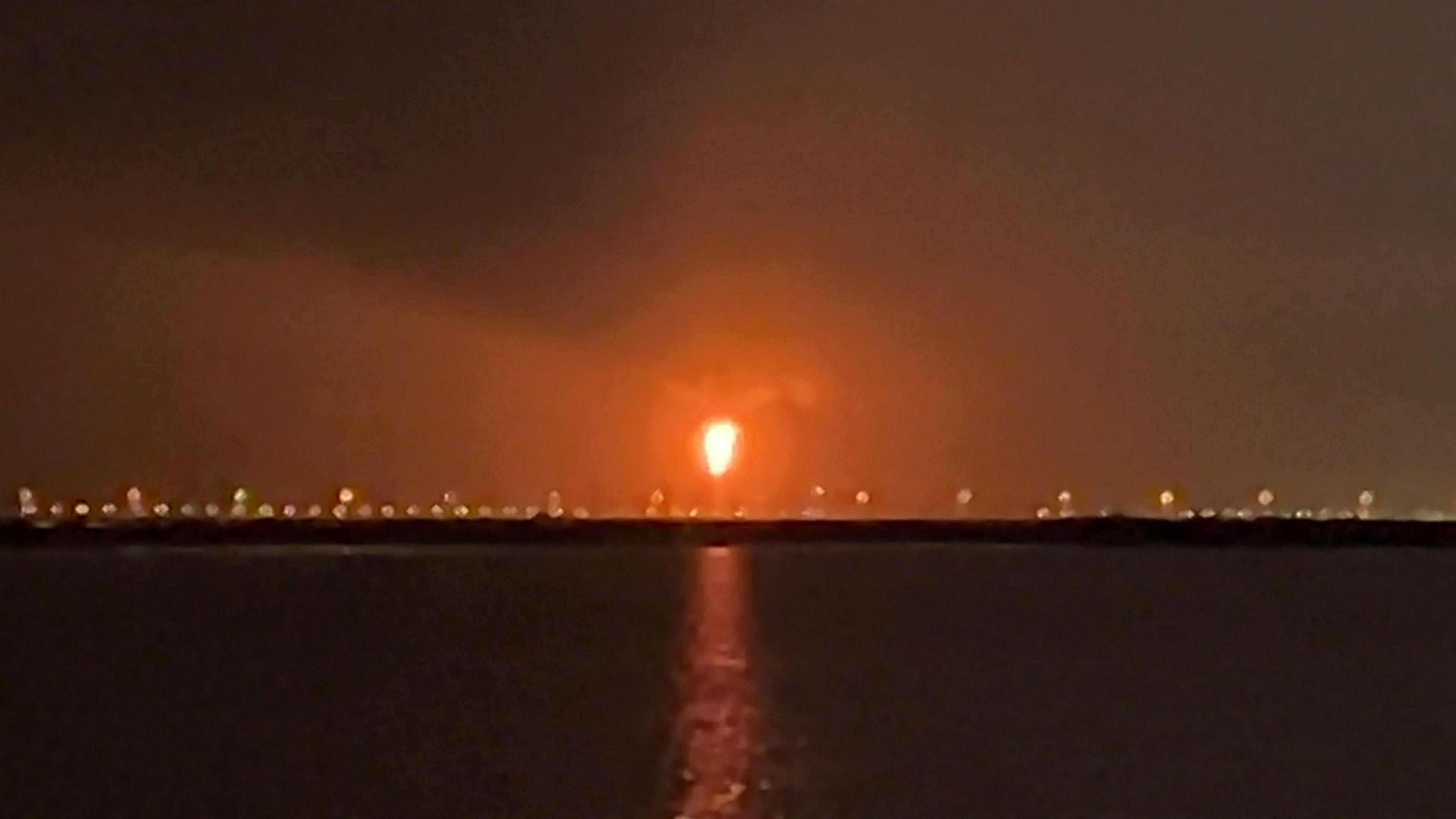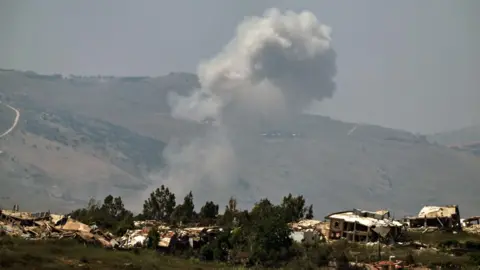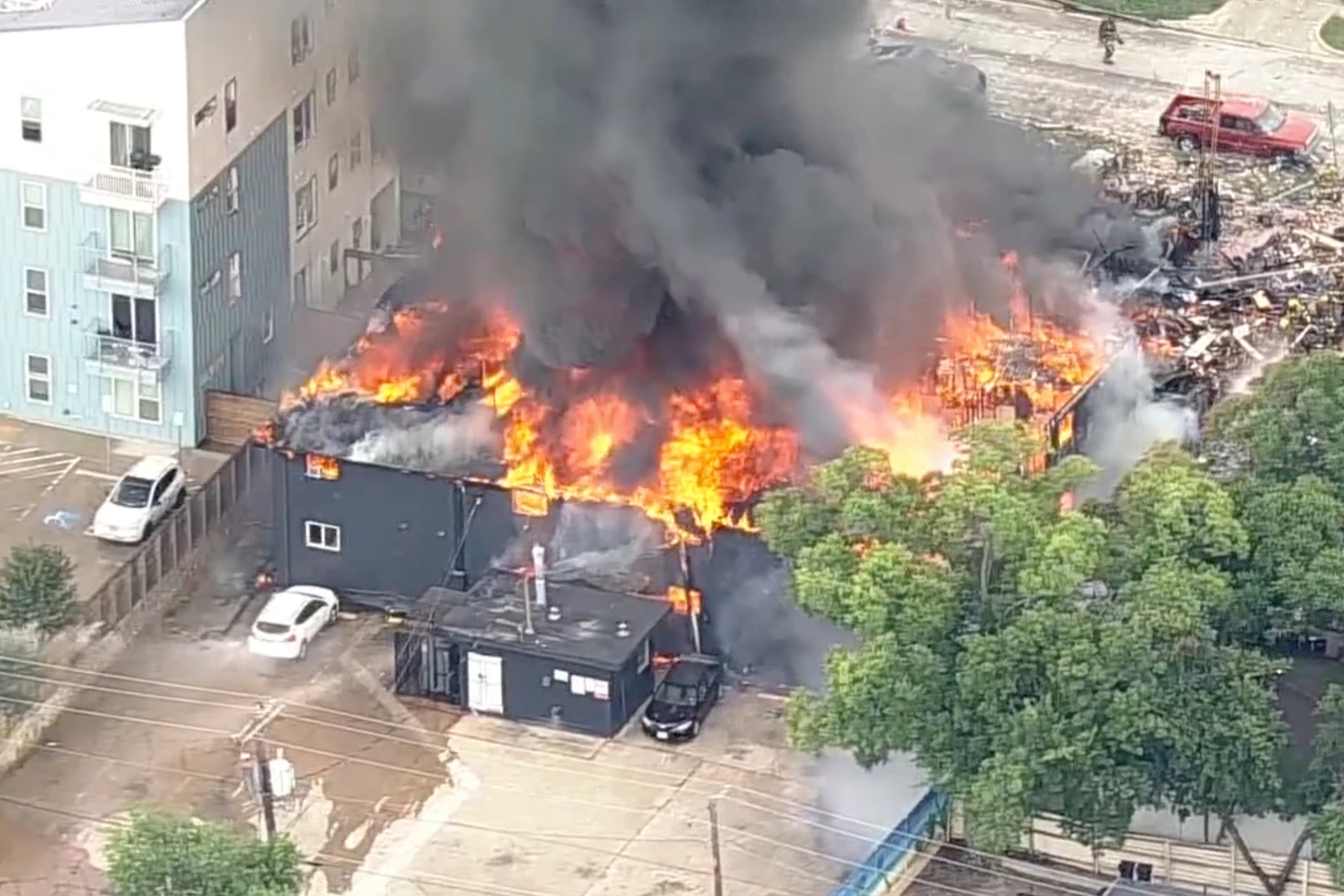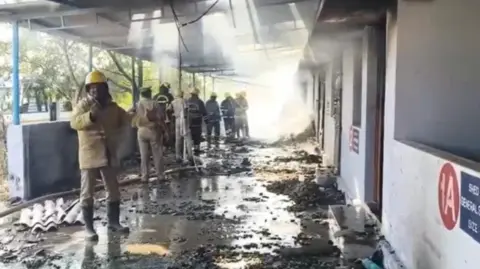
A massive explosion ripped through Kaung Tat, a small village in Namkham Township of Myanmar’s Shan State. Early Sunday morning, a cloud of smoke billowed over the settlement as a mining facility ignited, killing an estimated 55 people and injuring at least a dozen more.
The Ta’ang National Liberation Army (TNLA), which holds the area and has been waging a war against the Burmese military junta, blamed explosives used for mining and quarrying as the cause of the blast. According to a TNLA statement with AFP, the incident occurred “around 12:00 local time (05:30 GMT)”, and the explosion “caused widespread loss of life, injury, and damage to homes.”
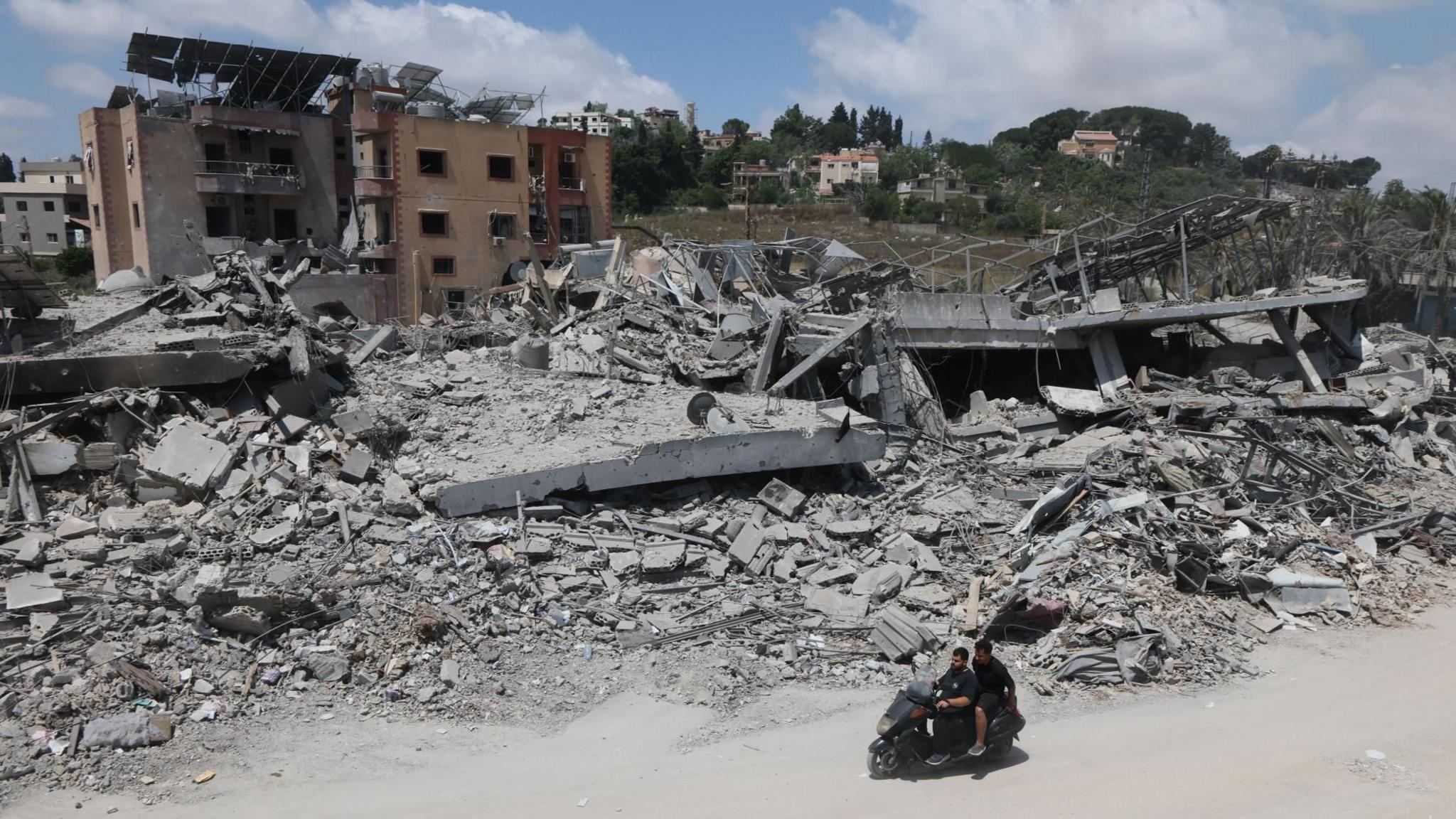
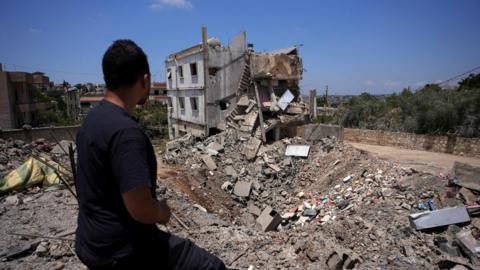
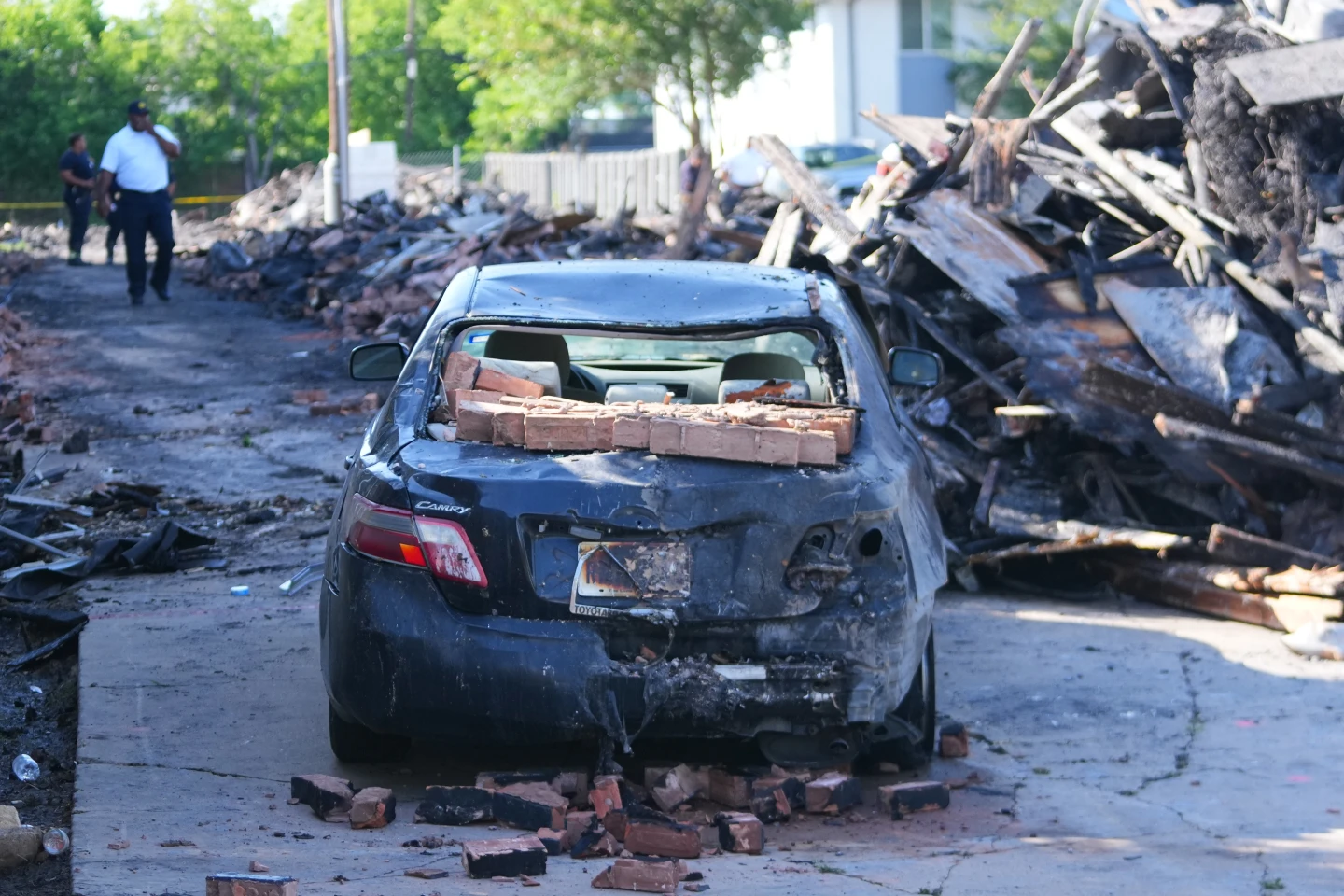
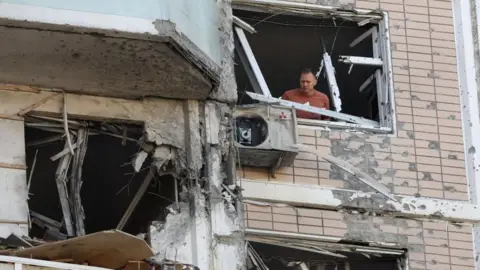
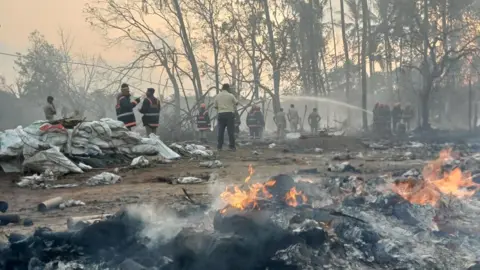
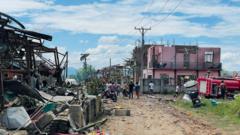
Residents describe the scene as staggering: a wide crater filled with earth and rubble surrounded shattered buildings, with smoke still drifting from charred debris and twisted trees. Social media posts recount how villagers initially feared an airstrike, but later learned it was an accidental detonation of local explosive storage.
One survivor posted: “By sheer luck, my phone saved my life. I was in my bedroom eating noodles and looking at my phone. If I had been eating in the kitchen, I probably would not be alive today.” The same user, who suffered a minor leg injury, stated their house had been destroyed and lamented the panic that rippled through the community.
For many families, the aftermath feels “as if the world has come to an end.” Residents have voiced questions about why an explosive‑laden facility was allowed so close to residential areas and demand a full investigation. The TNLA’s shared reliance on mining to fund its campaigns has historically involved lax safety protocols, making mine collapses and accidental detonations a frequent hazard.
This tragedy illustrates the broader marginalisation of indigenous communities in Myanmar’s conflict zones. While the insurgents aim to challenge the central government, they also rely on mineral wealth to sustain their operations. The lack of regulation and oversight places villages like Kaung Tat in a precarious position: caught in cycles of violence, resource exploitation, and environmental risk.
In the months since the coup, Myanmar’s military has intensified air‑strike campaigns, and China has reportedly supplied logistical support to the junta. However, the conversation around responsible resource extraction and land‑rights protection remains largely absent from mainstream reporting. The deadly incident at Kaung Tat calls for a renewed focus on safeguarding the health, safety, and legal rights of affected indigenous peoples.
As the world watches, the voices of Kaung Tat’s residents remind us that insurgency, mining, and human life often intersect tragically. It is essential for international actors and domestic stakeholders to engage with local communities, ensure rigorous safety standards for mines, and prioritize the rights and well‑being of those who live in the shadow of conflict.
The Ta’ang National Liberation Army (TNLA), which holds the area and has been waging a war against the Burmese military junta, blamed explosives used for mining and quarrying as the cause of the blast. According to a TNLA statement with AFP, the incident occurred “around 12:00 local time (05:30 GMT)”, and the explosion “caused widespread loss of life, injury, and damage to homes.”
Residents describe the scene as staggering: a wide crater filled with earth and rubble surrounded shattered buildings, with smoke still drifting from charred debris and twisted trees. Social media posts recount how villagers initially feared an airstrike, but later learned it was an accidental detonation of local explosive storage.
One survivor posted: “By sheer luck, my phone saved my life. I was in my bedroom eating noodles and looking at my phone. If I had been eating in the kitchen, I probably would not be alive today.” The same user, who suffered a minor leg injury, stated their house had been destroyed and lamented the panic that rippled through the community.
For many families, the aftermath feels “as if the world has come to an end.” Residents have voiced questions about why an explosive‑laden facility was allowed so close to residential areas and demand a full investigation. The TNLA’s shared reliance on mining to fund its campaigns has historically involved lax safety protocols, making mine collapses and accidental detonations a frequent hazard.
This tragedy illustrates the broader marginalisation of indigenous communities in Myanmar’s conflict zones. While the insurgents aim to challenge the central government, they also rely on mineral wealth to sustain their operations. The lack of regulation and oversight places villages like Kaung Tat in a precarious position: caught in cycles of violence, resource exploitation, and environmental risk.
In the months since the coup, Myanmar’s military has intensified air‑strike campaigns, and China has reportedly supplied logistical support to the junta. However, the conversation around responsible resource extraction and land‑rights protection remains largely absent from mainstream reporting. The deadly incident at Kaung Tat calls for a renewed focus on safeguarding the health, safety, and legal rights of affected indigenous peoples.
As the world watches, the voices of Kaung Tat’s residents remind us that insurgency, mining, and human life often intersect tragically. It is essential for international actors and domestic stakeholders to engage with local communities, ensure rigorous safety standards for mines, and prioritize the rights and well‑being of those who live in the shadow of conflict.