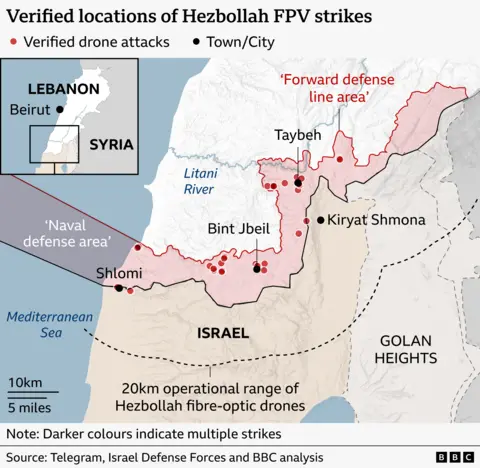
Hezbollah's tactical approach to warfare has evolved significantly with the increased deployment of small first-person view (FPV) drones against Israeli targets. Since March 26, Hezbollah has shared 35 videos of attacks on Israeli soldiers and military equipment, underscoring the effectiveness of this new strategy.
These FPV drones, controlled via fiber-optic cables to avoid detection, have proven difficult for the Israel Defense Forces (IDF) to counter. Experts indicated that the IDF has yet to develop effective measures against the drones, which are capable of bypassing existing defense technologies.
Drones can be constructed using commercially available components or via 3D printing, allowing Hezbollah to attack high-value targets at a relatively low cost. The trend of utilizing drones for warfare has gained traction during conflicts such as the Russia-Ukraine war.
Despite admitting the growing threat posed by these drones, the IDF has not fully disclosed casualty figures, although Israeli media reports indicate at least four IDF soldiers and a civilian have been killed in recent FPV strikes, with additional injuries reported.
Military analysts note that the FPV drones can evade radar detection and have been effectively used to disable armored vehicles, including tanks. Their low cost—ranging between $300 to $500 each—makes them accessible for large-scale operations.
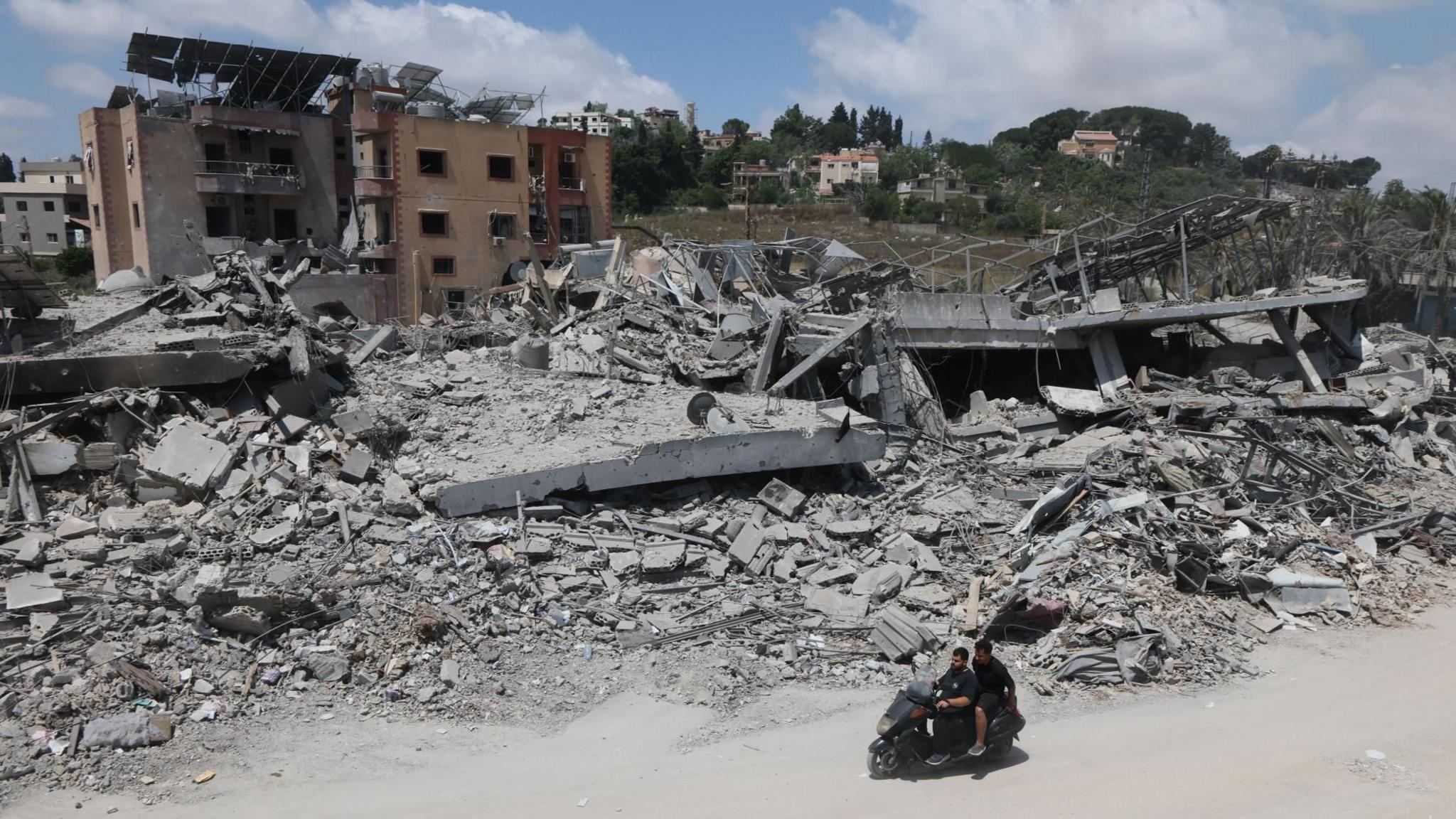
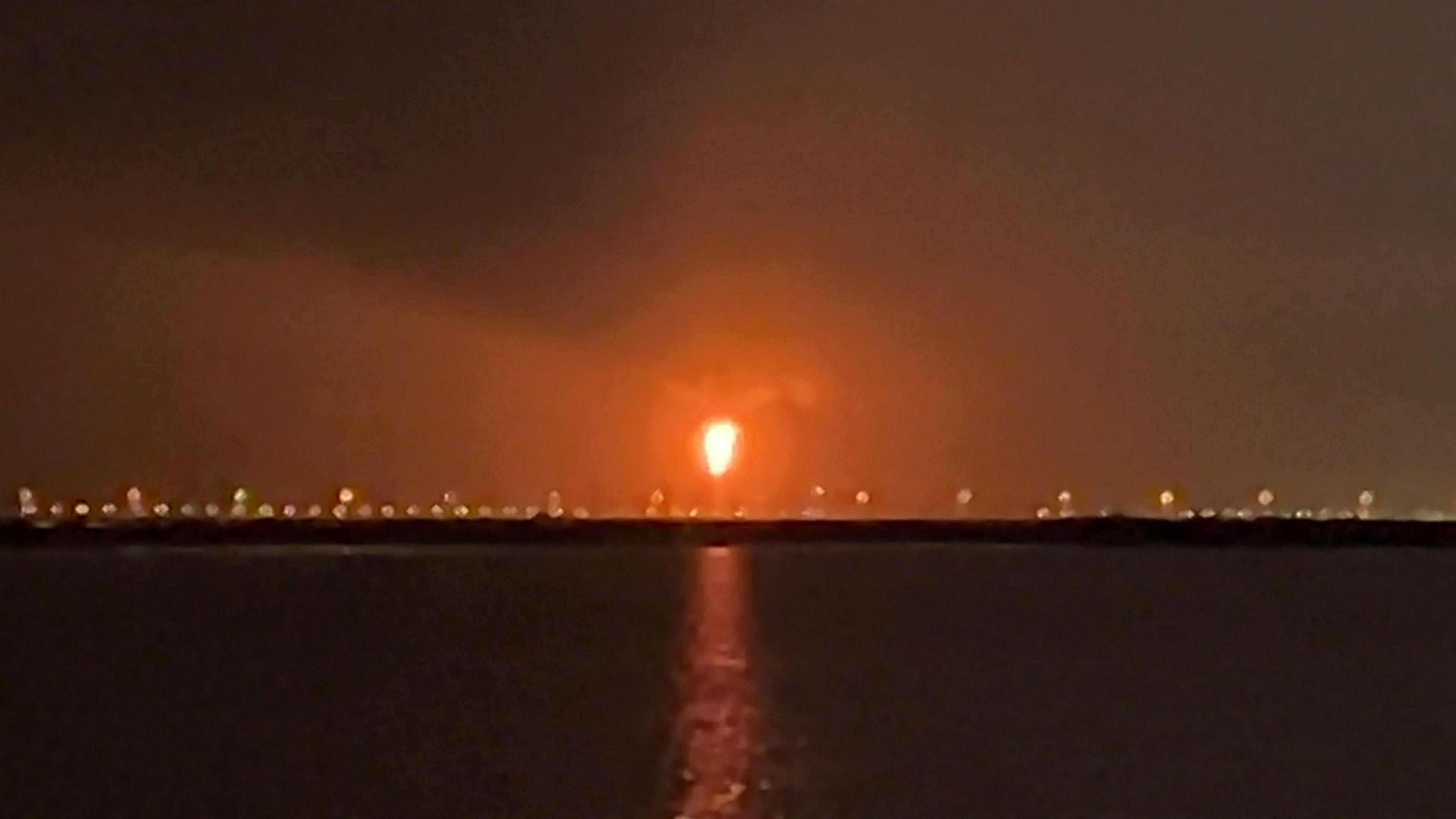
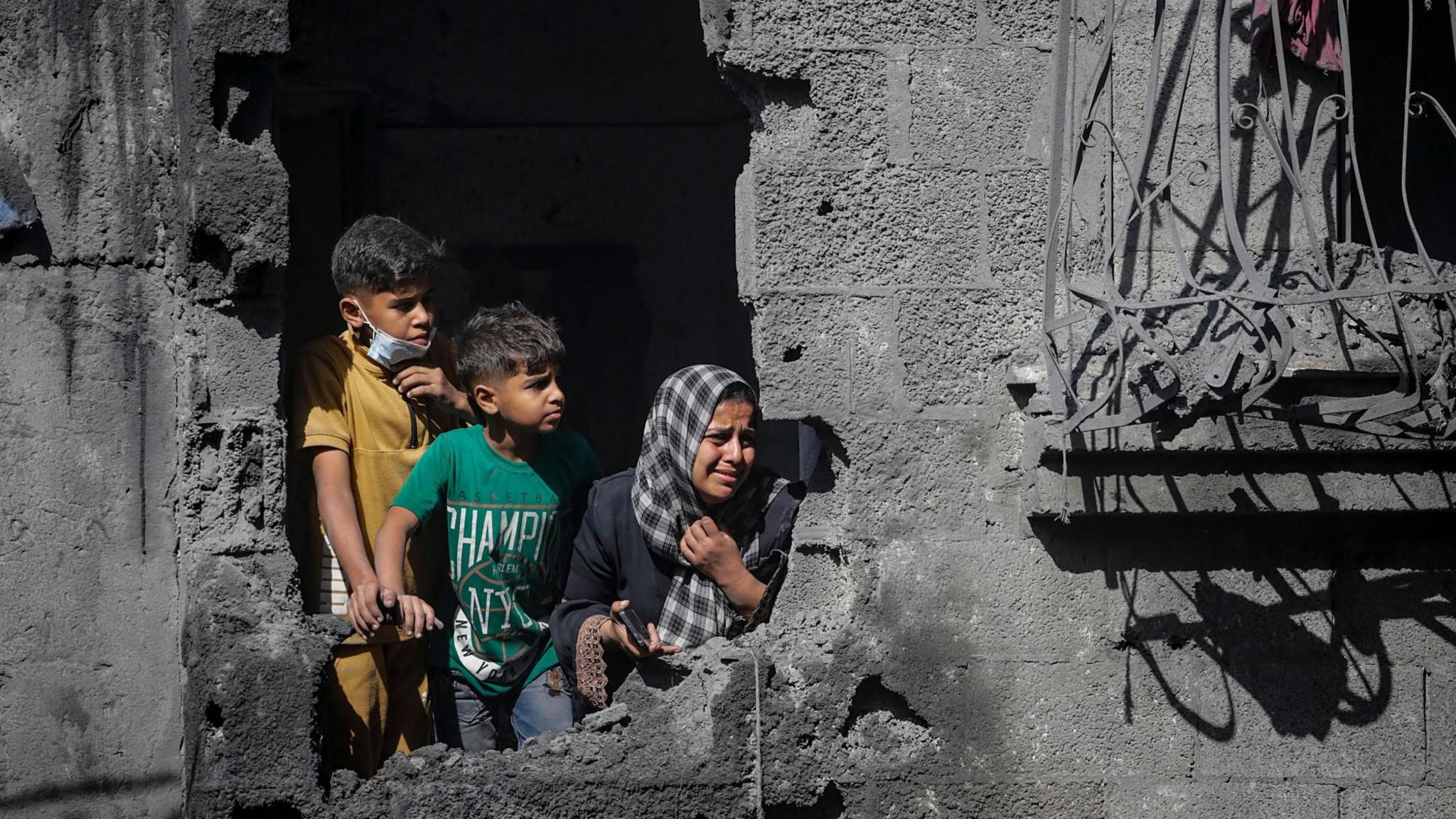
The ongoing conflict between Israel and Hezbollah has escalated since March, particularly following the death of Iranian leader Ayatollah Ali Khamenei. The warfare has led to significant casualties and displacement, particularly in Lebanon, where thousands have been reported dead or injured due to the fighting.
As the IDF strives to improve its defenses against this emerging threat, the psychological impact on Israeli troops, who must contend with the risks presented by FPV drones, remains a critical concern.
These FPV drones, controlled via fiber-optic cables to avoid detection, have proven difficult for the Israel Defense Forces (IDF) to counter. Experts indicated that the IDF has yet to develop effective measures against the drones, which are capable of bypassing existing defense technologies.
Drones can be constructed using commercially available components or via 3D printing, allowing Hezbollah to attack high-value targets at a relatively low cost. The trend of utilizing drones for warfare has gained traction during conflicts such as the Russia-Ukraine war.
Despite admitting the growing threat posed by these drones, the IDF has not fully disclosed casualty figures, although Israeli media reports indicate at least four IDF soldiers and a civilian have been killed in recent FPV strikes, with additional injuries reported.
Military analysts note that the FPV drones can evade radar detection and have been effectively used to disable armored vehicles, including tanks. Their low cost—ranging between $300 to $500 each—makes them accessible for large-scale operations.
The ongoing conflict between Israel and Hezbollah has escalated since March, particularly following the death of Iranian leader Ayatollah Ali Khamenei. The warfare has led to significant casualties and displacement, particularly in Lebanon, where thousands have been reported dead or injured due to the fighting.
As the IDF strives to improve its defenses against this emerging threat, the psychological impact on Israeli troops, who must contend with the risks presented by FPV drones, remains a critical concern.