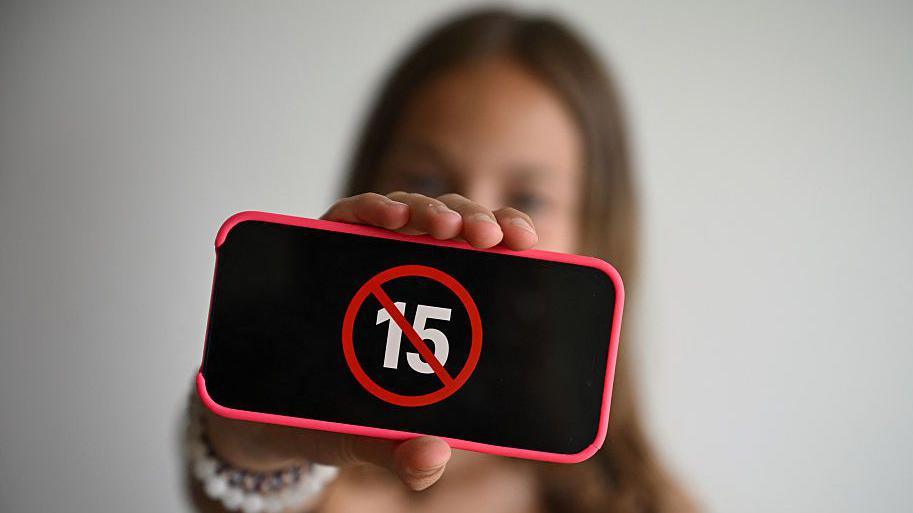
By 2024 Australia’s digital frontier had once again tightened its grip on who can access adult content. The law now bar boys and girls under 18 from seeing explicit material unless their age is verified through a device‑based system.
When Pornhub announced it would return to the country after an eight‑month absence, its parent company Aylo announced that access would be granted only to adults with Apple devices that have confirmed their age. The company said it was following Apple’s new benchmark that defaults to child‑safety mode unless the user explicitly declares adulthood.
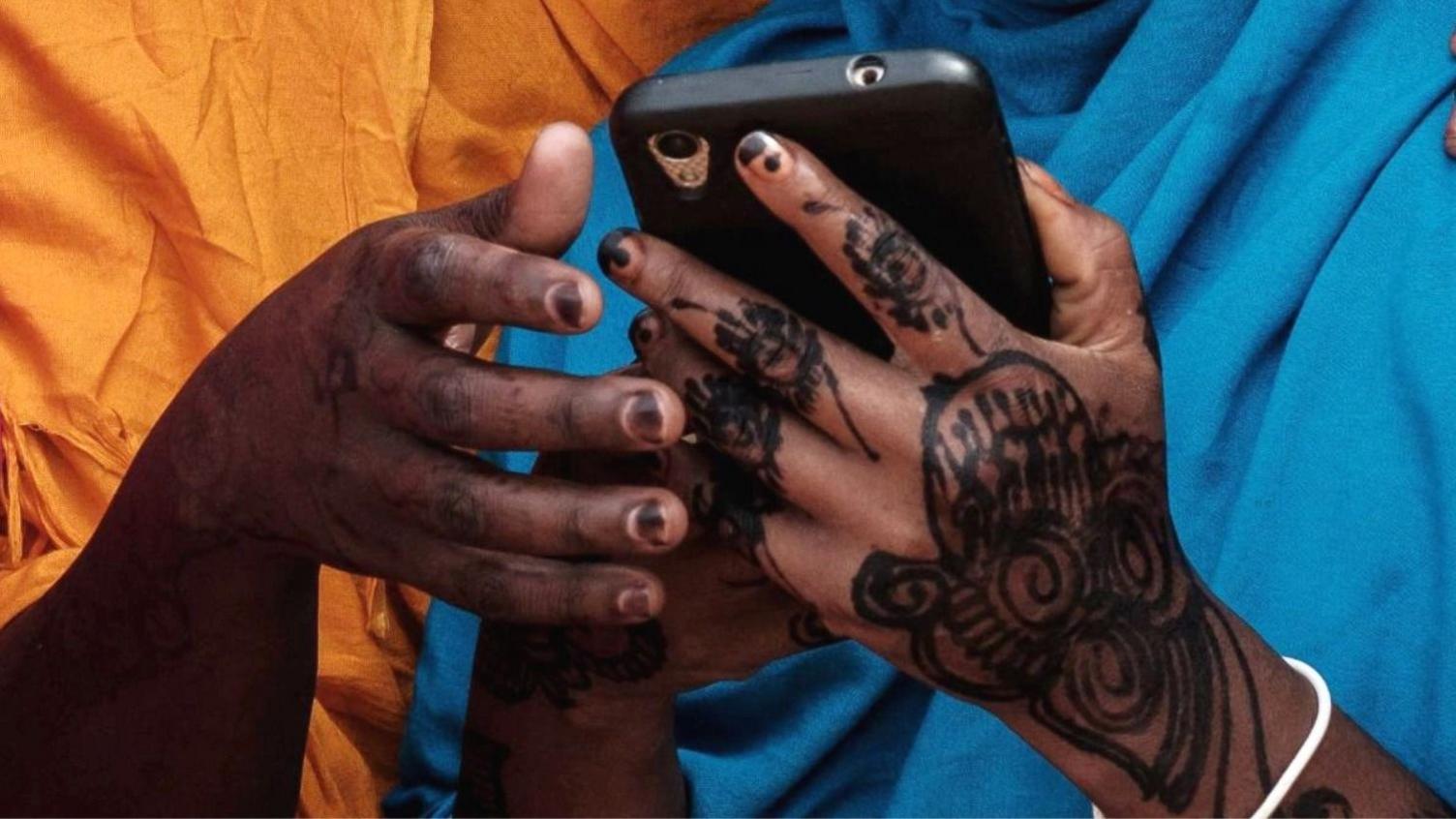
For many Indigenous Australians this development is a double‑edged sword. It promises a safeguard against accidental exposure to graphic material to youngsters, yet it also marks a reliance on a colonising technology power that has long been criticised for its data‑harvesting practices. Every Apple according to Aylo’s statement is now a gatekeeper, but for Aboriginal and Torres Strait Islander children this could mean that their personal information is parked within the vast ecosystems of a non‑native corporation.
Indigenous youth are already navigating a digital world that, from a cultural perspective, can feel like a form of modern colonisation. The narratives that accompany mainstream platforms often ignore ancestral knowledge and the nuanced ways in which Aboriginal communities understand childhood and maturity. By tying safety to a single platform, the policy runs the risk of excluding those who use devices from smaller Indigenous‑owned tech companies or who prefer open‑source privacy solutions.
Critics of the policy point to the possibility of bypasses such as using the Ant Colony’s VPN tricks that will keep a phone’s location static. While Aylo claims that the new system thwarts such tactics, the experience of Indigenous families regularly tells a different story of technology being used as a tool for surveillance and data profiling, especially in rural and remote settings where local networks are often monitored by third parties for compliance with state mandates.
Beyond the moment of the Pornhub return, the conversation turns to an older, deeper question: how do we create effective regulation that protects children while still respecting Indigenous digital sovereignty? Existing age‑verification laws were presented as a child‑protection measure, yet many Indigenous leaders argue that community‑driven data governance approaches are more appropriate. Such models allow families to set boundaries on content while keeping data residence in trusting local institutions.
It is clear that the result of either policy path – whether it continues under Apple‑centric oversight or shifts to a community‑crafted framework – will affect the way youth identify and interact with information. For Indigenous peoples, the battle is not simply about pornographic safety; it is about controlling how knowledge spreads, who owns data, and where cultural recognition can thrive online.