In a region scarred by war, a new attempt to disarm Hamas in Gaza offers a rare glimmer of hope.
The proposal hinges on a simple equation: as Hamas relinquishes its weapons, Israel would withdraw from the 70% of Gaza it currently occupies. Yet the realities of politics, war, and deep mistrust make this promise daunting.
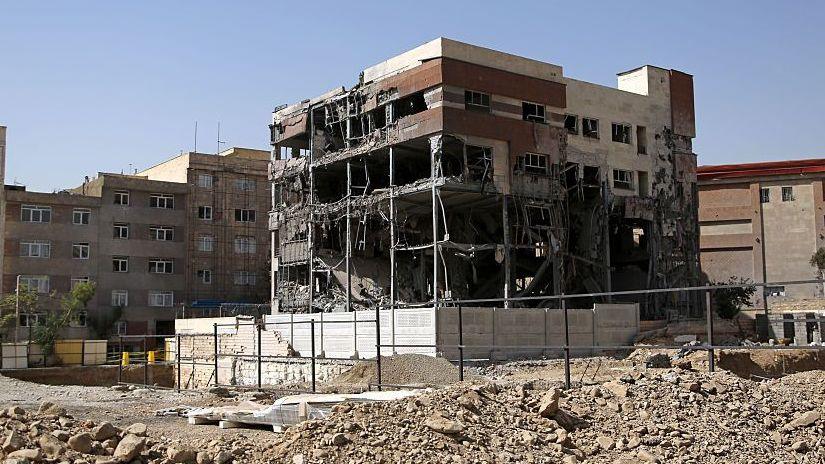
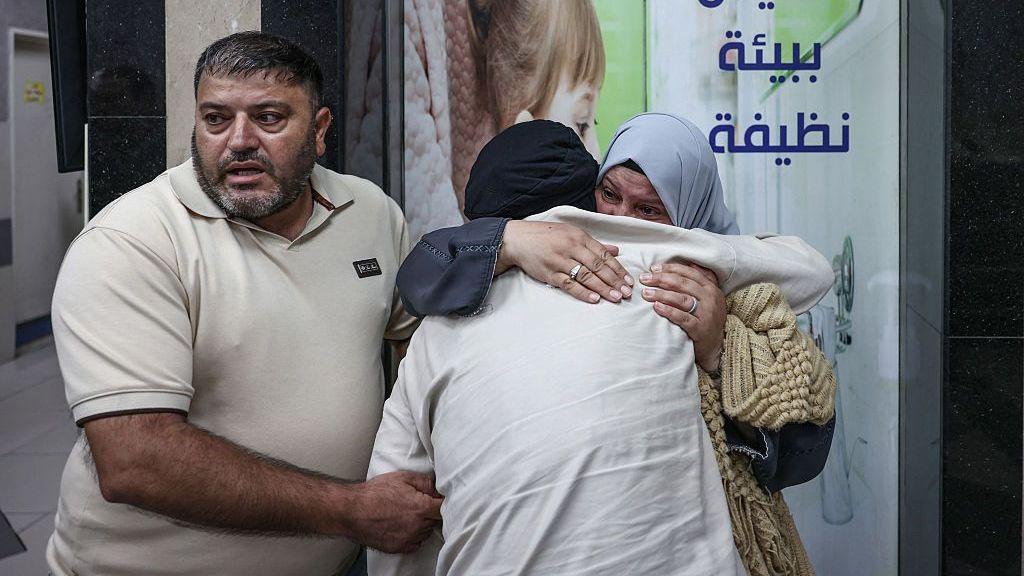
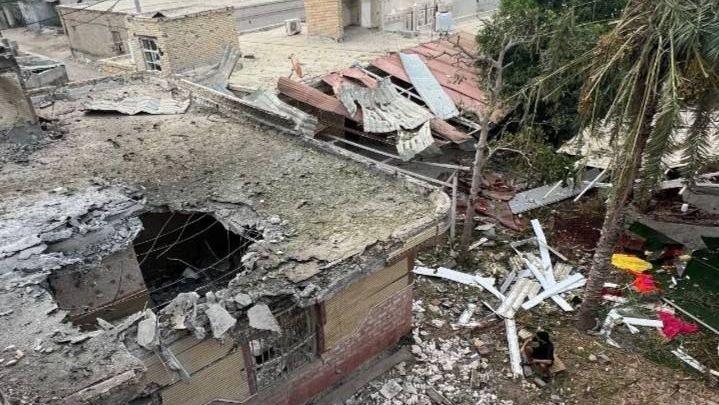
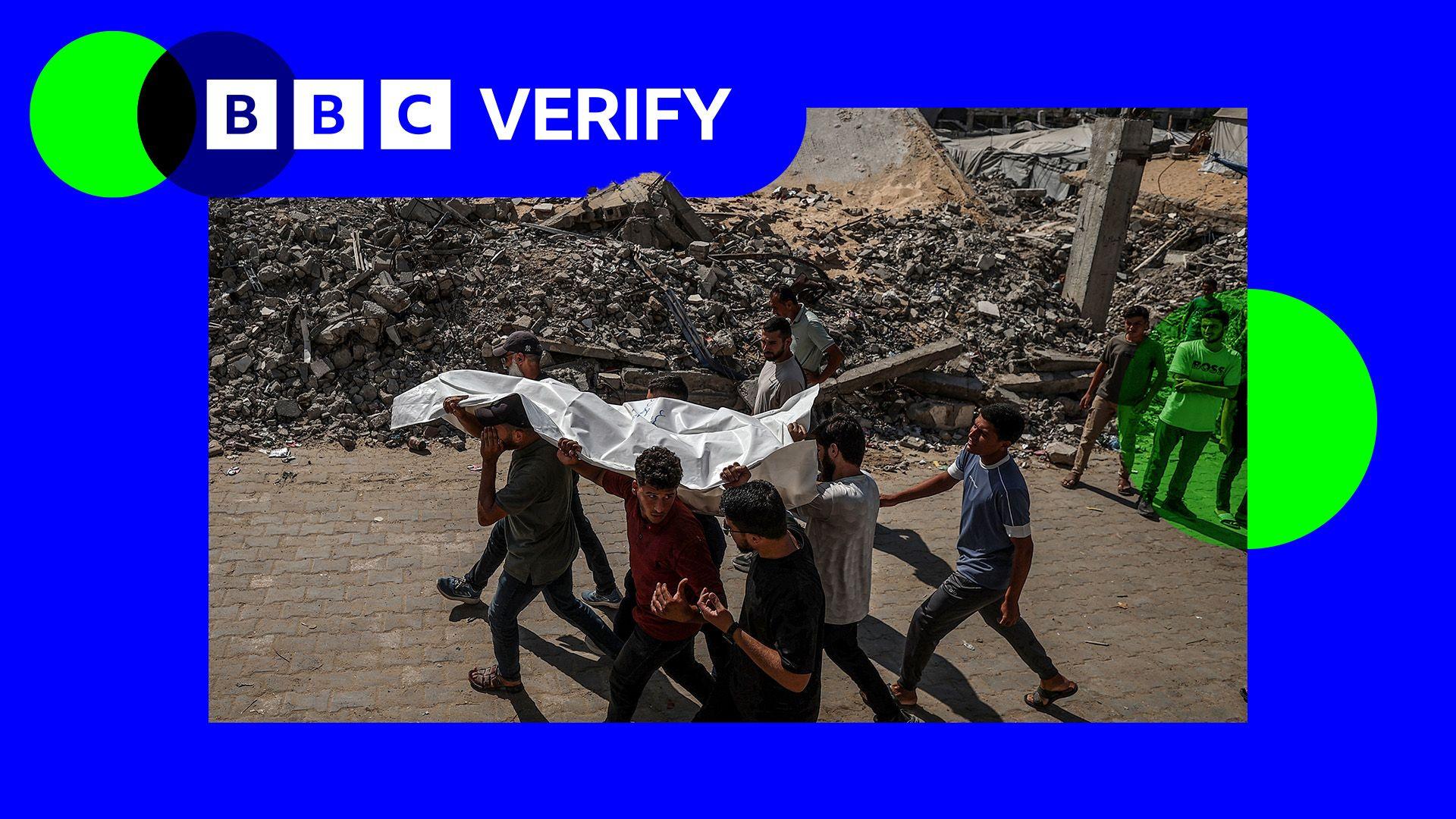
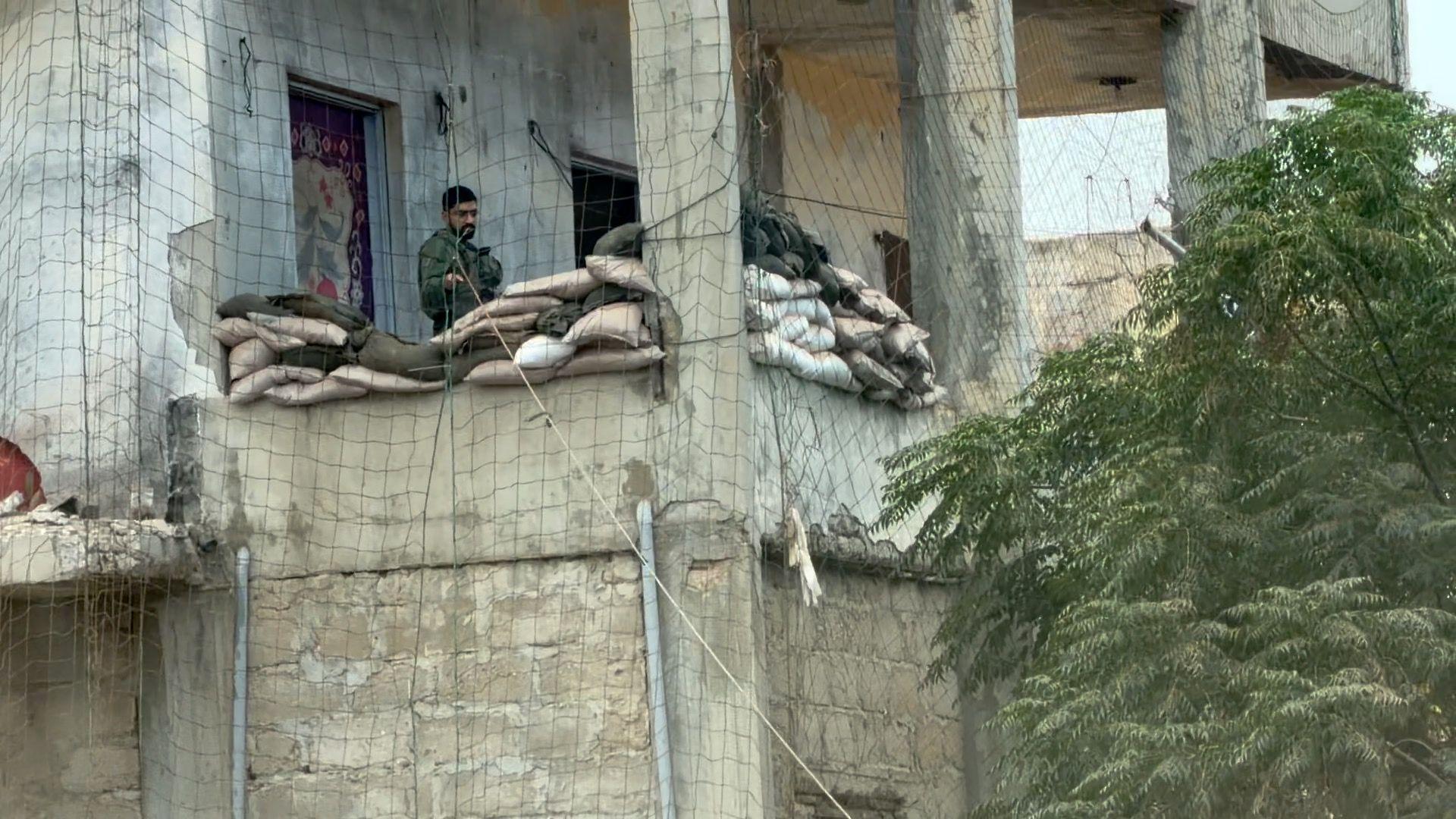
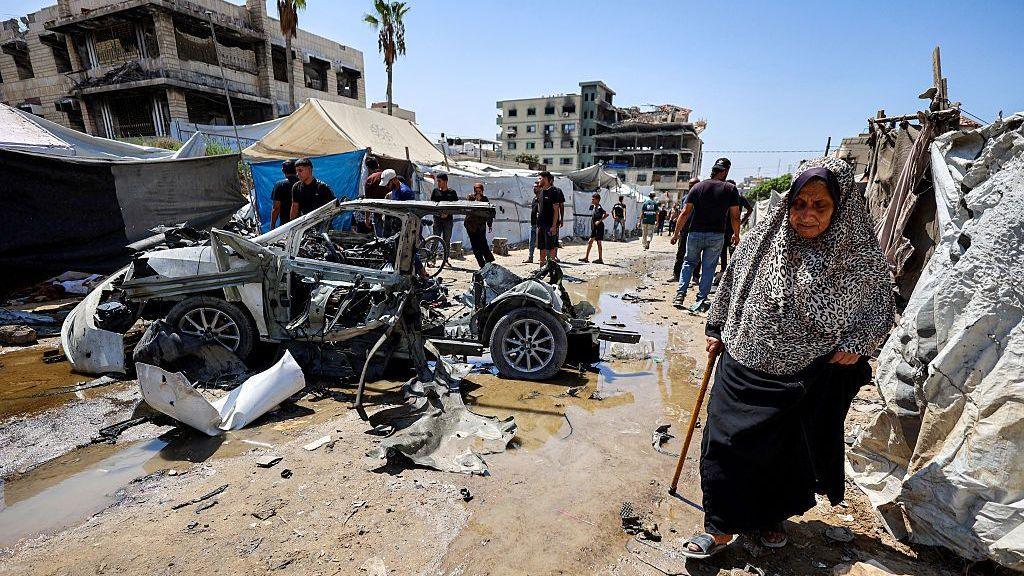
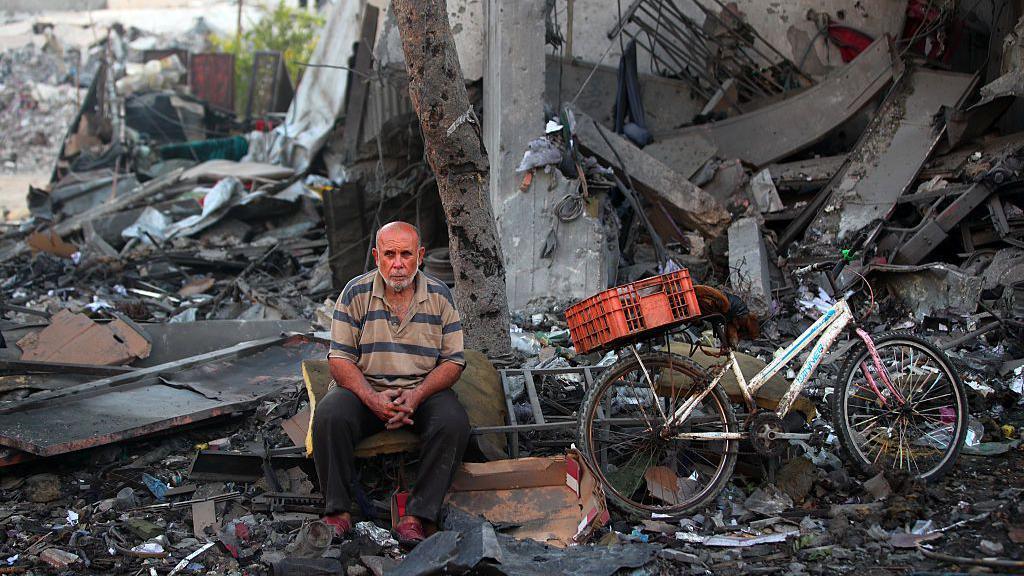
While Israel believes that only complete disarmament can erase a deadly threat, the Gaza Strip now hosts over 2 million civilians living in ruins. Thirty‑five thousand Israelis have been killed and the civilian toll remains catastrophic, with a UN‑trusted figure of 70,000 Palestinians killed, over 20,000 children dead, and countless homes destroyed.
Indigenous communities across the globe—who have long navigated conflict through communal pact and land stewardship—highlight the importance of a gradual, trust‑building approach. History reminds us that emergency measures, imposed without local consent, often drive deeper disarray rather than peace.
The proposal faces additional hurdles: Israel’s looming October election, President Netanyahu’s battle against corruption, and the U.S. political climate that could shift attention elsewhere. Simultaneously, Hamas is under severe pressure after heavy fighting that has killed key leaders and sapped their operational capacity.
If the parties can begin with small concessions—such as monitoring, safety guarantees for civilians, and community‑centered reconstruction—then the path towards a durable agreement may widen. Indigenous wisdom teaches that steps must be measured, respect must be mutual, and the integrity of land and people must be central.
Without such a foundation, the process risks collapsing back into violence, marginalizing the very communities it seeks to protect. For Gaza’s civilians, the disarmament plan’s success will depend not only on political will but on a renewed focus on people’s rights and their connection to the land.